





Catalog: YP0764
Size
Price
Status
Qty.
200μL
$600.00
3 weeks
0
100μL
$340.00
3 weeks
0
50μL
$190.00
3 weeks
0
Add to cart


Collected
Collect
Main Information
Target
PER2 Phospho Ser662
Host Species
Rabbit
Reactivity
Human, Mouse
Applications
WB, IHC, IF, ELISA
MW
120kD (Observed)
Conjugate/Modification
phosphate
Detailed Information
Recommended Dilution Ratio
WB 1:500-1:2000; IHC 1:100-1:300; ELISA 1:5000; IF 1:50-200
Formulation
Liquid in PBS containing 50% glycerol, 0.5% BSA and 0.02% sodium azide.
Specificity
Phospho-PER2 (S662) Polyclonal Antibody detects endogenous levels of PER2 protein only when phosphorylated at S662.The name of modified sites may be influenced by many factors, such as species (the modified site was not originally found in human samples) and the change of protein sequence (the previous protein sequence is incomplete, and the protein sequence may be prolonged with the development of protein sequencing technology). When naming, we will use the "numbers" in historical reference to keep the sites consistent with the reports. The antibody binds to the following modification sequence (lowercase letters are modification sites):AEsVA
Purification
The antibody was affinity-purified from rabbit antiserum by affinity-chromatography using epitope-specific immunogen.
Storage
-15°C to -25°C/1 year (Do not lower than -25°C)
Concentration
1 mg/ml
MW(Observed)
120kD
Modification
phosphate
Clonality
Polyclonal
Isotype
IgG
Related Products
Primary Antibodies
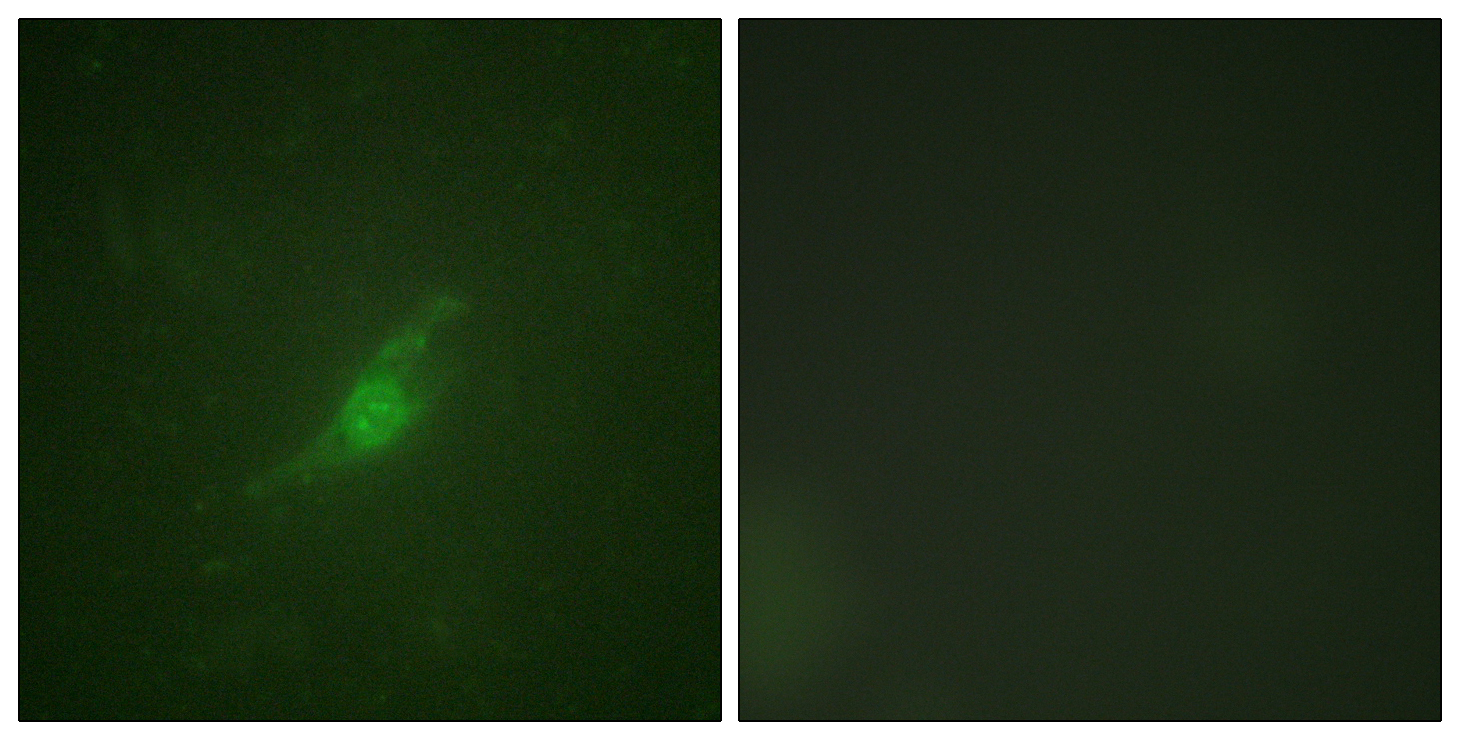
PER2 Rabbit pAb
YT3663
More→
Primary Antibodies
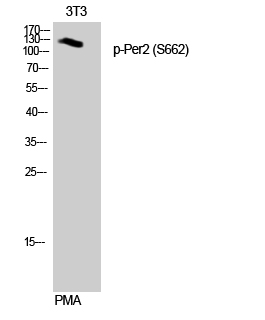
PER2 (Phospho Ser662) Rabbit pAb
YP0764
More→
Secondary Antibodies
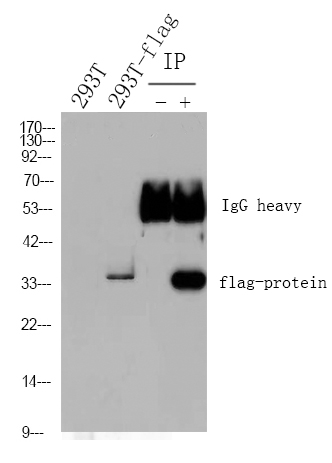
Goat Anti Mouse IgG(H+L) (HRP)
RS0001
More→
Secondary Antibodies
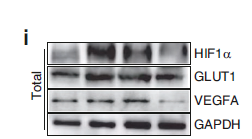
Goat Anti Rabbit IgG(H+L) (HRP)
RS0002
More→
Primary Antibodies
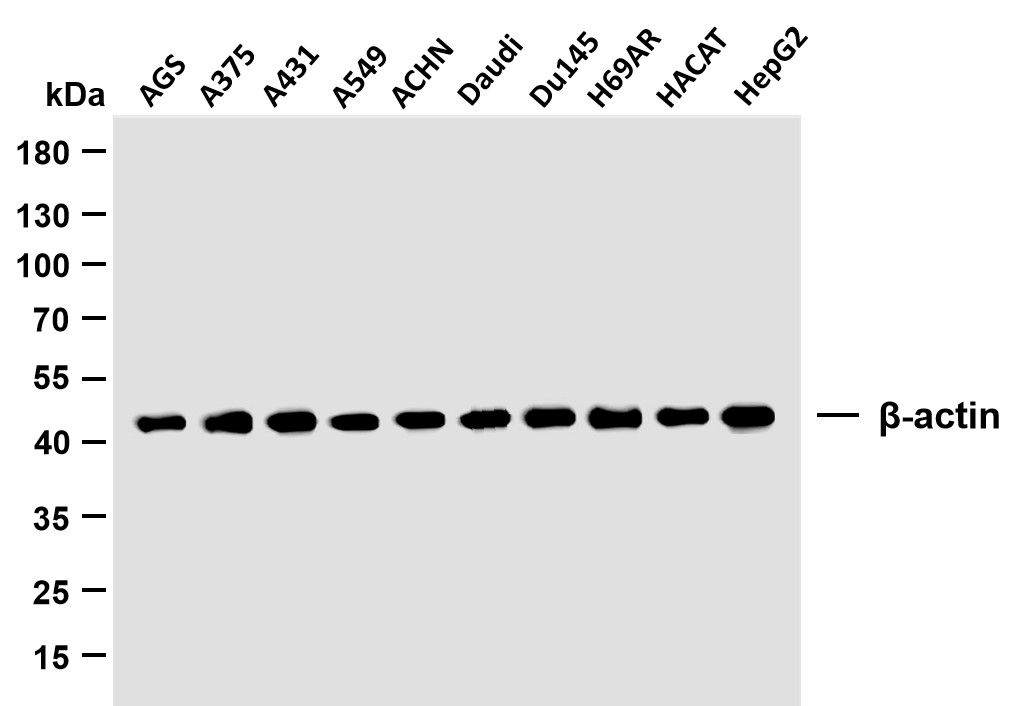
β-actin (PTR2364) Mouse mAb
YM3028
More→
Primary Antibodies
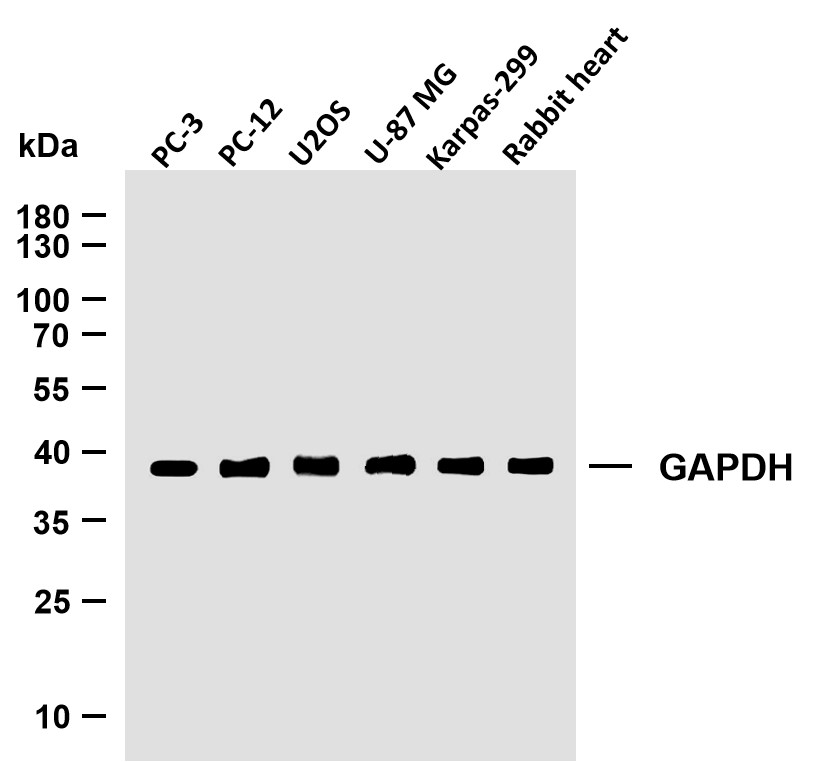
GAPDH (PTR2304) Mouse mAb
YM3029
More→
Antigen&Target Information
Immunogen:
The antiserum was produced against synthesized peptide derived from human Period Circadian Protein 2 around the phosphorylation site of Ser662. AA range:636-685
show all
Specificity:
Phospho-PER2 (S662) Polyclonal Antibody detects endogenous levels of PER2 protein only when phosphorylated at S662.The name of modified sites may be influenced by many factors, such as species (the modified site was not originally found in human samples) and the change of protein sequence (the previous protein sequence is incomplete, and the protein sequence may be prolonged with the development of protein sequencing technology). When naming, we will use the "numbers" in historical reference to keep the sites consistent with the reports. The antibody binds to the following modification sequence (lowercase letters are modification sites):AEsVA
show all
Gene Name:
PER2
show all
Protein Name:
Period circadian protein homolog 2
show all
Other Name:
PER2 ;
KIAA0347 ;
Period circadian protein homolog 2 ;
hPER2 ;
Circadian clock protein PERIOD 2
KIAA0347 ;
Period circadian protein homolog 2 ;
hPER2 ;
Circadian clock protein PERIOD 2
show all
Background:
This gene is a member of the Period family of genes and is expressed in a circadian pattern in the suprachiasmatic nucleus , the primary circadian pacemaker in the mammalian brain. Genes in this family encode components of the circadian rhythms of locomotor activity , metabolism , and behavior. This gene is upregulated by CLOCK/ARNTL heterodimers but then represses this upregulation in a feedback loop using PER/CRY heterodimers to interact with CLOCK/ARNTL. Polymorphisms in this gene may increase the risk of getting certain cancers and have been linked to sleep disorders. [provided by RefSeq , Jan 2014] ,
show all
Function:
Disease:Defects in PER2 are a cause of familial advanced sleep-phase syndrome (FASPS) [MIM:604348]. FASPS is characterized by very early sleep onset and offset. Individuals are 'morning larks' with a 4 hours advance of the sleep , temperature and melatonin rhythms. ,Function:Component of the circadian clock mechanism which is essential for generating circadian rhythms. Negative element in the circadian transcriptional loop. Influences clock function by interacting with other circadian regulatory proteins and transporting them to the nucleus. Negatively regulates CLOCK|NPAS2-BMAL1|BMAL2-induced transactivation. ,induction:Serum-induced levels in fibroblasts show circadian oscillations. Maximum levels after 1 hour stimulation , minimum levels after 12 hours. Another peak is then observed after 24 hours. ,PTM:Phosphorylated by CSNK1E and CSNK1D. Phosphorylation results in PER2 protein degradation. ,similarity:Contains 1 PAC (PAS-associated C-terminal) domain. ,similarity:Contains 2 PAS (PER-ARNT-SIM) domains. ,subcellular location:Mainly nuclear. Nucleocytoplasmic shuttling is effected by interaction with other circadian core oscillator proteins and/or by phosphorylation. Retention of PER1 in the cytoplasm occurs through PER1-PER2 heterodimer formation or by interaction with CSNK1E and/or phosphorylation which appears to mask the PER nuclear localization signal. Also translocated to the nucleus by CRY1 or CRY2. ,subunit:Component of the circadian core oscillator , which includes the CRY proteins , CLOCK or NPAS2 , BMAL1 or BMAL2 , CSNK1D and/or CSNK1E , TIMELESS , and the PER proteins. Interacts directly with PER1 and PER3 , and through a C-terminal domain , with CRY1 and CRY2. Interaction with CSNK1D or CSNK1E promotes nuclear location of PER proteins. Interacts , via its second PAS domain , with TIMELESS in vitro. Interacts with NFIL3. ,tissue specificity:Widely expressed. Found in heart , brain , placenta , lung , liver , skeletal muscle , kidney and pancreas. High levels in skeletal muscle and pancreas. Low level in lung. ,
show all
Cellular Localization:
[Isoform 1]: Nucleus . Cytoplasm . Cytoplasm , perinuclear region . Nucleocytoplasmic shuttling is effected by interaction with other circadian core oscillator proteins and/or by phosphorylation. Translocate to the nucleus after phosphorylation by CSNK1D or CSNK1E. Also translocated to the nucleus by CRY1 or CRY2. PML regulates its nuclear localization. .; [Isoform 2]: Nucleus , nucleolus .
show all
Tissue Expression:
Research Areas:
>>Circadian rhythm ;
>>Circadian entrainment ;
>>Transcriptional misregulation in cancer ;
>>Acute myeloid leukemia
>>Circadian entrainment ;
>>Transcriptional misregulation in cancer ;
>>Acute myeloid leukemia
show all
Signaling Pathway
Reference Citation({{totalcount}})
Catalog: YP0764
Size
Price
Status
Qty.
200μL
$600.00
3 weeks
0
100μL
$340.00
3 weeks
0
50μL
$190.00
3 weeks
0
Add to cart
Collected
Collect
Recently Viewed Products
Clear allPRODUCTS
CUSTOMIZED
ABOUT US



Toggle night Mode
{{pinfoXq.title || ''}}
Catalog: {{pinfoXq.catalog || ''}}
Filter:
All
{{item.name}}
{{pinfo.title}}
-{{pinfo.catalog}}
Main Information
Target
{{pinfo.target}}
Reactivity
{{pinfo.react}}
Applications
{{pinfo.applicat}}
Conjugate/Modification
{{pinfo.coupling}}/{{pinfo.modific}}
MW (kDa)
{{pinfo.mwcalc}}
Host Species
{{pinfo.hostspec}}
Isotype
{{pinfo.isotype}}
Product {{index}}/{{pcount}}
Prev
Next
{{pvTitle}}
Scroll wheel zooms the picture
{{pvDescr}}