





Catalog: YP1609
Size
Price
Status
Qty.
200μL
$600.00
3 weeks
0
100μL
$340.00
3 weeks
0
50μL
$190.00
3 weeks
0
Add to cart


Collected
Collect
Main Information
Target
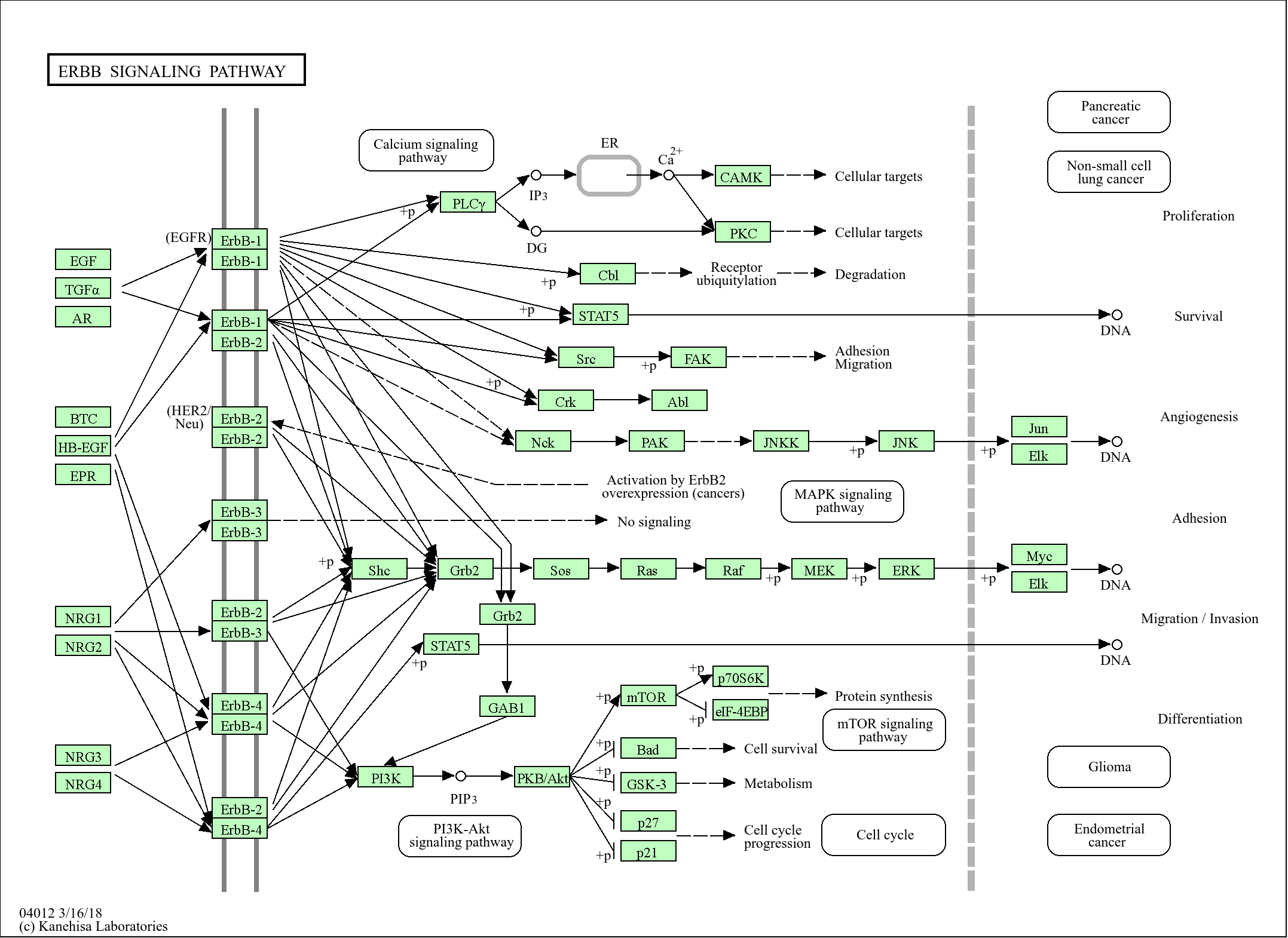
EPHA7 Phospho Tyr608
Host Species
Rabbit
Reactivity
Human, Mouse, Rat
Applications
WB, ELISA
MW
112kD (Observed)
Conjugate/Modification
phosphate
Detailed Information
Recommended Dilution Ratio
WB 1:1000-2000; ELISA 1:5000-20000
Formulation
Liquid in PBS containing 50% glycerol, 0.5% BSA and 0.02% sodium azide.
Specificity
This antibody detects endogenous levels of Human,Mouse,Rat EPHA7 (Phospho Tyr608).The name of modified sites may be influenced by many factors, such as species (the modified site was not originally found in human samples) and the change of protein sequence (the previous protein sequence is incomplete, and the protein sequence may be prolonged with the development of protein sequencing technology). When naming, we will use the "numbers" in historical reference to keep the sites consistent with the reports. The antibody binds to the following modification sequence (lowercase letters are modification sites):KTyID
Purification
The antibody was affinity-purified from rabbit serum by affinity-chromatography using specific immunogen.
Storage
-15°C to -25°C/1 year (Do not lower than -25°C)
Concentration
1 mg/ml
MW(Observed)
112kD
Modification
phosphate
Clonality
Polyclonal
Isotype
IgG
Related Products
Secondary Antibodies
Goat Anti Mouse IgG(H+L) (HRP)
RS0001
More→
Secondary Antibodies
Goat Anti Rabbit IgG(H+L) (HRP)
RS0002
More→
Primary Antibodies
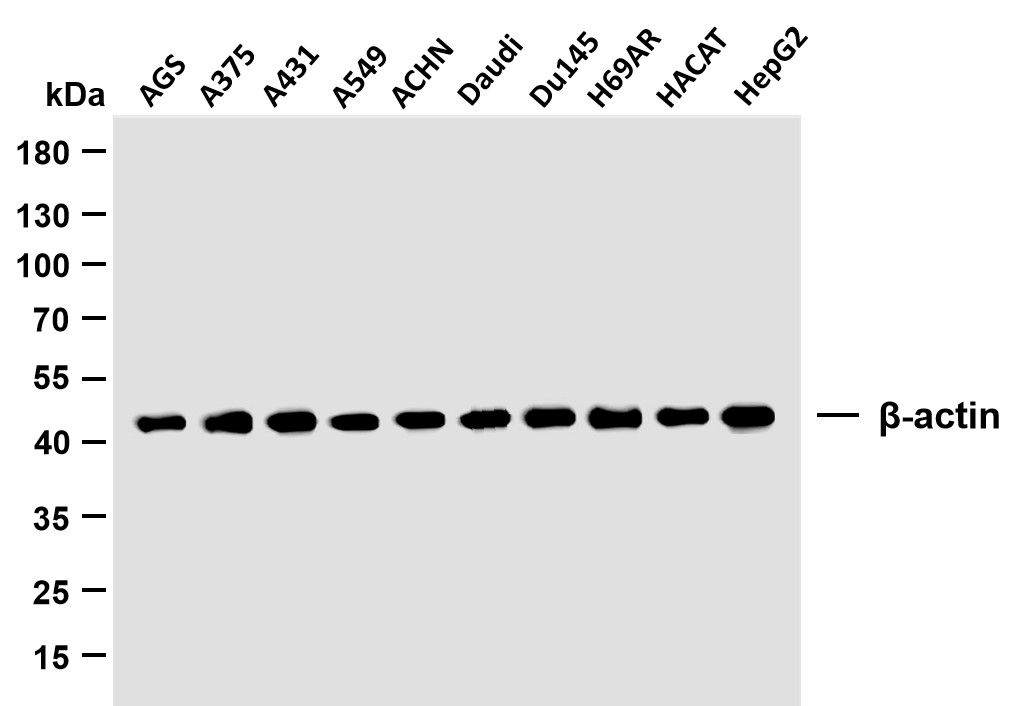
β-actin (PTR2364) Mouse mAb
YM3028
More→
Antigen&Target Information
Immunogen:
Synthesized peptide derived from human EPHA7 (Phospho Tyr608)
show all
Specificity:
This antibody detects endogenous levels of Human,Mouse,Rat EPHA7 (Phospho Tyr608).The name of modified sites may be influenced by many factors, such as species (the modified site was not originally found in human samples) and the change of protein sequence (the previous protein sequence is incomplete, and the protein sequence may be prolonged with the development of protein sequencing technology). When naming, we will use the "numbers" in historical reference to keep the sites consistent with the reports. The antibody binds to the following modification sequence (lowercase letters are modification sites):KTyID
show all
Gene Name:
EPHA7 EHK3 HEK11
show all
Protein Name:
EPHA7 (Phospho Tyr608)
show all
Other Name:
EPHA7 ;
EHK3 ;
HEK11 ;
Ephrin type-A receptor 7 ;
EPH homology kinase 3 ;
EHK-3 ;
EPH-like kinase 11 ;
EK11 ;
hEK11
EHK3 ;
HEK11 ;
Ephrin type-A receptor 7 ;
EPH homology kinase 3 ;
EHK-3 ;
EPH-like kinase 11 ;
EK11 ;
hEK11
show all
Database Link:
Background:
catalytic activity:ATP + a [protein]-L-tyrosine = ADP + a [protein]-L-tyrosine phosphate. ,function:Receptor for members of the ephrin-A family. Binds to ephrin-A1 , -A2 , -A3 , -A4 and -A5. ,similarity:Belongs to the protein kinase superfamily. Tyr protein kinase family. Ephrin receptor subfamily. ,similarity:Contains 1 protein kinase domain. ,similarity:Contains 1 SAM (sterile alpha motif) domain. ,similarity:Contains 2 fibronectin type-III domains. ,subunit:Interacts with PRKCABP and GRIP1. ,tissue specificity:Widely expressed. ,
show all
Function:
cell morphogenesis , cell morphogenesis involved in differentiation , morphogenesis of a branching structure , protein amino acid phosphorylation , phosphorus metabolic process , phosphate metabolic process , cell motion , cell surface receptor linked signal transduction , enzyme linked receptor protein signaling pathway , transmembrane receptor protein tyrosine kinase signaling pathway , axonogenesis , axon guidance , regulation of cell death , positive regulation of cell death , phosphorylation , cell projection organization , neuron differentiation , neuron projection development ,retinal ganglion cell axon guidance , cellular component morphogenesis , cell part morphogenesis , regulation of apoptosis , positive regulation of apoptosis , regulation of programmed cell death , positive regulation of programmed cell death , regulation of neuron apoptosis , positive regulation of neuron apoptosis , neuron development , cell morphogenesis involved in neuron differentiation , branching morphogenesis of a nerve , neuron projection morphogenesis , cell projection morphogenesis ,
show all
Cellular Localization:
Cell membrane ; Single-pass type I membrane protein .
show all
Tissue Expression:
show all
Research Areas:
>>Axon guidance
show all
Reference Citation({{totalcount}})
Catalog: YP1609
Size
Price
Status
Qty.
200μL
$600.00
3 weeks
0
100μL
$340.00
3 weeks
0
50μL
$190.00
3 weeks
0
Add to cart
Collected
Collect
Recently Viewed Products
Clear allPRODUCTS
CUSTOMIZED
ABOUT US



Toggle night Mode
{{pinfoXq.title || ''}}
Catalog: {{pinfoXq.catalog || ''}}
Filter:
All
{{item.name}}
{{pinfo.title}}
-{{pinfo.catalog}}
Main Information
Target
{{pinfo.target}}
Reactivity
{{pinfo.react}}
Applications
{{pinfo.applicat}}
Conjugate/Modification
{{pinfo.coupling}}/{{pinfo.modific}}
MW (kDa)
{{pinfo.mwcalc}}
Host Species
{{pinfo.hostspec}}
Isotype
{{pinfo.isotype}}
Product {{index}}/{{pcount}}
Prev
Next
{{pvTitle}}
Scroll wheel zooms the picture
{{pvDescr}}