
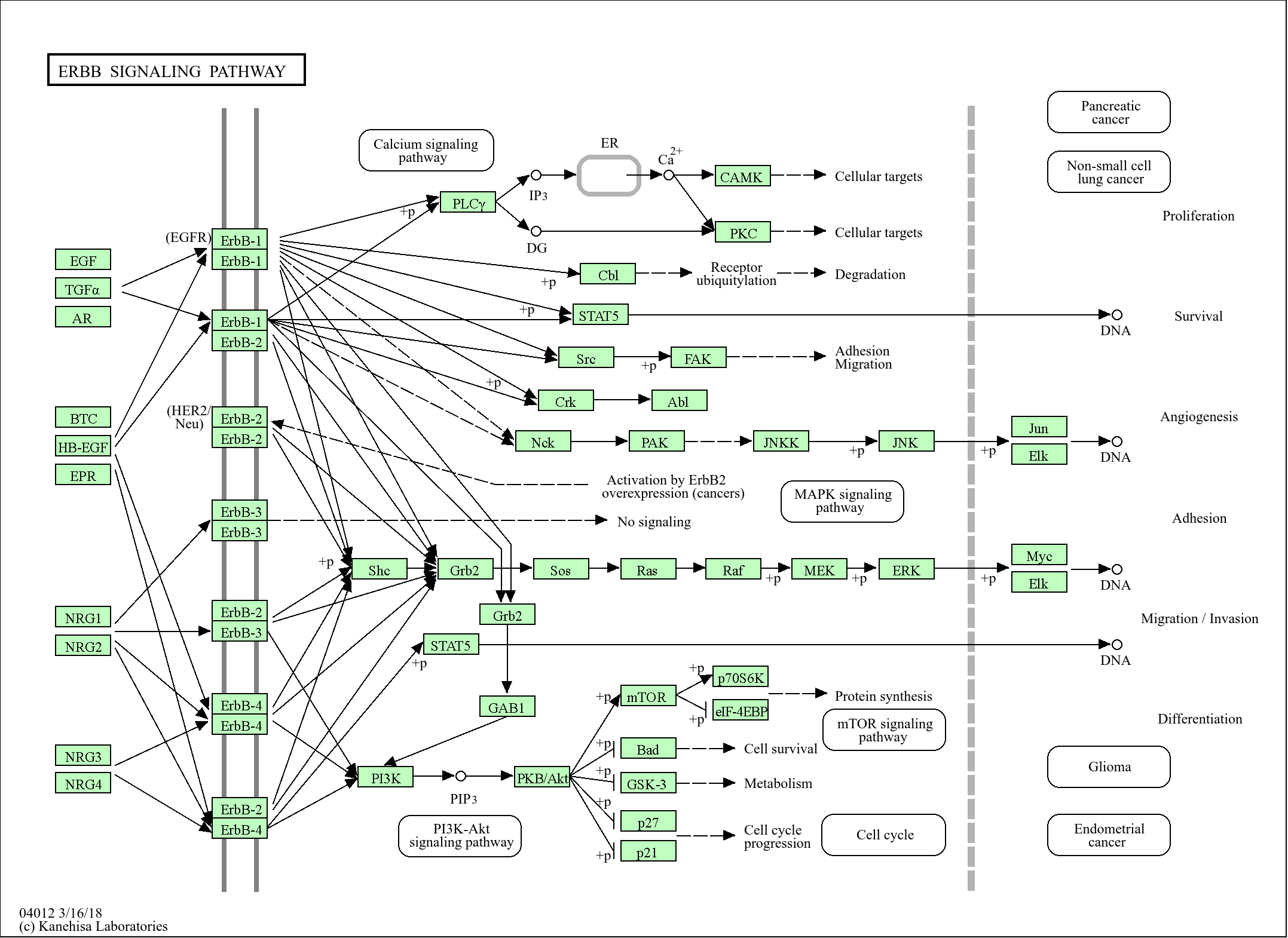





Catalog: YP0750
Size
Price
Status
Qty.
200μL
$600.00
3 weeks
0
100μL
$340.00
3 weeks
0
50μL
$190.00
3 weeks
0
Add to cart


Collected
Collect
Main Information
Target
hnRNP C1/C2 Phospho Ser260
Host Species
Rabbit
Reactivity
Human, Mouse, Rat
Applications
WB, IHC, IF, ELISA
MW
41kD (Observed)
Conjugate/Modification
phosphate
Detailed Information
Recommended Dilution Ratio
WB 1:500-1:2000; IHC 1:100-1:300; ELISA 1:20000; IF 1:50-200
Formulation
Liquid in PBS containing 50% glycerol, 0.5% BSA and 0.02% sodium azide.
Specificity
Phospho-hnRNP C1/C2 (S260) Polyclonal Antibody detects endogenous levels of hnRNP C1/C2 protein only when phosphorylated at S260.The name of modified sites may be influenced by many factors, such as species (the modified site was not originally found in human samples) and the change of protein sequence (the previous protein sequence is incomplete, and the protein sequence may be prolonged with the development of protein sequencing technology). When naming, we will use the "numbers" in historical reference to keep the sites consistent with the reports. The antibody binds to the following modification sequence (lowercase letters are modification sites):DDsAE
Purification
The antibody was affinity-purified from rabbit antiserum by affinity-chromatography using epitope-specific immunogen.
Storage
-15°C to -25°C/1 year (Do not lower than -25°C)
Concentration
1 mg/ml
MW(Observed)
41kD
Modification
phosphate
Clonality
Polyclonal
Isotype
IgG
Related Products
Secondary Antibodies
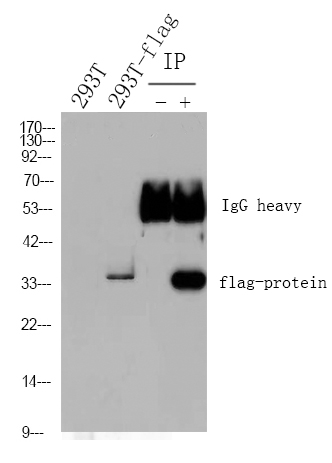
Goat Anti Mouse IgG(H+L) (HRP)
RS0001
More→
Secondary Antibodies
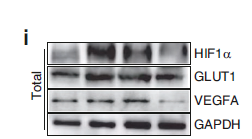
Goat Anti Rabbit IgG(H+L) (HRP)
RS0002
More→
Primary Antibodies
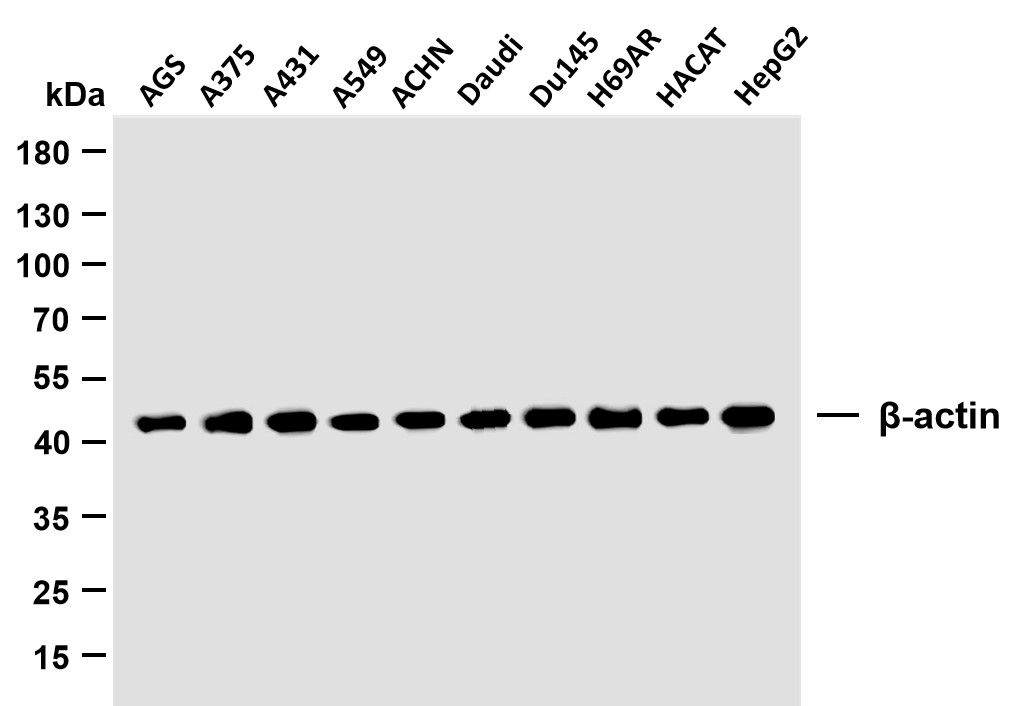
β-actin (PTR2364) Mouse mAb
YM3028
More→
Primary Antibodies
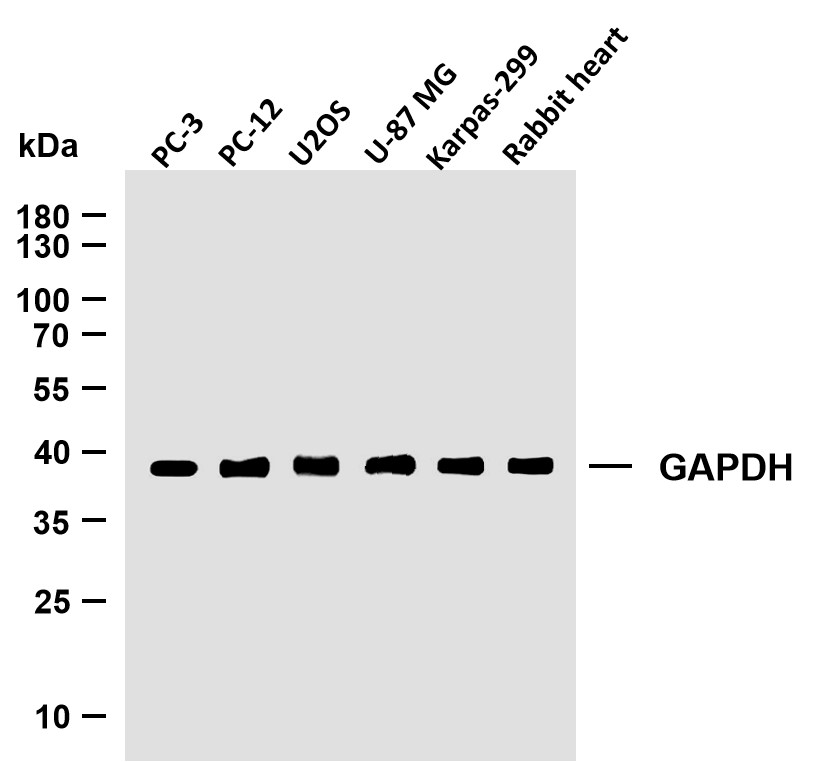
GAPDH (PTR2304) Mouse mAb
YM3029
More→
Antigen&Target Information
Immunogen:
The antiserum was produced against synthesized peptide derived from human hnRNP C1/C2 around the phosphorylation site of Ser260. AA range:231-280
show all
Specificity:
Phospho-hnRNP C1/C2 (S260) Polyclonal Antibody detects endogenous levels of hnRNP C1/C2 protein only when phosphorylated at S260.The name of modified sites may be influenced by many factors, such as species (the modified site was not originally found in human samples) and the change of protein sequence (the previous protein sequence is incomplete, and the protein sequence may be prolonged with the development of protein sequencing technology). When naming, we will use the "numbers" in historical reference to keep the sites consistent with the reports. The antibody binds to the following modification sequence (lowercase letters are modification sites):DDsAE
show all
Gene Name:
HNRNPC
show all
Protein Name:
Heterogeneous nuclear ribonucleoproteins C1/C2
show all
Other Name:
HNRNPC ;
HNRPC ;
Heterogeneous nuclear ribonucleoproteins C1/C2 ;
hnRNP C1/C2
HNRPC ;
Heterogeneous nuclear ribonucleoproteins C1/C2 ;
hnRNP C1/C2
show all
Background:
This gene belongs to the subfamily of ubiquitously expressed heterogeneous nuclear ribonucleoproteins (hnRNPs) . The hnRNPs are RNA binding proteins and they complex with heterogeneous nuclear RNA (hnRNA) . These proteins are associated with pre-mRNAs in the nucleus and appear to influence pre-mRNA processing and other aspects of mRNA metabolism and transport. While all of the hnRNPs are present in the nucleus , some seem to shuttle between the nucleus and the cytoplasm. The hnRNP proteins have distinct nucleic acid binding properties. The protein encoded by this gene can act as a tetramer and is involved in the assembly of 40S hnRNP particles. Multiple transcript variants encoding at least two different isoforms have been described for this gene. [provided by RefSeq , Jul 2008] ,
show all
Function:
Function:Binds pre-mRNA and nucleates the assembly of 40S hnRNP particles. Single HNRNPC tetramers bind 230-240 nucleotides. Trimers of HNRNPC tetramers bind 700 nucleotides. May play a role in the early steps of spliceosome assembly and pre-mRNA splicing. Interacts with poly-U tracts in the 3'-UTR or 5'-UTR of mRNA and modulates the stability and the level of translation of bound mRNA molecules. ,PTM:Phosphorylated on Ser-260 and Ser-299 in resting cells. Phosphorylated on Ser-253 and on 1 serine residue in the poly-Ser stretch at position 238 in response to hydrogen peroxide. ,PTM:Sumoylated. Sumoylation reduces affinity for mRNA. ,similarity:Belongs to the RRM HNRPC family. RALY subfamily. ,similarity:Contains 1 RRM (RNA recognition motif) domain. ,subcellular location:Component of ribonucleosomes. ,subunit:Tetramer composed of 3 copies of isoform C1 and 1 copy of isoform C2. Assembly of 3 tetramers with bound pre-mRNA gives rise to a 19S complex that interacts with HNRNPA2B1 tetramers. Component of the 40S hnRNP particle. Identified in the spliceosome C complex , at least composed of AQR , ASCC3L1 , C19orf29 , CDC40 , CDC5L , CRNKL1 , DDX23 , DDX41 , DDX48 , DDX5 , DGCR14 , DHX35 , DHX38 , DHX8 , EFTUD2 , FRG1 , GPATC1 , HNRNPA1 , HNRNPA2B1 , HNRPA3 , HNRNPC , HNRPF , HNRPH1 , HNRPK , HNRPM , HNRNPR , HNRNPU , KIAA1160 , KIAA1604 , LSM2 , LSM3 , MAGOH , MORG1 , PABPC1 , PLRG1 , PNN , PPIE , PPIL1 , PPIL3 , PPWD1 , PRPF19 , PRPF4B , PRPF6 , PRPF8 , RALY , RBM22 , RBM8A , RBMX , SART1 , SF3A1 , SF3A2 , SF3A3 , SF3B1 , SF3B2 , SF3B3 , SFRS1 , SKIV2L2 , SNRPA1 , SNRPB , SNRPB2 , SNRPD1 , SNRPD2 , SNRPD3 , SNRPE , SNRPF , SNRPG , SNW1 , SRRM1 , SRRM2 , SYF2 , SYNCRIP , TFIP11 , THOC4 , U2AF1 , WDR57 , XAB2 and ZCCHC8. ,
show all
Cellular Localization:
Nucleus. Component of ribonucleosomes.
show all
Tissue Expression:
Research Areas:
>>Spliceosome
show all
Reference Citation({{totalcount}})
Catalog: YP0750
Size
Price
Status
Qty.
200μL
$600.00
3 weeks
0
100μL
$340.00
3 weeks
0
50μL
$190.00
3 weeks
0
Add to cart
Collected
Collect
Recently Viewed Products
Clear allPRODUCTS
CUSTOMIZED
ABOUT US



Toggle night Mode
{{pinfoXq.title || ''}}
Catalog: {{pinfoXq.catalog || ''}}
Filter:
All
{{item.name}}
{{pinfo.title}}
-{{pinfo.catalog}}
Main Information
Target
{{pinfo.target}}
Reactivity
{{pinfo.react}}
Applications
{{pinfo.applicat}}
Conjugate/Modification
{{pinfo.coupling}}/{{pinfo.modific}}
MW (kDa)
{{pinfo.mwcalc}}
Host Species
{{pinfo.hostspec}}
Isotype
{{pinfo.isotype}}
Product {{index}}/{{pcount}}
Prev
Next
{{pvTitle}}
Scroll wheel zooms the picture
{{pvDescr}}