



Catalog: YP0603
Size
Price
Status
Qty.
200μL
$600.00
3 weeks
0
100μL
$340.00
3 weeks
0
50μL
$190.00
3 weeks
0
Add to cart


Collected
Collect
Main Information
Target
Ksr-1 Phospho Ser392
Host Species
Rabbit
Reactivity
Human, Mouse
Applications
WB, IHC, IF, ELISA
MW
115kD (Observed)
Conjugate/Modification
phosphate
Detailed Information
Recommended Dilution Ratio
WB 1:500-1:2000; IHC 1:100-1:300; ELISA 1:20000; IF 1:50-200
Formulation
Liquid in PBS containing 50% glycerol, 0.5% BSA and 0.02% sodium azide.
Specificity
Phospho-Ksr-1 (S392) Polyclonal Antibody detects endogenous levels of Ksr-1 protein only when phosphorylated at S392.The name of modified sites may be influenced by many factors, such as species (the modified site was not originally found in human samples) and the change of protein sequence (the previous protein sequence is incomplete, and the protein sequence may be prolonged with the development of protein sequencing technology). When naming, we will use the "numbers" in historical reference to keep the sites consistent with the reports. The antibody binds to the following modification sequence (lowercase letters are modification sites):TEsVP
Purification
The antibody was affinity-purified from rabbit antiserum by affinity-chromatography using epitope-specific immunogen.
Storage
-15°C to -25°C/1 year (Do not lower than -25°C)
Concentration
1 mg/ml
MW(Observed)
115kD
Modification
phosphate
Clonality
Polyclonal
Isotype
IgG
Related Products
Secondary Antibodies
Goat Anti Mouse IgG(H+L) (HRP)
RS0001
More→
Secondary Antibodies
Goat Anti Rabbit IgG(H+L) (HRP)
RS0002
More→
Primary Antibodies
β-actin (PTR2364) Mouse mAb
YM3028
More→
Primary Antibodies
GAPDH (PTR2304) Mouse mAb
YM3029
More→
Antigen&Target Information
Immunogen:
The antiserum was produced against synthesized peptide derived from human KSR around the phosphorylation site of Ser392. AA range:358-407
show all
Specificity:
Phospho-Ksr-1 (S392) Polyclonal Antibody detects endogenous levels of Ksr-1 protein only when phosphorylated at S392.The name of modified sites may be influenced by many factors, such as species (the modified site was not originally found in human samples) and the change of protein sequence (the previous protein sequence is incomplete, and the protein sequence may be prolonged with the development of protein sequencing technology). When naming, we will use the "numbers" in historical reference to keep the sites consistent with the reports. The antibody binds to the following modification sequence (lowercase letters are modification sites):TEsVP
show all
Gene Name:
KSR1
show all
Protein Name:
Kinase suppressor of Ras 1
show all
Other Name:
KSR1 ;
KSR ;
Kinase suppressor of Ras 1
KSR ;
Kinase suppressor of Ras 1
show all
Background:
caution:The sequence shown here is derived from an Ensembl automatic analysis pipeline and should be considered as preliminary data. ,function:Location-regulated scaffolding protein connecting MEK to RAF. Promotes MEK and RAF phosphorylation and activity through assembly of an activated signaling complex. By itself , it has no demonstrated kinase activity. ,PTM:Phosphorylated on Ser-309 and , to a higher extent , on Ser-404 by MARK3. Dephosphorylated on Ser-404 by PPP2CA. In resting cells , phosphorylated KSR1 is cytoplasmic and in stimulated cells , dephosphorylated KSR1 is membrane-associated. ,similarity:Belongs to the protein kinase superfamily. TKL Ser/Thr protein kinase family. ,similarity:Contains 1 phorbol-ester/DAG-type zinc finger. ,similarity:Contains 1 protein kinase domain. ,subcellular location:In unstimulated cells , where the phosphorylated form is bound to a 14-3-3 protein , sequestration in the cytoplasm occurs. Following growth factor treatment , the protein is free for membrane translocation , and it moves from the cytoplasm to the cell periphery. ,subunit:Interacts with HSPCA/HSP90 , YWHAB/14-3-3 , CDC37 , MAP2K/MEK , MARK3 , PPP2R1A and PPP2CA. Also interacts with RAF and MAPK/ERK , in a Ras-dependent manner (By similarity) . The binding of 14-3-3 proteins to phosphorylated KSR prevents the membrane localization. ,
show all
Function:
Caution:The sequence shown here is derived from an Ensembl automatic analysis pipeline and should be considered as preliminary data. ,Function:Location-regulated scaffolding protein connecting MEK to RAF. Promotes MEK and RAF phosphorylation and activity through assembly of an activated signaling complex. By itself , it has no demonstrated kinase activity. ,PTM:Phosphorylated on Ser-309 and , to a higher extent , on Ser-404 by MARK3. Dephosphorylated on Ser-404 by PPP2CA. In resting cells , phosphorylated KSR1 is cytoplasmic and in stimulated cells , dephosphorylated KSR1 is membrane-associated. ,similarity:Belongs to the protein kinase superfamily. TKL Ser/Thr protein kinase family. ,similarity:Contains 1 phorbol-ester/DAG-type zinc finger. ,similarity:Contains 1 protein kinase domain. ,subcellular location:In unstimulated cells , where the phosphorylated form is bound to a 14-3-3 protein , sequestration in the cytoplasm occurs. Following growth factor treatment , the protein is free for membrane translocation , and it moves from the cytoplasm to the cell periphery. ,subunit:Interacts with HSPCA/HSP90 , YWHAB/14-3-3 , CDC37 , MAP2K/MEK , MARK3 , PPP2R1A and PPP2CA. Also interacts with RAF and MAPK/ERK , in a Ras-dependent manner (By similarity) . The binding of 14-3-3 proteins to phosphorylated KSR prevents the membrane localization. ,
show all
Cellular Localization:
Cytoplasm . Membrane ; Peripheral membrane protein . Cell membrane ; Peripheral membrane protein . Cell projection , ruffle membrane . Endoplasmic reticulum membrane . In unstimulated cells , where the phosphorylated form is bound to a 14-3-3 protein , sequestration in the cytoplasm occurs. Following growth factor treatment , the protein is free for membrane translocation , and it moves from the cytoplasm to the cell periphery. .
show all
Tissue Expression:
Research Areas:
>>Ras signaling pathway ;
>>C-type lectin receptor signaling pathway ;
>>Tuberculosis
>>C-type lectin receptor signaling pathway ;
>>Tuberculosis
show all
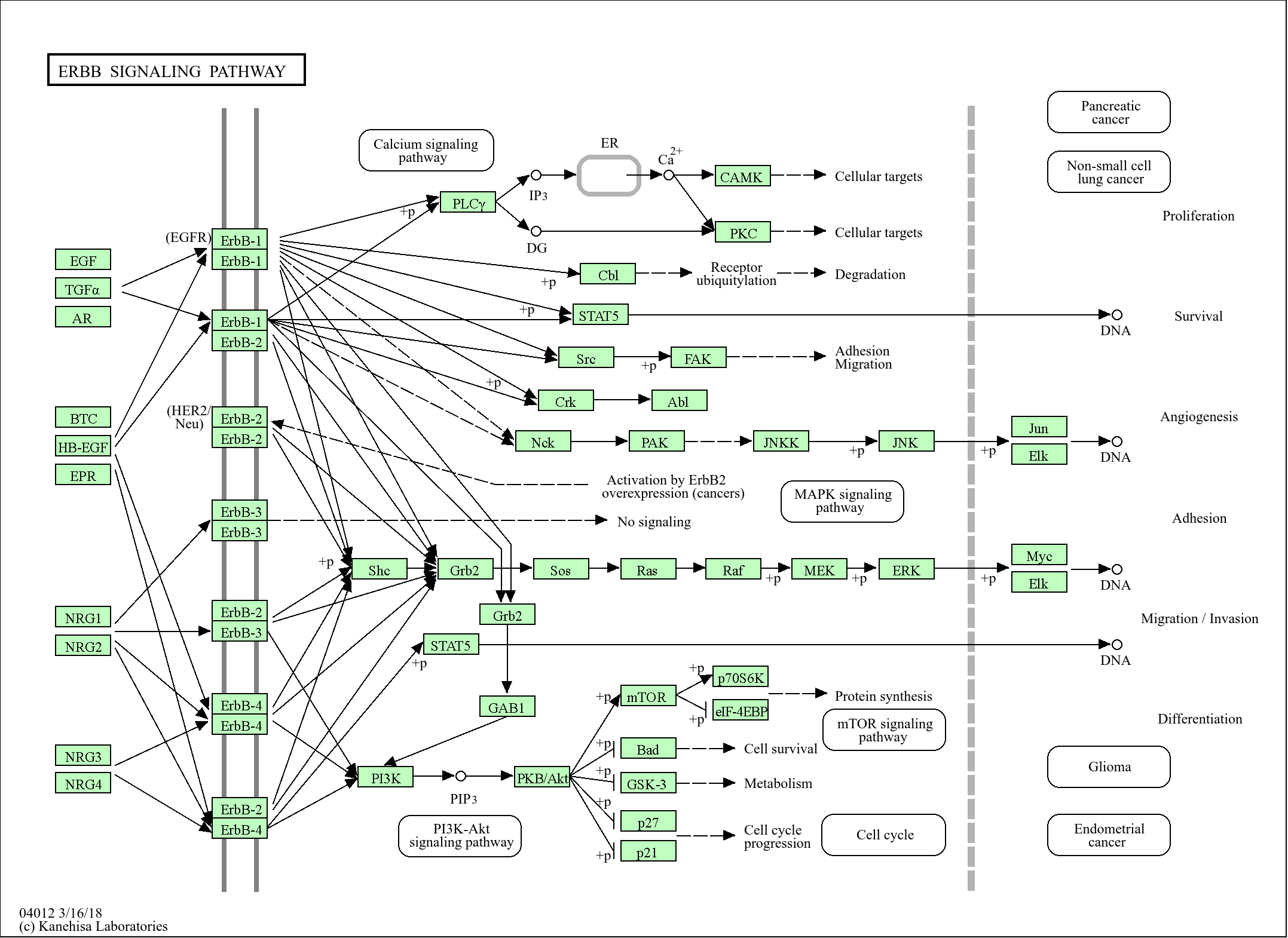
Signaling Pathway
Reference Citation({{totalcount}})
Catalog: YP0603
Size
Price
Status
Qty.
200μL
$600.00
3 weeks
0
100μL
$340.00
3 weeks
0
50μL
$190.00
3 weeks
0
Add to cart
Collected
Collect
Recently Viewed Products
Clear allPRODUCTS
CUSTOMIZED
ABOUT US



Toggle night Mode
{{pinfoXq.title || ''}}
Catalog: {{pinfoXq.catalog || ''}}
Filter:
All
{{item.name}}
{{pinfo.title}}
-{{pinfo.catalog}}
Main Information
Target
{{pinfo.target}}
Reactivity
{{pinfo.react}}
Applications
{{pinfo.applicat}}
Conjugate/Modification
{{pinfo.coupling}}/{{pinfo.modific}}
MW (kDa)
{{pinfo.mwcalc}}
Host Species
{{pinfo.hostspec}}
Isotype
{{pinfo.isotype}}
Product {{index}}/{{pcount}}
Prev
Next
{{pvTitle}}
Scroll wheel zooms the picture
{{pvDescr}}