





Catalog: YP0207
Size
Price
Status
Qty.
200μL
$600.00
3 weeks
0
100μL
$340.00
3 weeks
0
50μL
$190.00
3 weeks
0
Add to cart


Collected
Collect
Main Information
Target
p53 Phospho Ser315
Host Species
Rabbit
Reactivity
Human, Mouse, Rat
Applications
WB, IHC, IF, IP, ELISA
MW
43kD (Observed)
Conjugate/Modification
phosphate
Detailed Information
Recommended Dilution Ratio
WB 1:500-1:2000; IHC 1:100-1:300; IP 2-5 ug/mg lysate; ELISA 1:10000; IF 1:50-200
Formulation
Liquid in PBS containing 50% glycerol, 0.5% BSA and 0.02% sodium azide.
Specificity
Phospho-p53 (S315) Polyclonal Antibody detects endogenous levels of p53 protein only when phosphorylated at S315.The name of modified sites may be influenced by many factors, such as species (the modified site was not originally found in human samples) and the change of protein sequence (the previous protein sequence is incomplete, and the protein sequence may be prolonged with the development of protein sequencing technology). When naming, we will use the "numbers" in historical reference to keep the sites consistent with the reports. The antibody binds to the following modification sequence (lowercase letters are modification sites):SSsPQ
Purification
The antibody was affinity-purified from rabbit antiserum by affinity-chromatography using epitope-specific immunogen.
Storage
-15°C to -25°C/1 year (Do not lower than -25°C)
Concentration
1 mg/ml
MW(Observed)
43kD
Modification
phosphate
Clonality
Polyclonal
Isotype
IgG
Related Products
Secondary Antibodies
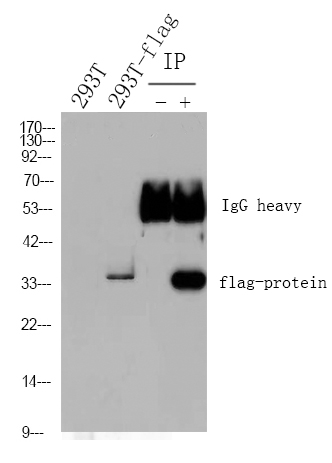
Goat Anti Mouse IgG(H+L) (HRP)
RS0001
More→
Secondary Antibodies
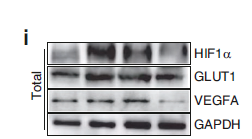
Goat Anti Rabbit IgG(H+L) (HRP)
RS0002
More→
Primary Antibodies
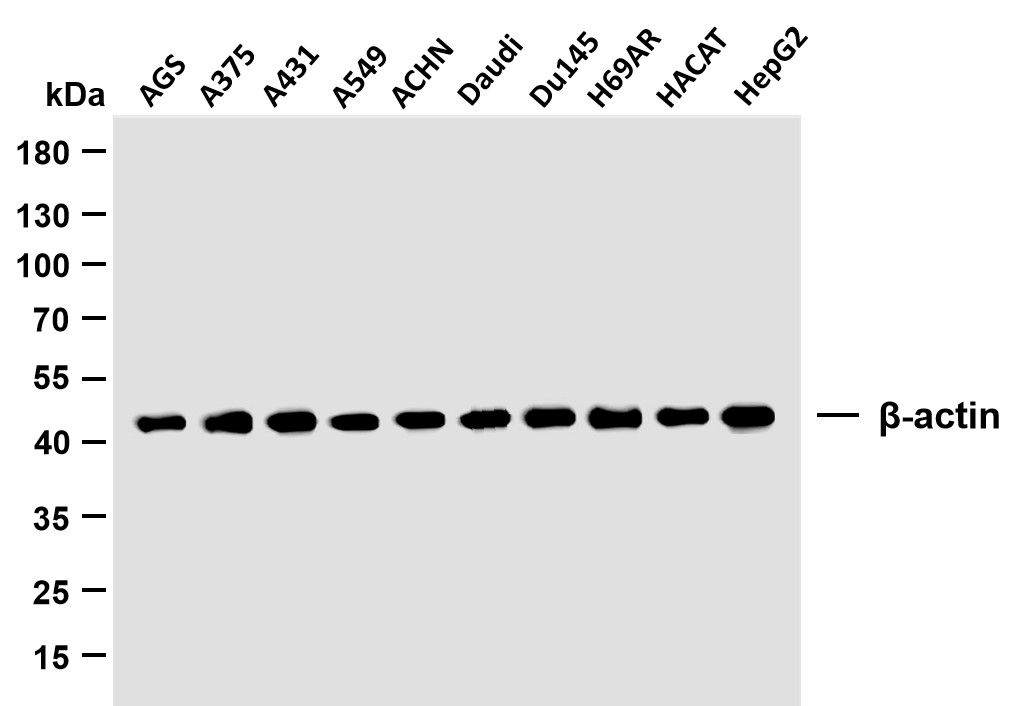
β-actin (PTR2364) Mouse mAb
YM3028
More→
Primary Antibodies
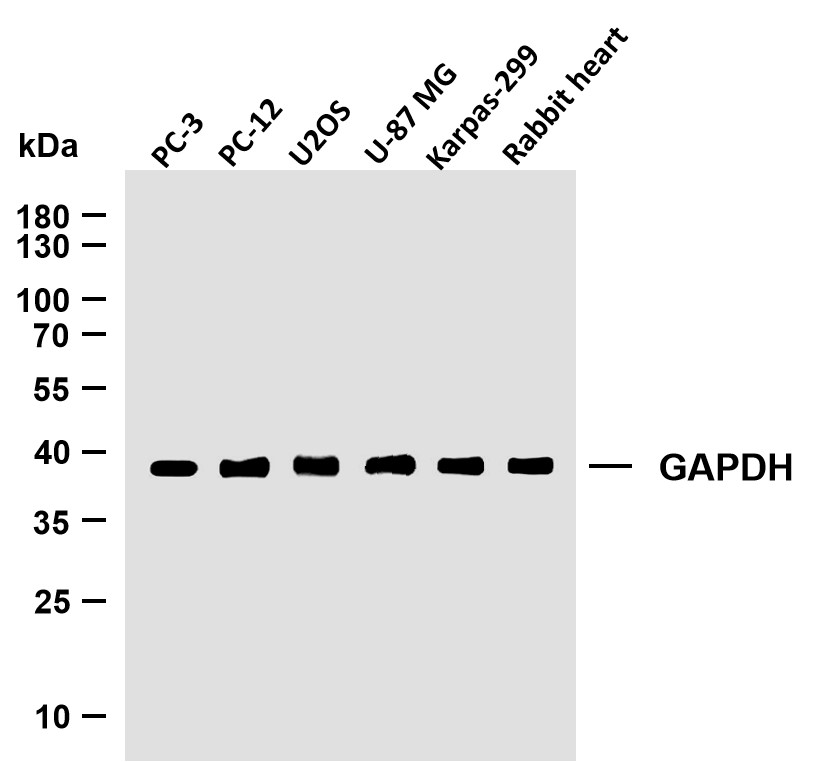
GAPDH (PTR2304) Mouse mAb
YM3029
More→
Antigen&Target Information
Immunogen:
The antiserum was produced against synthesized peptide derived from human p53 around the phosphorylation site of Ser315. AA range:281-330
show all
Specificity:
Phospho-p53 (S315) Polyclonal Antibody detects endogenous levels of p53 protein only when phosphorylated at S315.The name of modified sites may be influenced by many factors, such as species (the modified site was not originally found in human samples) and the change of protein sequence (the previous protein sequence is incomplete, and the protein sequence may be prolonged with the development of protein sequencing technology). When naming, we will use the "numbers" in historical reference to keep the sites consistent with the reports. The antibody binds to the following modification sequence (lowercase letters are modification sites):SSsPQ
show all
Gene Name:
TP53 P53
show all
Protein Name:
Antigen NY-CO-13;BCC7;Cellular tumor antigen p53;FLJ92943;LFS1;Mutant tumor protein 53;p53;p53 tumor suppressor;P53_HUMAN;Phosphoprotein p53;Tp53;Transformation related protein 53;TRP53;tumor antigen p55;Tumor protein 53;Tumor protein p53;Tumor suppressor p53
show all
Other Name:
Antigen NY-CO-13 ;
BCC7 ;
Cellular tumor antigen p53 ;
FLJ92943 ;
LFS1 ;
Mutant tumor protein 53 ;
p53 ;
p53 tumor suppressor ;
P53_HUMAN ;
Phosphoprotein p53 ;
Tp53 ;
Transformation related protein 53 ;
TRP53 ;
tumor antigen p55 ;
Tumor protein 53 ;
Tumor protein p53 ;
Tumor suppressor p53 ;
BCC7 ;
Cellular tumor antigen p53 ;
FLJ92943 ;
LFS1 ;
Mutant tumor protein 53 ;
p53 ;
p53 tumor suppressor ;
P53_HUMAN ;
Phosphoprotein p53 ;
Tp53 ;
Transformation related protein 53 ;
TRP53 ;
tumor antigen p55 ;
Tumor protein 53 ;
Tumor protein p53 ;
Tumor suppressor p53 ;
show all
Database Link:
Background:
tumor protein p53 (TP53) Homo sapiens This gene encodes a tumor suppressor protein containing transcriptional activation , DNA binding , and oligomerization domains. The encoded protein responds to diverse cellular stresses to regulate expression of target genes , thereby inducing cell cycle arrest , apoptosis , senescence , DNA repair , or changes in metabolism. Mutations in this gene are associated with a variety of human cancers , including hereditary cancers such as Li-Fraumeni syndrome. Alternative splicing of this gene and the use of alternate promoters result in multiple transcript variants and isoforms. Additional isoforms have also been shown to result from the use of alternate translation initiation codons (PMIDs: 12032546 , 20937277) . [provided by RefSeq , Feb 2013] ,
show all
Function:
cofactor:Binds 1 zinc ion per subunit. ,Disease:Defects in TP53 are a cause of choroid plexus papilloma [MIM:260500]. Choroid plexus papilloma is a slow-growing benign tumor of the choroid plexus that often invades the leptomeninges. In children it is usually in a lateral ventricle but in adults it is more often in the fourth ventricle. Hydrocephalus is common , either from obstruction or from tumor secretion of cerebrospinal fluid. If it undergoes malignant transformation it is called a choroid plexus carcinoma. Primary choroid plexus tumors are rare and usually occur in early childhood. ,Disease:Defects in TP53 are a cause of Li-Fraumeni syndrome (LFS) [MIM:151623]. LFS is an autosomal dominant familial cancer syndrome that in its classic form is defined by the existence of a proband affected by a sarcoma before 45 years with a first degree relative affected by any tumor before 45 years and another first degree relative with any tumor before 45 years or a sarcoma at any age. Other clinical definitions for LFS have been proposed (PubMed:8118819 and PubMed:8718514) and called Li-Fraumeni like syndrome (LFL) . In these families affected relatives develop a diverse set of malignancies at unusually early ages. Four types of cancers account for 80% of tumors occurring in TP53 germline mutation carriers: breast cancers , soft tissue and bone sarcomas , brain tumors (astrocytomas) and adrenocortical carcinomas. Less frequent tumors include choroid plexus carcinoma or papilloma before the age of 15 , rhabdomyosarcoma before the age of 5 , leukemia , Wilms tumor , malignant phyllodes tumor , colorectal and gastric cancers. ,Disease:Defects in TP53 are a cause of lung cancer [MIM:211980]. ,Disease:Defects in TP53 are a cause of one form of hereditary adrenocortical carcinoma (ADCC) [MIM:202300]. ADCC is a rare childhood tumor , representing about 0.4% of childhood tumors , with a high incidence of associated tumors. ADCC occurs with increased frequency in patients with the Beckwith-Wiedemann syndrome [MIM:130650] and is a component tumor in Li-Fraumeni syndrome [MIM:151623]. ,Disease:Defects in TP53 are found in Barrett metaplasia; also known as Barrett esophagus. It is a condition in which the normally stratified squamous epithelium of the lower esophagus is replaced by a metaplastic columnar epithelium. The condition develops as a complication in approximately 10% of patients with chronic gastroesophageal reflux disease and predisposes to the development of esophageal adenocarcinoma. ,Disease:Defects in TP53 are involved in esophageal squamous cell carcinoma (ESCC) [MIM:133239]. ESCC is a tumor of the esophagus. ,Disease:Defects in TP53 are involved in head and neck squamous cell carcinomas (HNSCC) [MIM:275355]. ,Disease:Defects in TP53 are involved in oral squamous cell carcinoma (OSCC) . Cigarette smoke is a prime mutagenic agent in cancer of the aerodigestive tract. ,Disease:Defects in TP53 may be associated with nasopharyngeal carcinoma [MIM:161550]; also known as nasopharyngeal cancer. ,Disease:TP53 is found in increased amounts in a wide variety of transformed cells. TP53 is frequently mutated or inactivated in about 60% of cancers. ,Domain:The nuclear export signal acts as a transcriptional repression domain. ,Function:Acts as a tumor suppressor in many tumor types; induces growth arrest or apoptosis depending on the physiological circumstances and cell type. Involved in cell cycle regulation as a trans-activator that acts to negatively regulate cell division by controlling a set of genes required for this process. One of the activated genes is an inhibitor of cyclin-dependent kinases. Apoptosis induction seems to be mediated either by stimulation of BAX and FAS antigen expression , or by repression of Bcl-2 expression. ,Function:Acts as a tumor suppressor in many tumor types; induces growth arrest or apoptosis depending on the physiological circumstances and cell type. Involved in cell cycle regulation as a trans-activator that acts to negatively regulate cell division by controlling a set of genes required for this process. One of the activated genes is an inhibitor of cyclin-dependent kinases. Apoptosis induction seems to be mediated either by stimulation of BAX and FAS antigen expression , or by repression of Bcl-2 expression. Implicated in Notch signaling cross-over. ,online information:P53 entry ,online information:Somatic and germline TP53 mutations in human cancers ,online information:The Singapore human mutation and polymorphism database ,PTM:Acetylated. Acetylation of Lys-382 by CREBBP enhances transcriptional activity. Deacetylation of Lys-382 by SIRT1 impairs its ability to induce proapoptotic program and modulate cell senescence. ,PTM:Demethylation of di-methylated Lys-370 by KDM1/LSD1 prevents interaction with TP53BP1 and represses TP53-mediated transcriptional activation. ,PTM:Dephosphorylated by PP2A. SV40 small T antigen inhibits the dephosphorylation by the AC form of PP2A. ,PTM:May be O-glycosylated in the C-terminal basic region. Studied in EB-1 cell line. ,PTM:Monomethylated at Lys-372 by SETD7 , leading to stabilize it and increase transcriptional activation. Monomethylated at Lys-370 by SMYD2 , leading to decrease DNA-binding activity and subsequent transcriptional regulation activity. Lys-372 monomethylation prevents the interaction with SMYD2 and subsequenct monomethylation at Lys-370. ,PTM:Phosphorylation on Ser residues mediates transcriptional activation. Phosphorylated by HIPK1 (By similarity) . Phosphorylation at Ser-9 by HIPK4 increases repression activity on BIRC5 promoter. Phosphorylated on Thr-18 by VRK1 , which may prevent the interaction with MDM2. Phosphorylated on Thr-55 by TAF1 , which promotes MDM2-mediated degradation. Phosphorylated on Ser-46 by HIPK2 upon UV irradiation. Phosphorylation on Ser-46 is required for acetylation by CREBBP. Phosphorylated on Ser-392 following UV but not gamma irradiation. Phosphorylated upon DNA damage , probably by ATM or ATR. Phosphorylated on Ser-15 upon ultraviolet irradiation; which is enhanced by interaction with BANP. ,PTM:Sumoylated by SUMO1. ,PTM:Ubiquitinated by SYVN1 , which leads to proteasomal degradation. ,similarity:Belongs to the p53 family. ,subcellular location:Interaction with BANP promotes nuclear localization. ,subunit:Binds DNA as a homotetramer. ,subunit:Interacts with AXIN1. Probably part of a complex consisting of TP53 , HIPK2 and AXIN1 (By similarity) . Binds DNA as a homotetramer. Interacts with histone acetyltransferases EP300 and methyltransferases HRMT1L2 and CARM1 , and recruits them to promoters. In vitro , the interaction of TP53 with cancer-associated/HPV (E6) viral proteins leads to ubiquitination and degradation of TP53 giving a possible model for cell growth regulation. This complex formation requires an additional factor , E6-AP , which stably associates with TP53 in the presence of E6. Interacts (via C-terminus) with TAF1; when TAF1 is part of the TFIID complex. Interacts with ING4; this interaction may be indirect. Found in a complex with CABLES1 and TP73. Interacts with HIPK1 , HIPK2 , and P53DINP1. Interacts with WWOX. May interact with HCV core protein. Interacts with USP7 and SYVN1. Interacts with HSP90AB1. Interacts with CHD8; leading to recruit histone H1 and prevent transactivation activity (By similarity) . Interacts with ARMC10 , BANP , CDKN2AIP and E4F1. Interacts with YWHAZ; the interaction enhances P53 transcriptional activity. Phosphorylation of YWHAZ on 'Ser-58' inhibits this interaction. Interacts (via DNA-binding domain) with MAML1 (via N-terminus) . ,
show all
Cellular Localization:
Nuclear
show all
Research Areas:
>>Endocrine resistance ;
>>Platinum drug resistance ;
>>MAPK signaling pathway ;
>>Sphingolipid signaling pathway ;
>>Cell cycle ;
>>p53 signaling pathway ;
>>Mitophagy - animal ;
>>PI3K-Akt signaling pathway ;
>>Apoptosis ;
>>Longevity regulating pathway ;
>>Ferroptosis ;
>>Cellular senescence ;
>>Wnt signaling pathway ;
>>Neurotrophin signaling pathway ;
>>Thyroid hormone signaling pathway ;
>>Parkinson disease ;
>>Amyotrophic lateral sclerosis ;
>>Huntington disease ;
>>Shigellosis ;
>>Hepatitis C ;
>>Hepatitis B ;
>>Measles ;
>>Human cytomegalovirus infection ;
>>Human papillomavirus infection ;
>>Human T-cell leukemia virus 1 infection ;
>>Kaposi sarcoma-associated herpesvirus infection ;
>>Herpes simplex virus 1 infection ;
>>Epstein-Barr virus infection ;
>>Pathways in cancer ;
>>Transcriptional misregulation in cancer ;
>>Viral carcinogenesis ;
>>Proteoglycans in cancer ;
>>MicroRNAs in cancer ;
>>Colorectal cancer ;
>>Pancreatic cancer ;
>>Endometrial cancer ;
>>Glioma ;
>>Prostate cancer ;
>>Thyroid cancer ;
>>Basal cell carcinoma ;
>>Melanoma ;
>>Bladder cancer ;
>>Chronic myeloid leukemia ;
>>Small cell lung cancer ;
>>Non-small cell lung cancer ;
>>Breast cancer ;
>>Hepatocellular carcinoma ;
>>Gastric cancer ;
>>Central carbon metabolism in cancer ;
>>Lipid and atherosclerosis ;
>>Fluid shear stress and atherosclerosis
>>Platinum drug resistance ;
>>MAPK signaling pathway ;
>>Sphingolipid signaling pathway ;
>>Cell cycle ;
>>p53 signaling pathway ;
>>Mitophagy - animal ;
>>PI3K-Akt signaling pathway ;
>>Apoptosis ;
>>Longevity regulating pathway ;
>>Ferroptosis ;
>>Cellular senescence ;
>>Wnt signaling pathway ;
>>Neurotrophin signaling pathway ;
>>Thyroid hormone signaling pathway ;
>>Parkinson disease ;
>>Amyotrophic lateral sclerosis ;
>>Huntington disease ;
>>Shigellosis ;
>>Hepatitis C ;
>>Hepatitis B ;
>>Measles ;
>>Human cytomegalovirus infection ;
>>Human papillomavirus infection ;
>>Human T-cell leukemia virus 1 infection ;
>>Kaposi sarcoma-associated herpesvirus infection ;
>>Herpes simplex virus 1 infection ;
>>Epstein-Barr virus infection ;
>>Pathways in cancer ;
>>Transcriptional misregulation in cancer ;
>>Viral carcinogenesis ;
>>Proteoglycans in cancer ;
>>MicroRNAs in cancer ;
>>Colorectal cancer ;
>>Pancreatic cancer ;
>>Endometrial cancer ;
>>Glioma ;
>>Prostate cancer ;
>>Thyroid cancer ;
>>Basal cell carcinoma ;
>>Melanoma ;
>>Bladder cancer ;
>>Chronic myeloid leukemia ;
>>Small cell lung cancer ;
>>Non-small cell lung cancer ;
>>Breast cancer ;
>>Hepatocellular carcinoma ;
>>Gastric cancer ;
>>Central carbon metabolism in cancer ;
>>Lipid and atherosclerosis ;
>>Fluid shear stress and atherosclerosis
show all
Signaling Pathway
Cellular Processes >> Transport and catabolism >> Mitophagy - animal
Cellular Processes >> Cell growth and death >> Cell cycle
Cellular Processes >> Cell growth and death >> Apoptosis
Cellular Processes >> Cell growth and death >> Ferroptosis
Cellular Processes >> Cell growth and death >> p53 signaling pathway
Cellular Processes >> Cell growth and death >> Cellular senescence
Organismal Systems >> Endocrine system >> Thyroid hormone signaling pathway
Organismal Systems >> Nervous system >> Neurotrophin signaling pathway
Organismal Systems >> Aging >> Longevity regulating pathway
Human Diseases >> Cancer: overview >> Pathways in cancer
Human Diseases >> Cancer: overview >> Transcriptional misregulation in cancer
Human Diseases >> Cancer: overview >> MicroRNAs in cancer
Human Diseases >> Cancer: overview >> Central carbon metabolism in cancer
Human Diseases >> Cancer: specific types >> Colorectal cancer
Human Diseases >> Cancer: specific types >> Pancreatic cancer
Human Diseases >> Cancer: specific types >> Hepatocellular carcinoma
Human Diseases >> Cancer: specific types >> Gastric cancer
Human Diseases >> Cancer: specific types >> Glioma
Human Diseases >> Cancer: specific types >> Thyroid cancer
Human Diseases >> Cancer: specific types >> Chronic myeloid leukemia
Human Diseases >> Cancer: specific types >> Basal cell carcinoma
Human Diseases >> Cancer: specific types >> Melanoma
Human Diseases >> Cancer: specific types >> Bladder cancer
Human Diseases >> Cancer: specific types >> Prostate cancer
Human Diseases >> Cancer: specific types >> Endometrial cancer
Human Diseases >> Cancer: specific types >> Breast cancer
Human Diseases >> Cancer: specific types >> Small cell lung cancer
Human Diseases >> Cancer: specific types >> Non-small cell lung cancer
Human Diseases >> Neurodegenerative disease >> Parkinson disease
Human Diseases >> Neurodegenerative disease >> Amyotrophic lateral sclerosis
Human Diseases >> Neurodegenerative disease >> Huntington disease
Environmental Information Processing >> Signal transduction >> MAPK signaling pathway
Environmental Information Processing >> Signal transduction >> Wnt signaling pathway
Environmental Information Processing >> Signal transduction >> Sphingolipid signaling pathway
Environmental Information Processing >> Signal transduction >> PI3K-Akt signaling pathway
Reference Citation({{totalcount}})
Catalog: YP0207
Size
Price
Status
Qty.
200μL
$600.00
3 weeks
0
100μL
$340.00
3 weeks
0
50μL
$190.00
3 weeks
0
Add to cart
Collected
Collect
Recently Viewed Products
Clear allPRODUCTS
CUSTOMIZED
ABOUT US



Toggle night Mode
{{pinfoXq.title || ''}}
Catalog: {{pinfoXq.catalog || ''}}
Filter:
All
{{item.name}}
{{pinfo.title}}
-{{pinfo.catalog}}
Main Information
Target
{{pinfo.target}}
Reactivity
{{pinfo.react}}
Applications
{{pinfo.applicat}}
Conjugate/Modification
{{pinfo.coupling}}/{{pinfo.modific}}
MW (kDa)
{{pinfo.mwcalc}}
Host Species
{{pinfo.hostspec}}
Isotype
{{pinfo.isotype}}
Product {{index}}/{{pcount}}
Prev
Next
{{pvTitle}}
Scroll wheel zooms the picture
{{pvDescr}}