



Catalog: KA1720C
Size
Price
Status
Qty.
96well
$470.00
2 weeks
0
Add to cart


Collected
Collect
Main Information
Reactivity
Human, Mouse, Rat
Applications
ELISA
Conjugate/Modification
phosphate
Detailed Information
Storage
2-8°C/6 months,Ship by ice bag
Modification
phosphate
Detection Method
Colorimetric
Related Products
Primary Antibodies

PLK1 Rabbit pAb
YT5054
More→
Primary Antibodies
PLK1 Rabbit pAb
YT3797
More→
Primary Antibodies
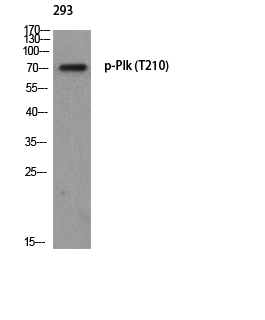
PLK1 (Phospho Thr210) Rabbit pAb
YP0964
More→
Primary Antibodies
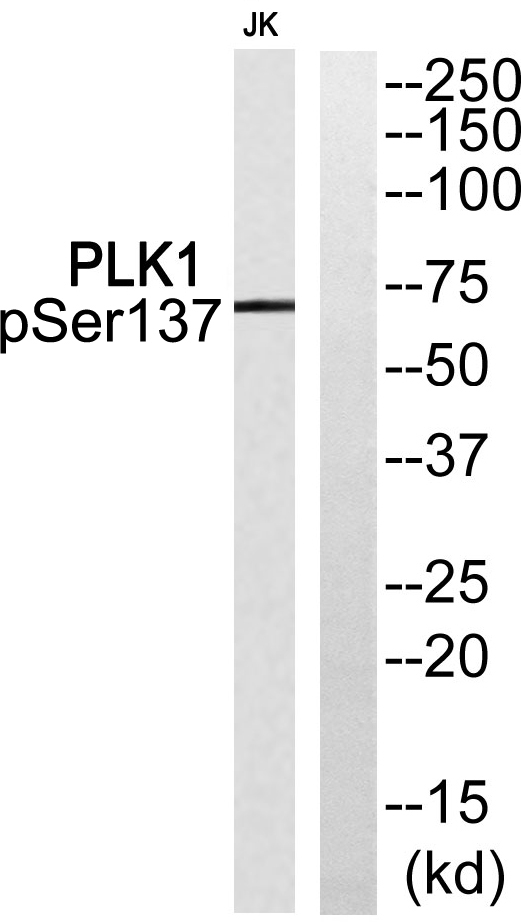
PLK1 (Phospho Ser137) Rabbit pAb
YP0434
More→
ELISA Kits
Total PLK1 Cell-Based Colorimetric ELISA Kit
KA4248C
More→
ELISA Kits
PLK1 (Phospho Ser137) Cell-Based Colorimetric ELISA Kit
KA1720C
More→
Antigen&Target Information
Gene Name:
PLK1
show all
Other Name:
Serine/threonine-protein kinase PLK1 ;
Polo-like kinase 1 ;
PLK-1 ;
Serine/threonine-protein kinase 13 ;
STPK13 ;
Polo-like kinase 1 ;
PLK-1 ;
Serine/threonine-protein kinase 13 ;
STPK13 ;
show all
Database Link:
Background:
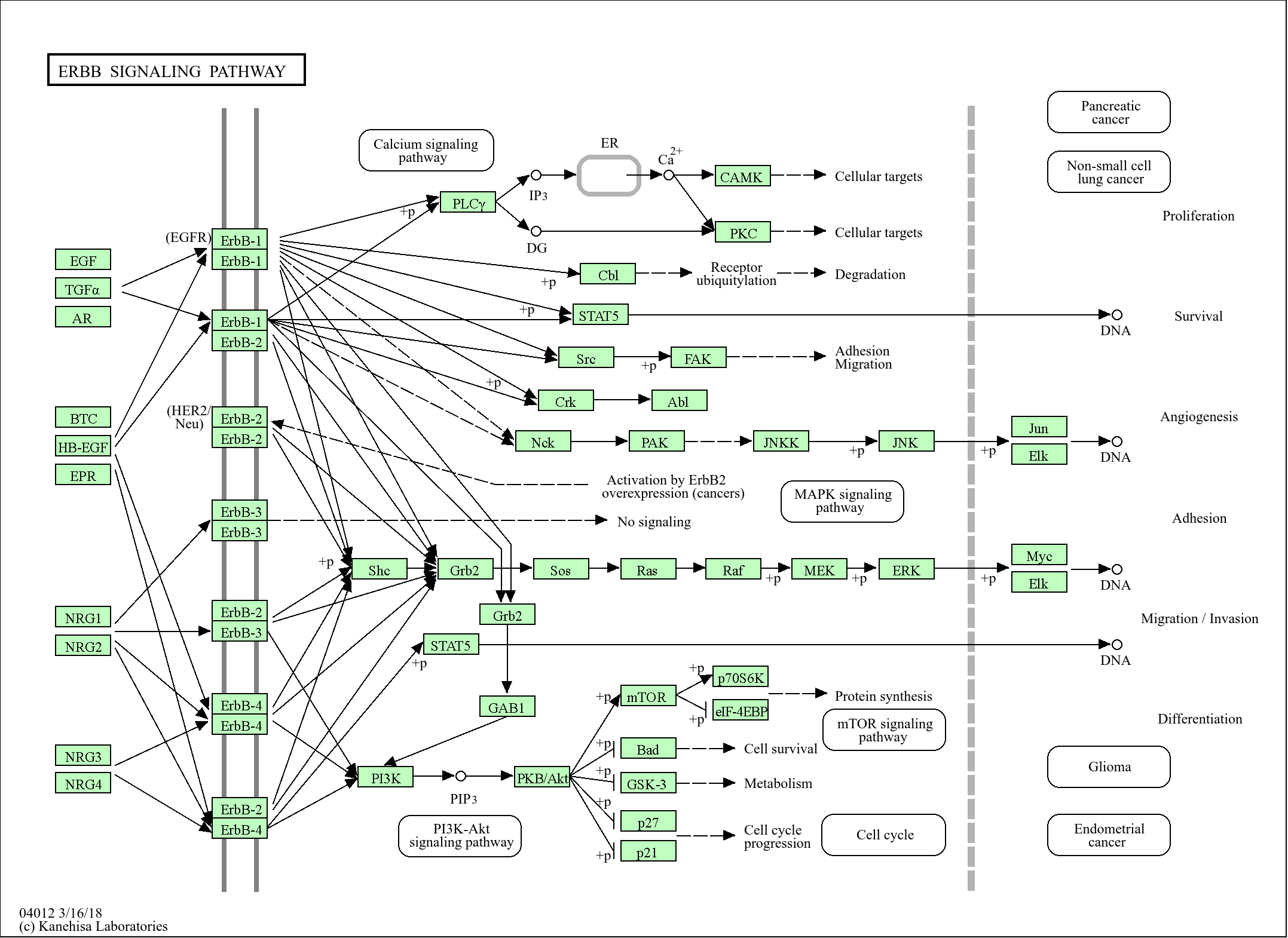
catalytic activity:ATP + a protein = ADP + a phosphoprotein. ,developmental stage:Accumulates to a maximum during the G2 and M phases , declines to a nearly undetectable level following mitosis and throughout G1 phase , and then begins to accumulate again during S phase. ,enzyme regulation:Activated by serine and threonine phosphorylation. ,function:Serine/threonine-protein kinase that performs several important functions throughout M phase of the cell cycle , including the regulation of centrosome maturation and spindle assembly , the removal of cohesins from chromosome arms , the inactivation of APC/C inhibitors , and the regulation of mitotic exit and cytokinesis. ,induction:By growth-stimulating agents. ,PTM:Autophosphorylation and phosphorylation of Ser-137 are not significant events during activation of PLK1 in M phase. ,PTM:Catalytic activity is enhanced by phosphorylation of Thr-210 and/or Ser-137. ,similarity:Belongs to the protein kinase superfamily. ,similarity:Belongs to the protein kinase superfamily. Ser/Thr protein kinase family. CDC5/Polo subfamily. ,similarity:Contains 1 protein kinase domain. ,similarity:Contains 2 POLO box domains. ,subunit:Interacts with CEP170 and EVI5. Interacts and phosphorylates ERCC6L. Interacts with FAM29A. ,tissue specificity:Placenta and colon. ,
show all
Function:
M phase of mitotic cell cycle , mitotic prometaphase , mitotic cell cycle , M phase , nuclear division , cytokinesis , protein amino acid phosphorylation , phosphorus metabolic process , phosphate metabolic process , cell cycle , mitosis , meiosis ,female meiosis , cell proliferation , positive regulation of macromolecule metabolic process , phosphorylation , cell cycle process , cell cycle phase , regulation of protein ubiquitination , positive regulation of protein ubiquitination , regulation of protein modification process , positive regulation of protein modification process , regulation of cellular protein metabolic process , positive regulation of cellular protein metabolic process , cytokinesis during cell cycle , cytokinesis after meiosis , polar body extrusion after meiotic divisions , positive regulation of catalytic activity , positive regulation of molecular function , response to antibiotic , organelle fission , positive regulation of protein metabolic process , cell division , meiotic cell cycle , M phase of meiotic cell cycle , regulation of ligase activity , positive regulation of ligase activity , positive regulation of ubiquitin-protein ligase activity during mitotic cell cycle , regulation of ubiquitin-protein ligase activity , regulation of ubiquitin-protein ligase activity during mitotic cell cycle , positive regulation of ubiquitin-protein ligase activity ,
show all
Cellular Localization:
Nucleus. Chromosome , centromere , kinetochore. Cytoplasm , cytoskeleton , microtubule organizing center , centrosome . Cytoplasm , cytoskeleton , spindle . Midbody . localization at the centrosome starts at the G1/S transition (PubMed:24018379) . During early stages of mitosis , the phosphorylated form is detected on centrosomes and kinetochores. Localizes to the outer kinetochore. Presence of SGO1 and interaction with the phosphorylated form of BUB1 is required for the kinetochore localization. Localizes onto the central spindle by phosphorylating and docking at midzone proteins KIF20A/MKLP2 and PRC1. Colocalizes with FRY to separating centrosomes and spindle poles from prophase to metaphase in mitosis , but not in other stages of the cell cycle. Localization to the centrosome is required for S phase progression (PubMed:24018379) . Colocalizes with HSF1 at the spindle poles during prometaphase (PubMed:18794143) . .
show all
Tissue Expression:
show all
Signaling Pathway
Reference Citation({{totalcount}})
Catalog: KA1720C
Size
Price
Status
Qty.
96well
$470.00
2 weeks
0
Add to cart
Collected
Collect
Recently Viewed Products
Clear allPRODUCTS
CUSTOMIZED
ABOUT US



Toggle night Mode
{{pinfoXq.title || ''}}
Catalog: {{pinfoXq.catalog || ''}}
Filter:
All
{{item.name}}
{{pinfo.title}}
-{{pinfo.catalog}}
Main Information
Target
{{pinfo.target}}
Reactivity
{{pinfo.react}}
Applications
{{pinfo.applicat}}
Conjugate/Modification
{{pinfo.coupling}}/{{pinfo.modific}}
MW (kDa)
{{pinfo.mwcalc}}
Host Species
{{pinfo.hostspec}}
Isotype
{{pinfo.isotype}}
Product {{index}}/{{pcount}}
Prev
Next
{{pvTitle}}
Scroll wheel zooms the picture
{{pvDescr}}