



Catalog: KA1711C
Size
Price
Status
Qty.
96well
$470.00
2 weeks
0
Add to cart


Collected
Collect
Main Information
Reactivity
Human, Mouse
Applications
ELISA
Conjugate/Modification
phosphate
Detailed Information
Storage
2-8°C/6 months,Ship by ice bag
Modification
phosphate
Detection Method
Colorimetric
Related Products
Primary Antibodies
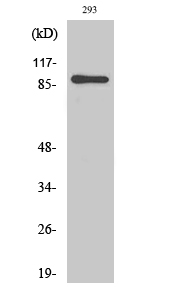
MSK1 Rabbit pAb
YT2902
More→
Primary Antibodies

MSK1 (Phospho Ser360) Rabbit pAb
YP1133
More→
Primary Antibodies
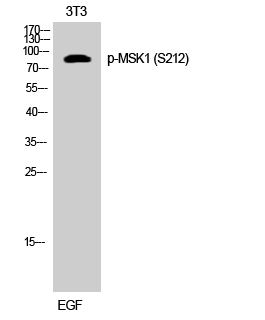
MSK1 (Phospho Ser212) Rabbit pAb
YP0791
More→
Primary Antibodies
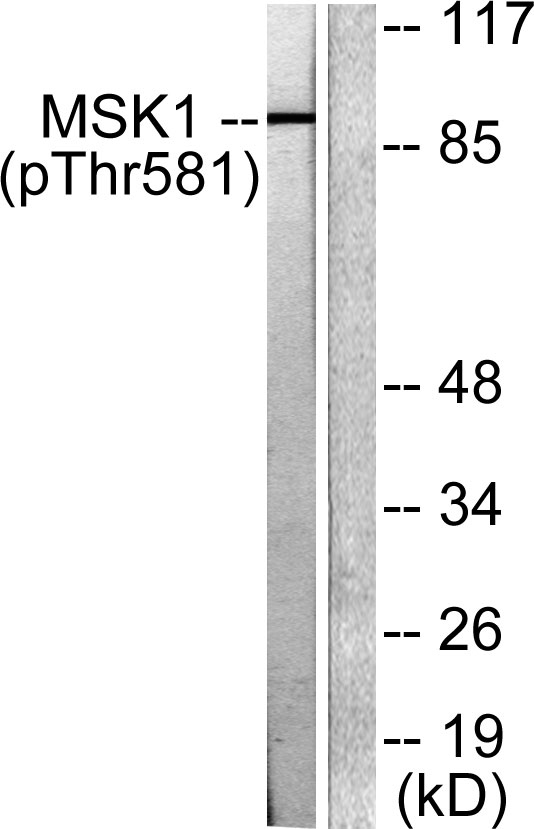
MSK1 (Phospho Thr581) Rabbit pAb
YP0535
More→
Primary Antibodies
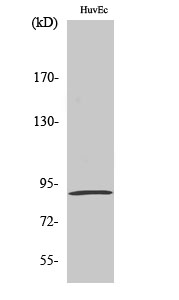
MSK1 (Phospho Ser376) Rabbit pAb
YP0517
More→
ELISA Kits
Total MSK1 Cell-Based Colorimetric ELISA Kit
KA4187C
More→
ELISA Kits
MSK1 (Phospho Ser212) Cell-Based Colorimetric ELISA Kit
KA1711C
More→
ELISA Kits
MSK1 (Phospho Ser376) Cell-Based Colorimetric ELISA Kit
KA1615C
More→
ELISA Kits
MSK1 (Phospho Thr581) Cell-Based Colorimetric ELISA Kit
KA1373C
More→
Antigen&Target Information
Gene Name:
RPS6KA5
show all
Other Name:
Ribosomal protein S6 kinase alpha-5 ;
S6K-alpha-5 ;
90 kDa ribosomal protein S6 kinase 5 ;
Nuclear mitogen- and stress-activated protein kinase 1 ;
RSK-like protein kinase ;
RSKL ;
S6K-alpha-5 ;
90 kDa ribosomal protein S6 kinase 5 ;
Nuclear mitogen- and stress-activated protein kinase 1 ;
RSK-like protein kinase ;
RSKL ;
show all
Background:
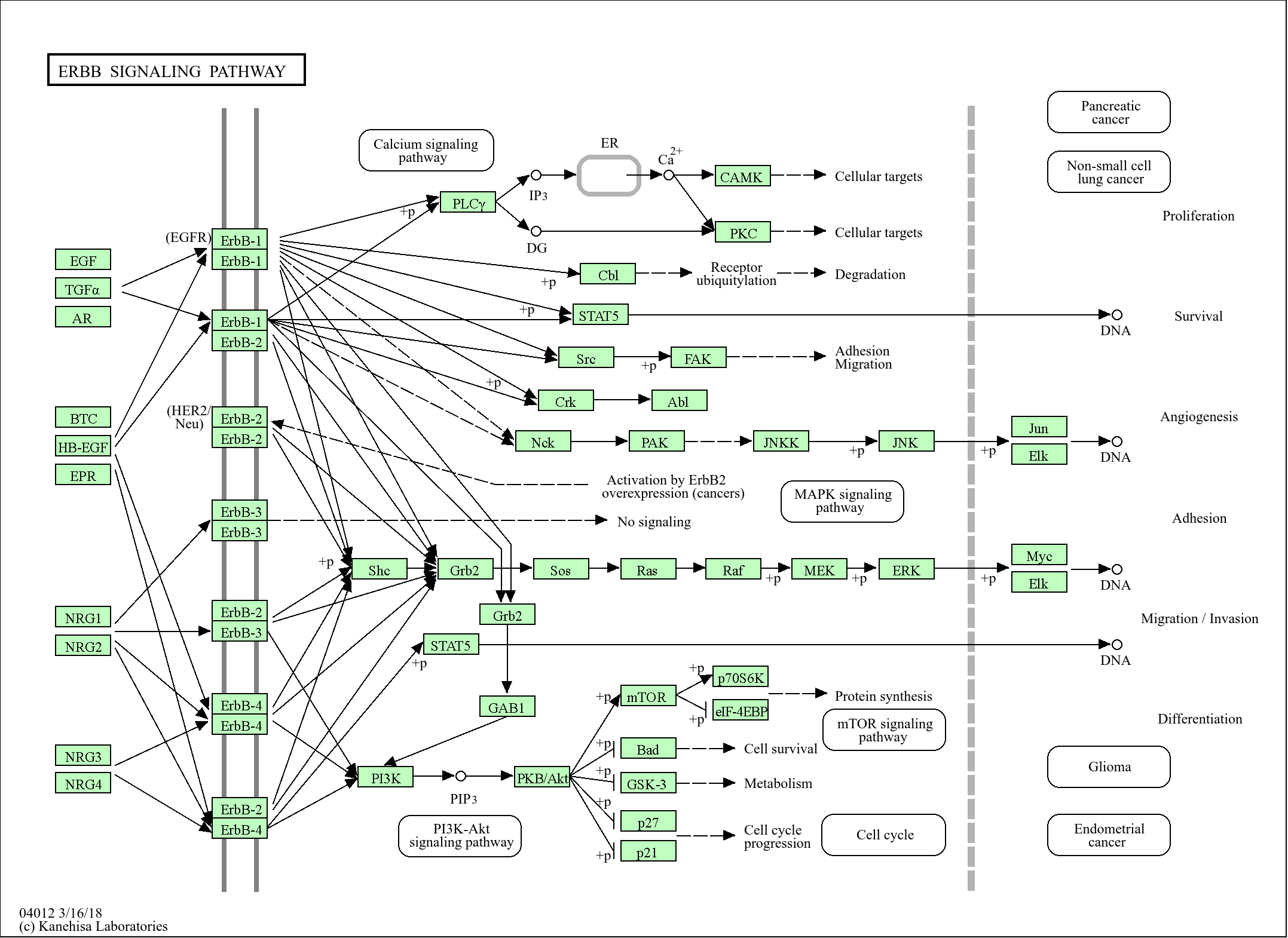
catalytic activity:ATP + a protein = ADP + a phosphoprotein. ,cofactor:Magnesium. ,enzyme regulation:Appears to be activated by multiple phosphorylations on threonine and serine residues. ERK1/2 and MAPK14/p38-alpha may play a role in this process. ,function:Serine/threonine kinase required for the mitogen or stress-induced phosphorylation of the transcription factors CREB (cAMP response element-binding protein) and ATF1 (activating transcription factor-1) . Essential role in the control of RELA transcriptional activity in response to TNF. Directly represses transcription via phosphorylation of 'Ser-1' of histone H2A. Phosphorylates 'Ser-10' of histone H3 in response to mitogenics , stress stimuli and epidemal growth-factor (EGF) , which results in the transcriptional activation of several immediate early genes , including proto-oncogenes c-fos/FOS and c-jun/JUN. May also phosphorylate 'Ser-28' of histone H3. Mediates the mitogen- and stress-induced phosphorylation of high mobility group protein 14 (HMG-14) . ,miscellaneous:Enzyme activity requires the presence of both kinase domains. ,PTM:Ser-376 and Thr-581 phosphorylation is required for kinase activity. Ser-376 and Ser-212 are autophosphorylated by the C-terminal kinase domain , and their phosphorylation is essential for the catalytic activity of the N-terminal kinase domain. ,similarity:Belongs to the protein kinase superfamily. AGC Ser/Thr protein kinase family. S6 kinase subfamily. ,similarity:Contains 1 AGC-kinase C-terminal domain. ,similarity:Contains 2 protein kinase domains. ,subcellular location:Predominantly nuclear. Partially cytoplasmic. ,subunit:Forms a complex with either ERK1 or ERK2 in quiescent cells which transiently dissociates following mitogenic stimulation. Also associates with MAPK14/p38-alpha. Activated RPS6KA5 associates with and phosphorylates the NF-kappa-B p65 subunit RELA. ,tissue specificity:Widely expressed with high levels in heart , brain and placenta. Less abundant in lung , kidney and liver. ,
show all
Function:
chromatin organization , regulation of transcription , DNA-dependent , protein amino acid phosphorylation , proteolysis ,phosphorus metabolic process , phosphate metabolic process , cell surface receptor linked signal transduction , enzyme linked receptor protein signaling pathway , transmembrane receptor protein tyrosine kinase signaling pathway ,epidermal growth factor receptor signaling pathway , intracellular signaling cascade , protein kinase cascade ,phosphorylation , chromatin modification , covalent chromatin modification , histone modification , histone phosphorylation , regulation of transcription , regulation of RNA metabolic process , chromosome organization ,
show all
Cellular Localization:
Nucleus. Cytoplasm. Predominantly nuclear. Exported into cytoplasm in response to glucocorticoid.
show all
Tissue Expression:
Signaling Pathway
Organismal Systems >> Circulatory system >> Adrenergic signaling in cardiomyocytes
Organismal Systems >> Nervous system >> Neurotrophin signaling pathway
Human Diseases >> Cancer: overview >> Pathways in cancer
Human Diseases >> Cancer: overview >> MicroRNAs in cancer
Human Diseases >> Cancer: specific types >> Bladder cancer
Environmental Information Processing >> Signal transduction >> MAPK signaling pathway
Environmental Information Processing >> Signal transduction >> TNF signaling pathway
Reference Citation({{totalcount}})
Catalog: KA1711C
Size
Price
Status
Qty.
96well
$470.00
2 weeks
0
Add to cart
Collected
Collect
Recently Viewed Products
Clear allPRODUCTS
CUSTOMIZED
ABOUT US



Toggle night Mode
{{pinfoXq.title || ''}}
Catalog: {{pinfoXq.catalog || ''}}
Filter:
All
{{item.name}}
{{pinfo.title}}
-{{pinfo.catalog}}
Main Information
Target
{{pinfo.target}}
Reactivity
{{pinfo.react}}
Applications
{{pinfo.applicat}}
Conjugate/Modification
{{pinfo.coupling}}/{{pinfo.modific}}
MW (kDa)
{{pinfo.mwcalc}}
Host Species
{{pinfo.hostspec}}
Isotype
{{pinfo.isotype}}
Product {{index}}/{{pcount}}
Prev
Next
{{pvTitle}}
Scroll wheel zooms the picture
{{pvDescr}}