
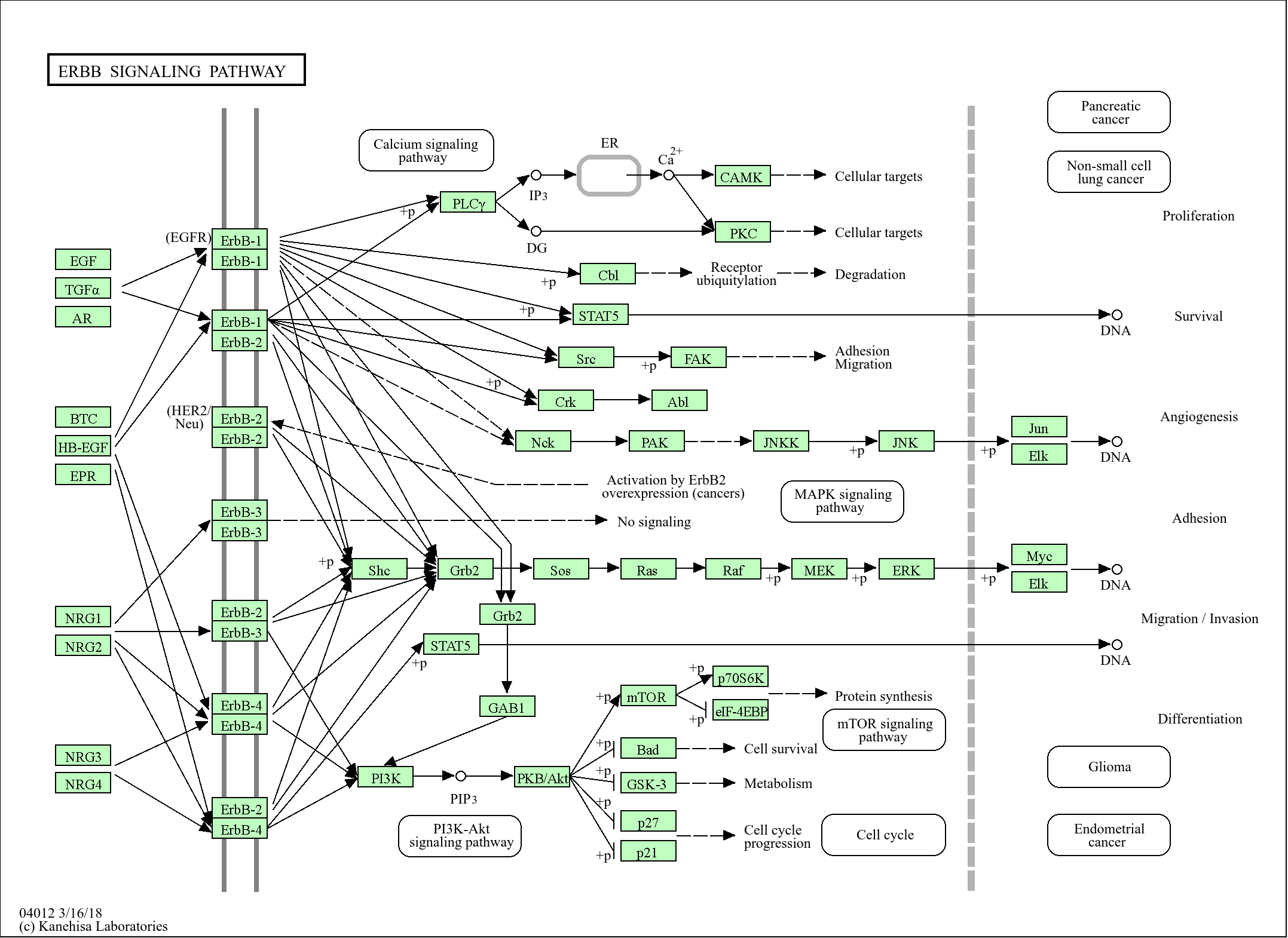



Catalog: KA1303C
Size
Price
Status
Qty.
96well
$470.00
2 weeks
0
Add to cart


Collected
Collect
Main Information
Reactivity
Human, Mouse
Applications
ELISA
Conjugate/Modification
phosphate
Detailed Information
Storage
2-8°C/6 months,Ship by ice bag
Modification
phosphate
Detection Method
Colorimetric
Related Products
Primary Antibodies

MITF Rabbit pAb
YT2769
More→
Primary Antibodies
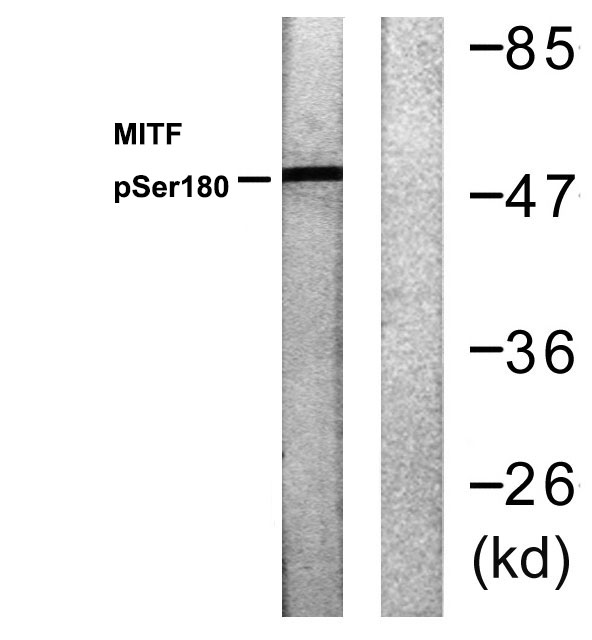
MITF (Phospho Ser180) Rabbit pAb
YP0310
More→
ELISA Kits
Total MITF Cell-Based Colorimetric ELISA Kit
KA4180C
More→
ELISA Kits
MITF (Phospho Ser180/73) Cell-Based Colorimetric ELISA Kit
KA1303C
More→
Antigen&Target Information
Gene Name:
MITF
show all
Other Name:
MITF ;
BHLHE32 ;
Microphthalmia-associated transcription factor ;
Class E basic helix-loop-helix protein 32 ;
bHLHe32
BHLHE32 ;
Microphthalmia-associated transcription factor ;
Class E basic helix-loop-helix protein 32 ;
bHLHe32
show all
Background:
alternative products:The X2-type isoforms differ from the X1-type isoforms by the absence of a 6 residue insert ,disease:Defects in MITF are a cause of Waardenburg syndrome type 2 with ocular albinism (WS2-OA) [MIM:103470]. It is an ocular albinism with sensorineural deafness. ,disease:Defects in MITF are the cause of Tietz syndrome [MIM:103500]. It is an autosomal dominant disorder characterized by generalized hypopigmentation and profound , congenital , bilateral deafness. Penetrance is complete. ,disease:Defects in MITF are the cause of Waardenburg syndrome type 2A (WS2A) [MIM:193510]. It is a dominant inherited disorder characterized by sensorineural hearing loss and patches of depigmentation. The features show variable expression and penetrance. ,function:Transcription factor for tyrosinase and tyrosinase-related protein 1. Binds to a symmetrical DNA sequence (E-boxes) (5'-CACGTG-3') found in the tyrosinase promoter. Plays a critical role in the differentiation of various cell types as neural crest-derived melanocytes , mast cells , osteoclasts and optic cup-derived retinal pigment epithelium. ,PTM:Phosphorylation at Ser-405 significantly enhances the ability to bind the tyrosinase promoter. ,similarity:Belongs to the MiT/TFE family. ,similarity:Contains 1 basic helix-loop-helix (bHLH) domain. ,subunit:Efficient DNA binding requires dimerization with another bHLH protein. Binds DNA in the form of homodimer or heterodimer with either TFE3 , TFEB or TFEC. ,tissue specificity:Isoform M is exclusively expressed in melanocytes and melanoma cells. Isoform A and isoform H are widely expressed in many cell types including melanocytes and retinal pigment epithelium (RPE) . Isoform C is expressed in many cell types including RPE but not in melanocyte-lineage cells. ,
show all
Function:
eye development , regulation of myeloid leukocyte differentiation , transcription , regulation of transcription , DNA-dependent , regulation of transcription from RNA polymerase II promoter , cell surface receptor linked signal transduction , sensory organ development , positive regulation of biosynthetic process , positive regulation of macromolecule biosynthetic process , positive regulation of macromolecule metabolic process , positive regulation of gene expression , regulation of cell death , Wnt receptor signaling pathway , melanocyte differentiation , positive regulation of cellular biosynthetic process , regulation of cell proliferation , regulation of apoptosis , camera-type eye development , negative regulation of apoptosis , regulation of programmed cell death , negative regulation of programmed cell death , pigmentation , cell fate commitment , regulation of transcription , regulation of myeloid cell differentiation , regulation of osteoclast differentiation , positive regulation of transcription , DNA-dependent , positive regulation of nucleobase , nucleoside , nucleotide and nucleic acid metabolic process , positive regulation of transcription , positive regulation of transcription from RNA polymerase II promoter , bone remodeling , pigmentation during development , tissue remodeling , pigment cell differentiation , positive regulation of nitrogen compound metabolic process , regulation of RNA metabolic process , positive regulation of RNA metabolic process , negative regulation of cell death ,
show all
Cellular Localization:
Nucleus . Cytoplasm . Found exclusively in the nucleus upon phosphorylation. .
show all
Signaling Pathway
Cellular Processes >> Transport and catabolism >> Mitophagy - animal
Organismal Systems >> Development and regeneration >> Osteoclast differentiation
Human Diseases >> Cancer: overview >> Pathways in cancer
Human Diseases >> Cancer: overview >> Transcriptional misregulation in cancer
Human Diseases >> Cancer: specific types >> Melanoma
Reference Citation({{totalcount}})
Catalog: KA1303C
Size
Price
Status
Qty.
96well
$470.00
2 weeks
0
Add to cart
Collected
Collect
Recently Viewed Products
Clear allPRODUCTS
CUSTOMIZED
ABOUT US



Toggle night Mode
{{pinfoXq.title || ''}}
Catalog: {{pinfoXq.catalog || ''}}
Filter:
All
{{item.name}}
{{pinfo.title}}
-{{pinfo.catalog}}
Main Information
Target
{{pinfo.target}}
Reactivity
{{pinfo.react}}
Applications
{{pinfo.applicat}}
Conjugate/Modification
{{pinfo.coupling}}/{{pinfo.modific}}
MW (kDa)
{{pinfo.mwcalc}}
Host Species
{{pinfo.hostspec}}
Isotype
{{pinfo.isotype}}
Product {{index}}/{{pcount}}
Prev
Next
{{pvTitle}}
Scroll wheel zooms the picture
{{pvDescr}}