



Catalog: YP1701
Size
Price
Status
Qty.
200μL
$600.00
2 weeks
0
100μL
$340.00
2 weeks
0
50μL
$190.00
2 weeks
0
Add to cart


Collected
Collect
Main Information
Target
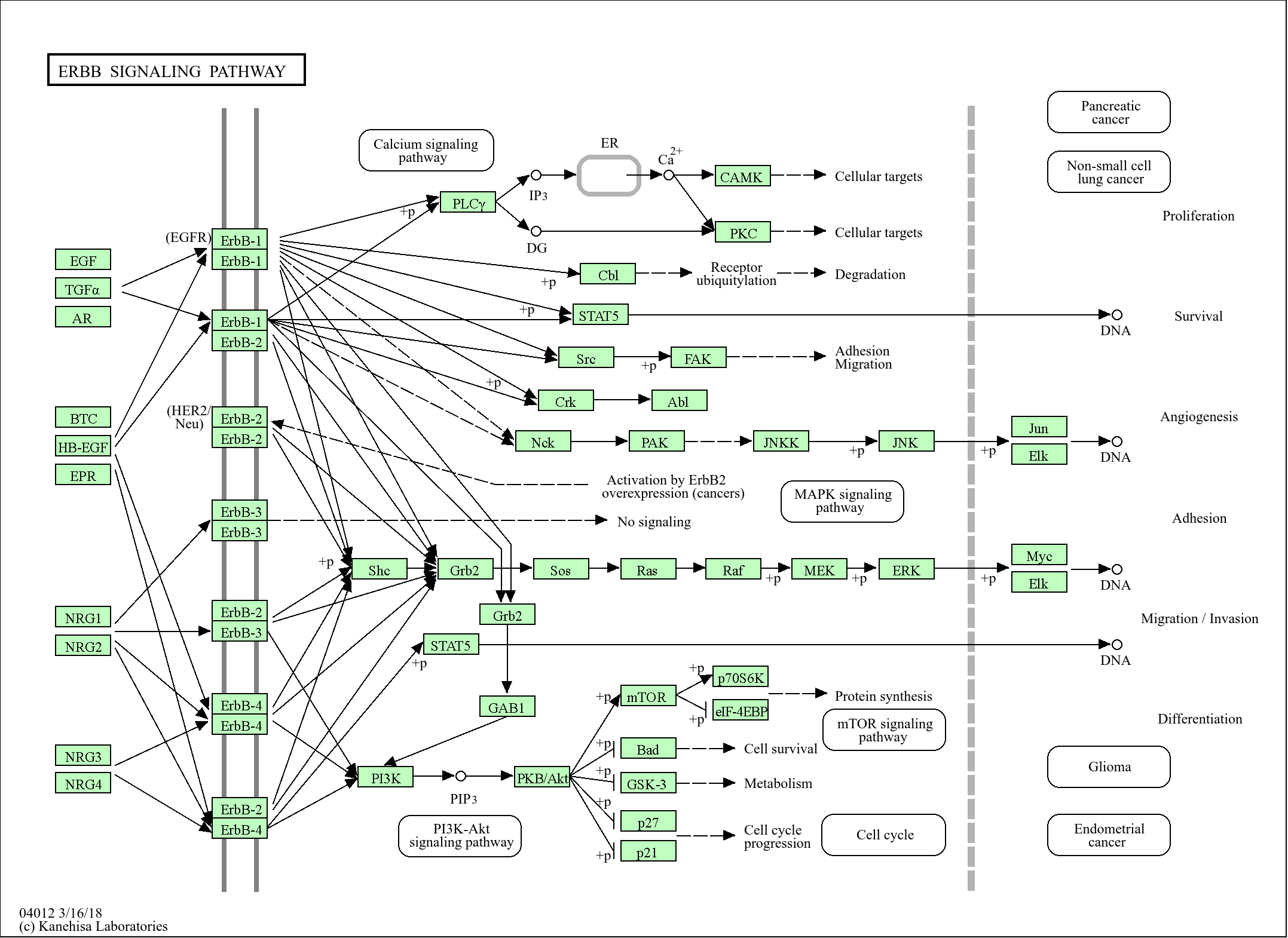
FGF Receptor 2 Phospho Tyr769
Host Species
Rabbit
Reactivity
Human, Mouse, Rat
Applications
WB
MW
90kD (Calculated)
Conjugate/Modification
phosphate
Detailed Information
Recommended Dilution Ratio
WB 1:500-2000
Formulation
Liquid in PBS containing 50% glycerol, 0.5% BSA and 0.02% sodium azide.
Specificity
This antibody detects endogenous levels of FGFR2 (Phospho-Tyr769) at Human, Mouse,Rat.The name of modified sites may be influenced by many factors, such as species (the modified site was not originally found in human samples) and the change of protein sequence (the previous protein sequence is incomplete, and the protein sequence may be prolonged with the development of protein sequencing technology). When naming, we will use the "numbers" in historical reference to keep the sites consistent with the reports. The antibody binds to the following modification sequence (lowercase letters are modification sites):EEyLD
Purification
The antibody was affinity-purified from rabbit serum by affinity-chromatography using specific immunogen.
Storage
-15°C to -25°C/1 year (Do not lower than -25°C)
Concentration
1 mg/ml
MW(Calculated)
90kD
Modification
phosphate
Clonality
Polyclonal
Isotype
IgG
Related Products
Secondary Antibodies
Goat Anti Mouse IgG(H+L) (HRP)
RS0001
More→
Secondary Antibodies
Goat Anti Rabbit IgG(H+L) (HRP)
RS0002
More→
Primary Antibodies
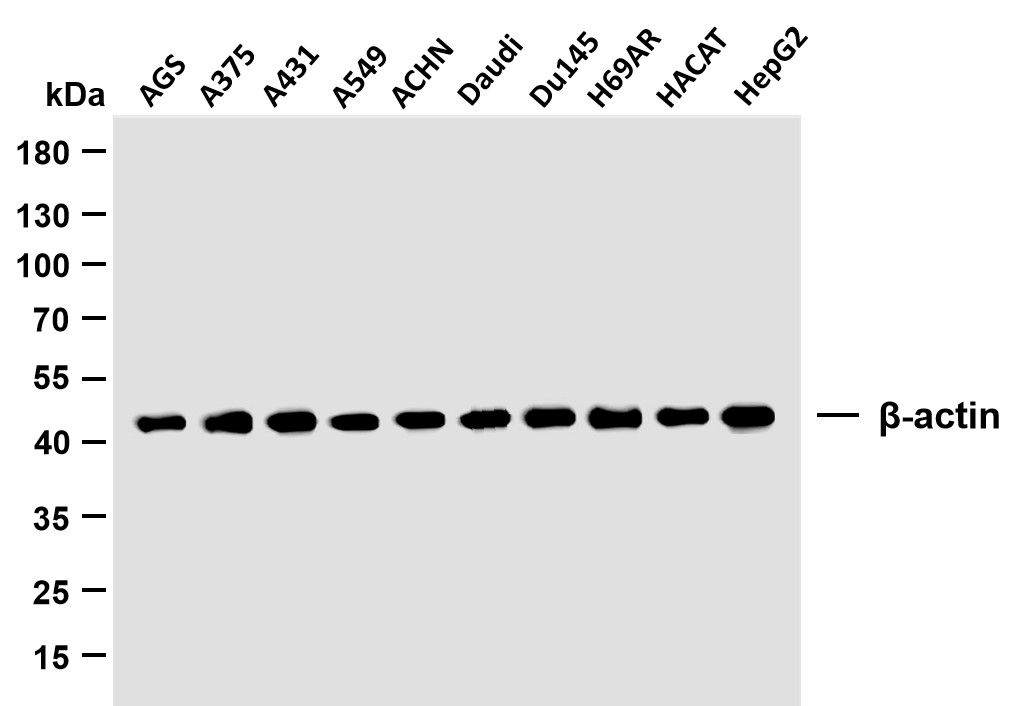
β-actin (PTR2364) Mouse mAb
YM3028
More→
Primary Antibodies
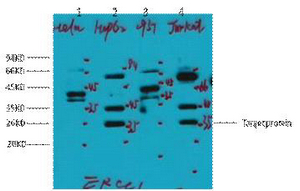
ERCC1 (1B10) Mouse mAb
YM3078
More→
Antigen&Target Information
Immunogen:
Synthesized peptide derived from human FGFR2 (Phospho-Tyr769)
show all
Specificity:
This antibody detects endogenous levels of FGFR2 (Phospho-Tyr769) at Human, Mouse,Rat.The name of modified sites may be influenced by many factors, such as species (the modified site was not originally found in human samples) and the change of protein sequence (the previous protein sequence is incomplete, and the protein sequence may be prolonged with the development of protein sequencing technology). When naming, we will use the "numbers" in historical reference to keep the sites consistent with the reports. The antibody binds to the following modification sequence (lowercase letters are modification sites):EEyLD
show all
Gene Name:
FGFR2 BEK KGFR KSAM
show all
Protein Name:
FGFR2 (Phospho-Tyr769)
show all
Other Name:
Fibroblast growth factor receptor 2 ;
FGFR-2 ;
K-sam ;
KGFR ;
Keratinocyte growth factor receptor ;
CD antigen CD332 ;
FGFR-2 ;
K-sam ;
KGFR ;
Keratinocyte growth factor receptor ;
CD antigen CD332 ;
show all
Background:
The protein encoded by this gene is a member of the fibroblast growth factor receptor family , where amino acid sequence is highly conserved between members and throughout evolution. FGFR family members differ from one another in their ligand affinities and tissue distribution. A full-length representative protein consists of an extracellular region , composed of three immunoglobulin-like domains , a single hydrophobic membrane-spanning segment and a cytoplasmic tyrosine kinase domain. The extracellular portion of the protein interacts with fibroblast growth factors , setting in motion a cascade of downstream signals , ultimately influencing mitogenesis and differentiation. This particular family member is a high-affinity receptor for acidic , basic and/or keratinocyte growth factor , depending on the isoform. Mutations in this gene are associated with Crouzon syndrome , Pfeiffer syndrome , C
show all
Function:
Catalytic activity:ATP + a [protein]-L-tyrosine = ADP + a [protein]-L-tyrosine phosphate. ,Disease:Defects in FGFR2 are a cause of Apert syndrome (APRS) [MIM:101200]; also known as acrocephalosyndactyly type 1 (ACS1) . APRS is a syndrome characterized by facio-cranio-synostosis , osseous and membranous syndactyly of the four extremities , and midface hypoplasia. The craniosynostosis is bicoronal and results in acrocephaly of brachysphenocephalic type. Syndactyly of the fingers and toes may be total (mitten hands and sock feet) or partial affecting the second , third , and fourth digits. Intellectual deficit is frequent and often severe , usually being associated with cerebral malformations. ,Disease:Defects in FGFR2 are a cause of Jackson-Weiss syndrome (JWS) [MIM:123150]. JWS is an autosomal dominant craniosynostosis syndrome characterized by craniofacial abnormalities and abnormality of the feet: broad great toes with medial deviation and tarsal-metatarsal coalescence. ,Disease:Defects in FGFR2 are a cause of lacrimo-auriculo-dento-digital syndrome (LADDS) [MIM:149730]; also known as Levy-Hollister syndrome. LADDS is a form of ectodermal dysplasia , a heterogeneous group of disorders due to abnormal development of two or more ectodermal structures. LADDS is an autosomal dominant syndrome characterized by aplastic/hypoplastic lacrimal and salivary glands and ducts , cup-shaped ears , hearing loss , hypodontia and enamel hypoplasia , and distal limb segments anomalies. In addition to these cardinal features , facial dysmorphism , malformations of the kidney and respiratory system and abnormal genitalia have been reported. Craniosynostosis and severe syndactyly are not observed. ,Disease:Defects in FGFR2 are a cause of Pfeiffer syndrome (PS) [MIM:101600]; also known as acrocephalosyndactyly type V (ACS5) . PS is characterized by craniosynostosis (premature fusion of the skull sutures) with deviation and enlargement of the thumbs and great toes , brachymesophalangy , with phalangeal ankylosis and a varying degree of soft tissue syndactyly. Three subtypes of Pfeiffer syndrome have been described: mild autosomal dominant form (type 1) ; cloverleaf skull , elbow ankylosis , early death , sporadic (type 2) ; craniosynostosis , early demise , sporadic (type 3) . ,Disease:Defects in FGFR2 are the cause of Antley-Bixler syndrome (ABS) [MIM:207410]. ABS is a multiple congenital anomaly syndrome characterized by craniosynostosis , radiohumeral synostosis , midface hypoplasia , malformed ears , arachnodactyly and multiple joint contractures. ABS is a heterogeneous disorder and occurs with and without abnormal genitalia in both sexes. ,Disease:Defects in FGFR2 are the cause of Beare-Stevenson cutis gyrata syndrome (BSCGS) [MIM:123790]. BSCGS is an autosomal dominant condition is characterized by the furrowed skin disorder of cutis gyrata , acanthosis nigricans , craniosynostosis , craniofacial dysmorphism , digital anomalies , umbilical and anogenital abnormalities and early death. ,Disease:Defects in FGFR2 are the cause of Crouzon syndrome (CS) [MIM:123500]; also called craniofacial dysostosis type I (CFD1) . CS is an autosomal dominant syndrome characterized by craniosynostosis (premature fusion of the skull sutures) , hypertelorism , exophthalmos and external strabismus , parrot-beaked nose , short upper lip , hypoplastic maxilla , and a relative mandibular prognathism. ,Disease:Defects in FGFR2 are the cause of familial scaphocephaly syndrome (FSPC) [MIM:609579]; also known as scaphocephaly with maxillary retrusion and mental retardation. FSPC is an autosomal dominant craniosynostosis syndrome characterized by scaphocephaly , macrocephaly , hypertelorism , maxillary retrusion , and mild intellectual disability. Scaphocephaly is the most common of the craniosynostosis conditions and is characterized by a long , narrow head. It is due to premature fusion of the sagittal suture or from external deformation. ,Function:Receptor for acidic and basic fibroblast growth factors. ,similarity:Belongs to the protein kinase superfamily. Tyr protein kinase family. ,similarity:Belongs to the protein kinase superfamily. Tyr protein kinase family. Fibroblast growth factor receptor subfamily. ,similarity:Contains 1 protein kinase domain. ,similarity:Contains 3 Ig-like C2-type (immunoglobulin-like) domains. ,
show all
Cellular Localization:
Cell membrane; Single-pass type I membrane protein. Golgi apparatus. Cytoplasmic vesicle. Detected on osteoblast plasma membrane lipid rafts. After ligand binding , the activated receptor is rapidly internalized and degraded.; [Isoform 1]: Cell membrane; Single-pass type I membrane protein. After ligand binding , the activated receptor is rapidly internalized and degraded.; [Isoform 3]: Cell membrane; Single-pass type I membrane protein. After ligand binding , the activated receptor is rapidly internalized and degraded.; [Isoform 8]: Secreted.; [Isoform 13]: Secreted.
show all
Tissue Expression:
Research Areas:
>>EGFR tyrosine kinase inhibitor resistance ;
>>MAPK signaling pathway ;
>>Ras signaling pathway ;
>>Rap1 signaling pathway ;
>>Calcium signaling pathway ;
>>Endocytosis ;
>>PI3K-Akt signaling pathway ;
>>Signaling pathways regulating pluripotency of stem cells ;
>>Regulation of actin cytoskeleton ;
>>Pathways in cancer ;
>>Prostate cancer ;
>>Gastric cancer ;
>>Central carbon metabolism in cancer
>>MAPK signaling pathway ;
>>Ras signaling pathway ;
>>Rap1 signaling pathway ;
>>Calcium signaling pathway ;
>>Endocytosis ;
>>PI3K-Akt signaling pathway ;
>>Signaling pathways regulating pluripotency of stem cells ;
>>Regulation of actin cytoskeleton ;
>>Pathways in cancer ;
>>Prostate cancer ;
>>Gastric cancer ;
>>Central carbon metabolism in cancer
show all
Signaling Pathway
Cellular Processes >> Cellular community - eukaryotes >> Signaling pathways regulating pluripotency of stem cells
Cellular Processes >> Cell motility >> Regulation of actin cytoskeleton
Human Diseases >> Cancer: overview >> Pathways in cancer
Human Diseases >> Cancer: overview >> Central carbon metabolism in cancer
Human Diseases >> Cancer: specific types >> Gastric cancer
Human Diseases >> Cancer: specific types >> Prostate cancer
Environmental Information Processing >> Signal transduction >> MAPK signaling pathway
Environmental Information Processing >> Signal transduction >> Ras signaling pathway
Environmental Information Processing >> Signal transduction >> Rap1 signaling pathway
Environmental Information Processing >> Signal transduction >> Calcium signaling pathway
Environmental Information Processing >> Signal transduction >> PI3K-Akt signaling pathway
Reference Citation({{totalcount}})
Catalog: YP1701
Size
Price
Status
Qty.
200μL
$600.00
2 weeks
0
100μL
$340.00
2 weeks
0
50μL
$190.00
2 weeks
0
Add to cart
Collected
Collect
Recently Viewed Products
Clear allPRODUCTS
CUSTOMIZED
ABOUT US



Toggle night Mode
{{pinfoXq.title || ''}}
Catalog: {{pinfoXq.catalog || ''}}
Filter:
All
{{item.name}}
{{pinfo.title}}
-{{pinfo.catalog}}
Main Information
Target
{{pinfo.target}}
Reactivity
{{pinfo.react}}
Applications
{{pinfo.applicat}}
Conjugate/Modification
{{pinfo.coupling}}/{{pinfo.modific}}
MW (kDa)
{{pinfo.mwcalc}}
Host Species
{{pinfo.hostspec}}
Isotype
{{pinfo.isotype}}
Product {{index}}/{{pcount}}
Prev
Next
{{pvTitle}}
Scroll wheel zooms the picture
{{pvDescr}}