



Catalog: YP1659
Size
Price
Status
Qty.
200μL
$600.00
4 weeks
0
100μL
$340.00
4 weeks
0
50μL
$190.00
4 weeks
0
Add to cart


Collected
Collect
Main Information
Target
Nrf2 Phospho Ser40
Host Species
Rabbit
Reactivity
Human, Mouse, Rat
Applications
WB
MW
68kD (Calculated)
90-100kD (Observed)
Conjugate/Modification
phosphate
Detailed Information
Recommended Dilution Ratio
WB 1:500-2000
Formulation
Liquid in PBS containing 50% glycerol, 0.5% BSA and 0.02% sodium azide.
Specificity
This antibody detects endogenous levels of Nrf2(Phospho-Ser40) at Human, Mouse,Rat.The name of modified sites may be influenced by many factors, such as species (the modified site was not originally found in human samples) and the change of protein sequence (the previous protein sequence is incomplete, and the protein sequence may be prolonged with the development of protein sequencing technology). When naming, we will use the "numbers" in historical reference to keep the sites consistent with the reports. The antibody binds to the following modification sequence (lowercase letters are modification sites):DFsQR
Purification
The antibody was affinity-purified from rabbit serum by affinity-chromatography using specific immunogen.
Storage
-15°C to -25°C/1 year (Do not lower than -25°C)
Concentration
1 mg/ml
MW(Calculated)
68kD
MW(Observed)
90-100kD
Modification
phosphate
Clonality
Polyclonal
Isotype
IgG
RRID
AB_3076282
Related Products
Secondary Antibodies
Goat Anti Mouse IgG(H+L) (HRP)
RS0001
More→
Secondary Antibodies
Goat Anti Rabbit IgG(H+L) (HRP)
RS0002
More→
Primary Antibodies
β-actin (PTR2364) Mouse mAb
YM3028
More→
Primary Antibodies
ERCC1 (1B10) Mouse mAb
YM3078
More→
Antigen&Target Information
Immunogen:
Synthesized peptide derived from human Nrf2(Phospho-Ser40)
show all
Specificity:
This antibody detects endogenous levels of Nrf2(Phospho-Ser40) at Human, Mouse,Rat.The name of modified sites may be influenced by many factors, such as species (the modified site was not originally found in human samples) and the change of protein sequence (the previous protein sequence is incomplete, and the protein sequence may be prolonged with the development of protein sequencing technology). When naming, we will use the "numbers" in historical reference to keep the sites consistent with the reports. The antibody binds to the following modification sequence (lowercase letters are modification sites):DFsQR
show all
Gene Name:
NFE2L2 NRF2
show all
Protein Name:
NRF2 (Phospho-Ser40)
show all
Other Name:
Nuclear factor erythroid 2-related factor 2 ;
NF-E2-related factor 2 ;
NFE2-related factor 2 ;
HEBP1 ;
Nuclear factor,erythroid derived 2,like 2 ;
NF-E2-related factor 2 ;
NFE2-related factor 2 ;
HEBP1 ;
Nuclear factor,erythroid derived 2,like 2 ;
show all
Database Link:
Background:
This gene encodes a transcription factor which is a member of a small family of basic leucine zipper (bZIP) proteins. The encoded transcription factor regulates genes which contain antioxidant response elements (ARE) in their promoters; many of these genes encode proteins involved in response to injury and inflammation which includes the production of free radicals. Multiple transcript variants encoding different isoforms have been characterized for this gene. [provided by RefSeq , Sep 2015] ,
show all
Function:
Domain:Acidic activation domain in the N-terminus , and DNA binding domain in the C-terminus. ,Function:Transcription activator that binds to antioxidant response (ARE) elements in the promoter regions of target genes. Important for the coordinated up-regulation of genes in response to oxidative stress. May be involved in the transcriptional activation of genes of the beta-globin cluster by mediating enhancer activity of hypersensitive site 2 of the beta-globin locus control region. ,PTM:Phosphorylation of Ser-40 by PKC in response to oxidative stress dissociates NFE2L2 from its cytoplasmic inhibitor KEAP1 , promoting its translocation into the nucleus. ,similarity:Belongs to the bZIP family. ,similarity:Belongs to the bZIP family. CNC subfamily. ,similarity:Contains 1 bZIP domain. ,subcellular location:Cytosolic under unstressed conditions , translocates into the nucleus upon induction by electrophilic agents. ,subunit:Heterodimer. May bind DNA with an unknown protein. Interacts with KEAP1. Interacts via its leucine-zipper domain with the coiled-coil domain of PMF1. ,tissue specificity:Widely expressed. Highest expression in adult muscle , kidney , lung , liver and in fetal muscle. ,
show all
Cellular Localization:
Cytoplasm , cytosol . Nucleus . Cytosolic under unstressed conditions: ubiquitinated and degraded by the BCR (KEAP1) E3 ubiquitin ligase complex (PubMed:15601839 , PubMed:21196497) . Translocates into the nucleus upon induction by electrophilic agents that inactivate the BCR (KEAP1) E3 ubiquitin ligase complex (PubMed:21196497) . .
show all
Tissue Expression:
Research Areas:
>>Protein processing in endoplasmic reticulum ;
>>Parkinson disease ;
>>Pathways in cancer ;
>>Chemical carcinogenesis - reactive oxygen species ;
>>Hepatocellular carcinoma ;
>>Lipid and atherosclerosis ;
>>Fluid shear stress and atherosclerosis
>>Parkinson disease ;
>>Pathways in cancer ;
>>Chemical carcinogenesis - reactive oxygen species ;
>>Hepatocellular carcinoma ;
>>Lipid and atherosclerosis ;
>>Fluid shear stress and atherosclerosis
show all
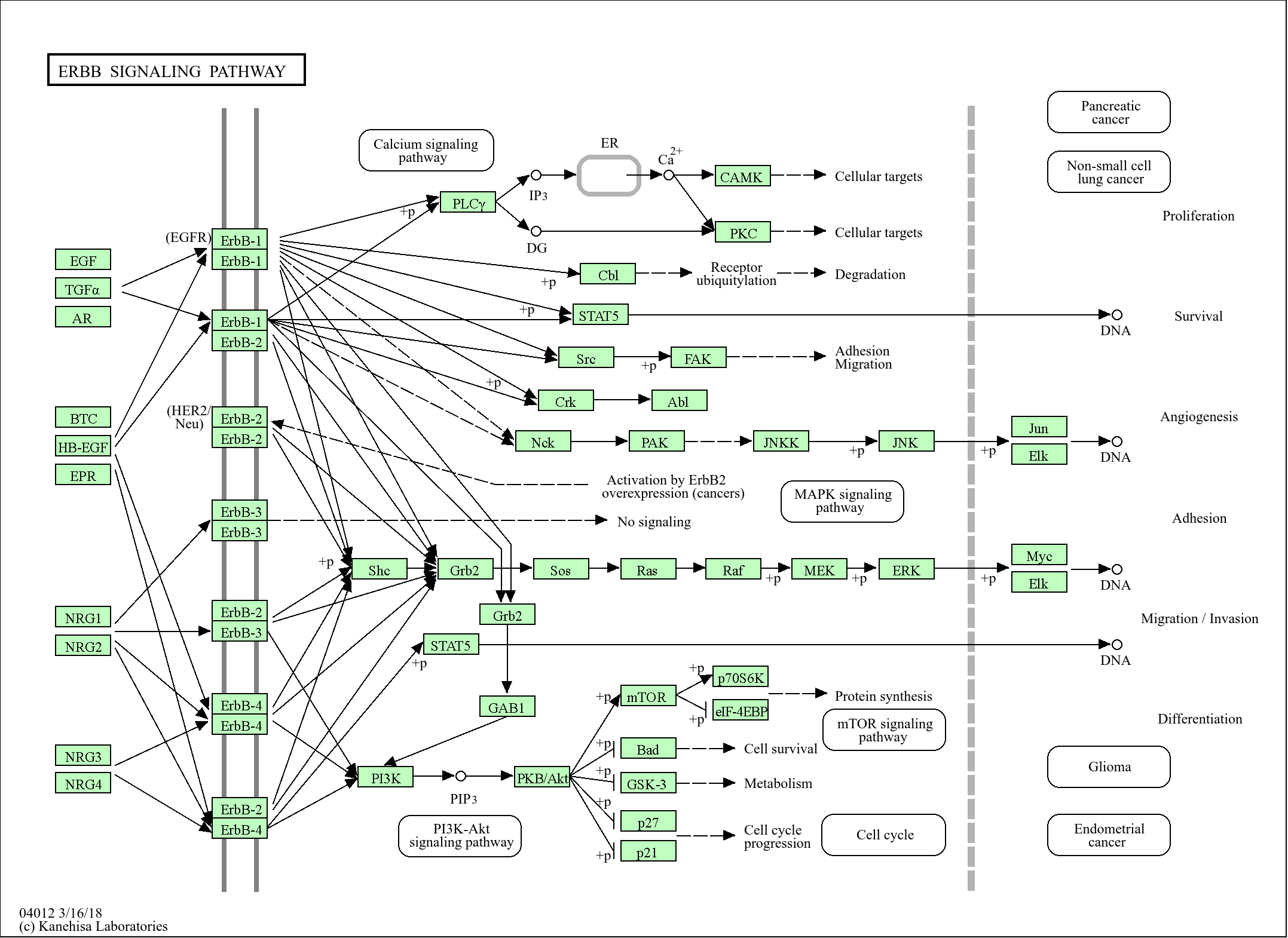
Signaling Pathway
Reference Citation({{totalcount}})
Catalog: YP1659
Size
Price
Status
Qty.
200μL
$600.00
4 weeks
0
100μL
$340.00
4 weeks
0
50μL
$190.00
4 weeks
0
Add to cart
Collected
Collect
Recently Viewed Products
Clear allPRODUCTS
CUSTOMIZED
ABOUT US



Toggle night Mode
{{pinfoXq.title || ''}}
Catalog: {{pinfoXq.catalog || ''}}
Filter:
All
{{item.name}}
{{pinfo.title}}
-{{pinfo.catalog}}
Main Information
Target
{{pinfo.target}}
Reactivity
{{pinfo.react}}
Applications
{{pinfo.applicat}}
Conjugate/Modification
{{pinfo.coupling}}/{{pinfo.modific}}
MW (kDa)
{{pinfo.mwcalc}}
Host Species
{{pinfo.hostspec}}
Isotype
{{pinfo.isotype}}
Product {{index}}/{{pcount}}
Prev
Next
{{pvTitle}}
Scroll wheel zooms the picture
{{pvDescr}}