


Catalog: YP1632
Size
Price
Status
Qty.
200μL
$600.00
3 weeks
0
100μL
$340.00
3 weeks
0
50μL
$190.00
3 weeks
0
Add to cart


Collected
Collect
Main Information
Target
PDK1 Phospho Tyr243
Host Species
Rabbit
Reactivity
Human, Mouse, Rat
Applications
WB, IHC, ELISA
MW
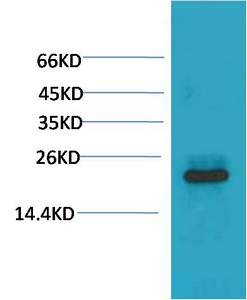
50kD (Observed)
Conjugate/Modification
phosphate
Detailed Information
Recommended Dilution Ratio
WB 1:500-2000; IHC 1:50-300; ELISA 1:2000-20000
Formulation
Liquid in PBS containing 50% glycerol, 0.5% BSA and 0.02% sodium azide.
Specificity
This antibody detects endogenous levels of Human,Mouse,Rat PDHK1 (Phospho Tyr243).The name of modified sites may be influenced by many factors, such as species (the modified site was not originally found in human samples) and the change of protein sequence (the previous protein sequence is incomplete, and the protein sequence may be prolonged with the development of protein sequencing technology). When naming, we will use the "numbers" in historical reference to keep the sites consistent with the reports. The antibody binds to the following modification sequence (lowercase letters are modification sites):Y(p)Y
Purification
The antibody was affinity-purified from rabbit serum by affinity-chromatography using specific immunogen.
Storage
-15°C to -25°C/1 year (Do not lower than -25°C)
Concentration
1 mg/ml
MW(Observed)
50kD
Modification
phosphate
Clonality
Polyclonal
Isotype
IgG
Related Products
Secondary Antibodies
Goat Anti Mouse IgG(H+L) (HRP)
RS0001
More→
Secondary Antibodies
Goat Anti Rabbit IgG(H+L) (HRP)
RS0002
More→
Primary Antibodies
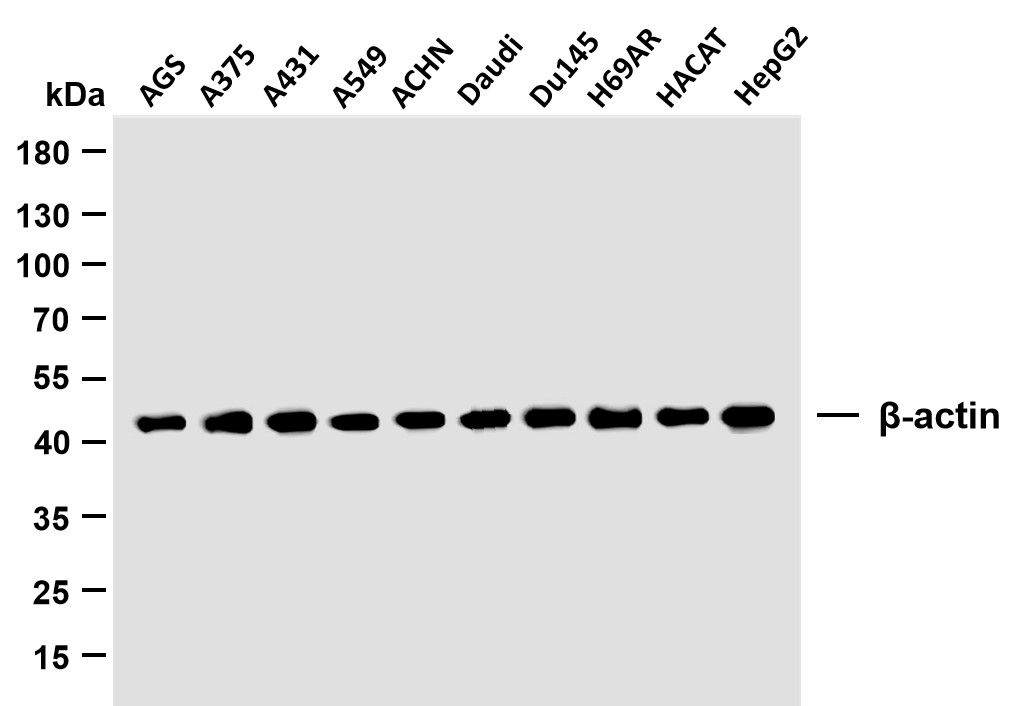
β-actin (PTR2364) Mouse mAb
YM3028
More→
Primary Antibodies
HSPB8/HSP22 (2C3) Mouse mAb
YM3525
More→
Antigen&Target Information
Immunogen:
Synthesized peptide derived from human PDHK1 (Phospho Tyr243)
show all
Specificity:
This antibody detects endogenous levels of Human,Mouse,Rat PDHK1 (Phospho Tyr243).The name of modified sites may be influenced by many factors, such as species (the modified site was not originally found in human samples) and the change of protein sequence (the previous protein sequence is incomplete, and the protein sequence may be prolonged with the development of protein sequencing technology). When naming, we will use the "numbers" in historical reference to keep the sites consistent with the reports. The antibody binds to the following modification sequence (lowercase letters are modification sites):Y(p)Y
show all
Gene Name:
PDK1 PDHK1
show all
Protein Name:
PDHK1 (Phospho Tyr243)
show all
Other Name:
[Pyruvate dehydrogenase [lipoamide]] kinase isozyme 1,mitochondrial ;
Pyruvate dehydrogenase kinase isoform 1 ;
Pyruvate dehydrogenase kinase isoform 1 ;
show all
Background:
Pyruvate dehydrogenase (PDH) is a mitochondrial multienzyme complex that catalyzes the oxidative decarboxylation of pyruvate and is one of the major enzymes responsible for the regulation of homeostasis of carbohydrate fuels in mammals. The enzymatic activity is regulated by a phosphorylation/dephosphorylation cycle. Phosphorylation of PDH by a specific pyruvate dehydrogenase kinase (PDK) results in inactivation. Multiple alternatively spliced transcript variants have been found for this gene. [provided by RefSeq , Jun 2013] ,
show all
Function:
Catalytic activity:ATP + [pyruvate dehydrogenase (acetyl-transferring) ] = ADP + [pyruvate dehydrogenase (acetyl-transferring) ] phosphate. ,Function:Inhibits the mitochondrial pyruvate dehydrogenase complex by phosphorylation of the E1 alpha subunit , thus contributing to the regulation of glucose metabolism. ,similarity:Belongs to the PDK/BCKDK protein kinase family. ,similarity:Contains 1 histidine kinase domain. ,tissue specificity:Expressed predominantly in the heart. ,
show all
Cellular Localization:
Mitochondrion matrix .
show all
Tissue Expression:
Research Areas:
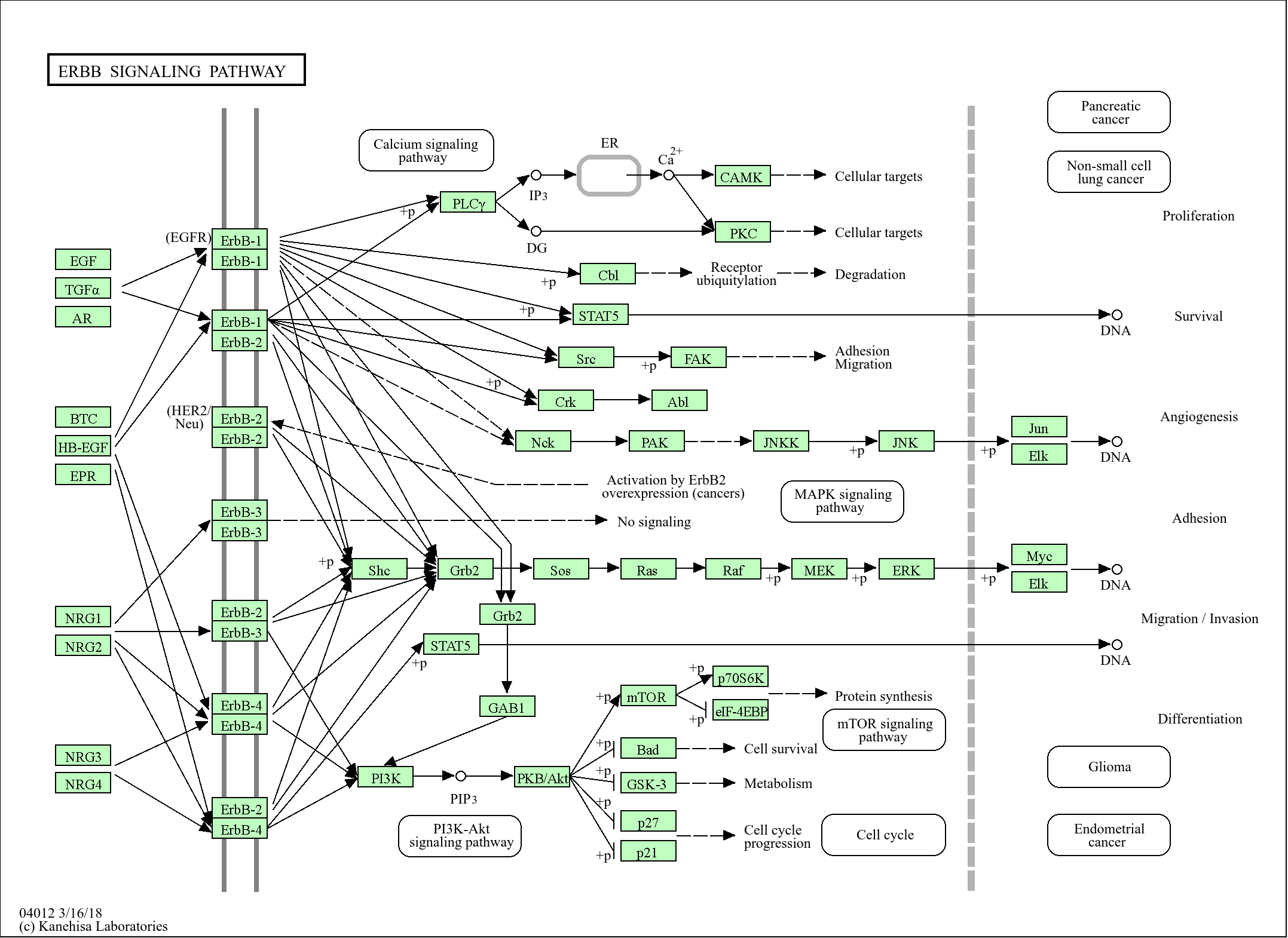
>>HIF-1 signaling pathway ;
>>Central carbon metabolism in cancer
>>Central carbon metabolism in cancer
show all
Signaling Pathway
Reference Citation({{totalcount}})
Catalog: YP1632
Size
Price
Status
Qty.
200μL
$600.00
3 weeks
0
100μL
$340.00
3 weeks
0
50μL
$190.00
3 weeks
0
Add to cart
Collected
Collect
Recently Viewed Products
Clear allPRODUCTS
CUSTOMIZED
ABOUT US



Toggle night Mode
{{pinfoXq.title || ''}}
Catalog: {{pinfoXq.catalog || ''}}
Filter:
All
{{item.name}}
{{pinfo.title}}
-{{pinfo.catalog}}
Main Information
Target
{{pinfo.target}}
Reactivity
{{pinfo.react}}
Applications
{{pinfo.applicat}}
Conjugate/Modification
{{pinfo.coupling}}/{{pinfo.modific}}
MW (kDa)
{{pinfo.mwcalc}}
Host Species
{{pinfo.hostspec}}
Isotype
{{pinfo.isotype}}
Product {{index}}/{{pcount}}
Prev
Next
{{pvTitle}}
Scroll wheel zooms the picture
{{pvDescr}}