



Catalog: YP1428
Size
Price
Status
Qty.
200μL
$600.00
4 weeks
0
100μL
$340.00
4 weeks
0
50μL
$190.00
4 weeks
0
Add to cart


Collected
Collect
Main Information
Target
Rsk-1 Phospho Thr359/Ser363
Host Species
Rabbit
Reactivity
Human, Mouse, Rat
Applications
WB
MW
83kD (Observed)
Conjugate/Modification
phosphate
Detailed Information
Recommended Dilution Ratio
WB 1:1000-2000
Formulation
Liquid in PBS containing 50% glycerol, 0.5% BSA and 0.02% sodium azide.
Specificity
This antibody detects endogenous levels of Rsk-1 only when phosphorylated at Thr359 or Ser363,and dually phosphorylated at two sites.
Purification
The antibody was affinity-purified from rabbit serum by affinity-chromatography using specific immunogen.
Storage
-15°C to -25°C/1 year (Do not lower than -25°C)
Concentration
1 mg/ml
MW(Observed)
83kD
Modification
phosphate
Clonality
Polyclonal
Isotype
IgG
Related Products
Secondary Antibodies
Goat Anti Mouse IgG(H+L) (HRP)
RS0001
More→
Secondary Antibodies
Goat Anti Rabbit IgG(H+L) (HRP)
RS0002
More→
Primary Antibodies
β-actin (PTR2364) Mouse mAb
YM3028
More→
Primary Antibodies
GAPDH (PTR2304) Mouse mAb
YM3029
More→
Antigen&Target Information
Immunogen:
Synthesized phosho peptide around human p90RSK (Thr359 and Ser363)
show all
Specificity:
This antibody detects endogenous levels of Rsk-1 only when phosphorylated at Thr359 or Ser363,and dually phosphorylated at two sites.
show all
Gene Name:
RPS6KA1 MAPKAPK1A RSK1
show all
Protein Name:
p90RSK (Thr359/Ser363)
show all
Other Name:
RPS6KA1 ;
MAPKAPK1A ;
RSK1 ;
Ribosomal protein S6 kinase alpha-1 ;
S6K-alpha-1 ;
90 kDa ribosomal protein S6 kinase 1 ;
p90-RSK 1 ;
p90RSK1 ;
p90S6K ;
MAP kinase-activated protein kinase 1a ;
MAPK-activated protein kinase 1a ;
MAPKAP kinase 1a ;
MAPKAP
MAPKAPK1A ;
RSK1 ;
Ribosomal protein S6 kinase alpha-1 ;
S6K-alpha-1 ;
90 kDa ribosomal protein S6 kinase 1 ;
p90-RSK 1 ;
p90RSK1 ;
p90S6K ;
MAP kinase-activated protein kinase 1a ;
MAPK-activated protein kinase 1a ;
MAPKAP kinase 1a ;
MAPKAP
show all
Background:
ribosomal protein S6 kinase A1 (RPS6KA1) Homo sapiens This gene encodes a member of the RSK (ribosomal S6 kinase) family of serine/threonine kinases. This kinase contains 2 nonidentical kinase catalytic domains and phosphorylates various substrates , including members of the mitogen-activated kinase (MAPK) signalling pathway. The activity of this protein has been implicated in controlling cell growth and differentiation. Alternate transcriptional splice variants , encoding different isoforms , have been characterized. [provided by RefSeq , Jul 2008] ,
show all
Function:
Catalytic activity:ATP + a protein = ADP + a phosphoprotein. ,Caution:The sequence shown here is derived from an Ensembl automatic analysis pipeline and should be considered as preliminary data. ,cofactor:Magnesium. ,enzyme regulation:Activated by multiple phosphorylations on threonine and serine residues. ,Function:Serine/threonine kinase that may play a role in mediating the growth-factor and stress induced activation of the transcription factor CREB. ,PTM:Autophosphorylated on Ser-380 , as part of the activation process. ,similarity:Belongs to the protein kinase superfamily. ,similarity:Belongs to the protein kinase superfamily. AGC Ser/Thr protein kinase family. S6 kinase subfamily. ,similarity:Contains 1 AGC-kinase C-terminal domain. ,similarity:Contains 2 protein kinase domains. ,subunit:Forms a complex with either ERK1 or ERK2 in quiescent cells. Transiently dissociates following mitogenic stimulation. ,
show all
Cellular Localization:
Nucleus. Cytoplasm.
show all
Tissue Expression:
show all
Research Areas:
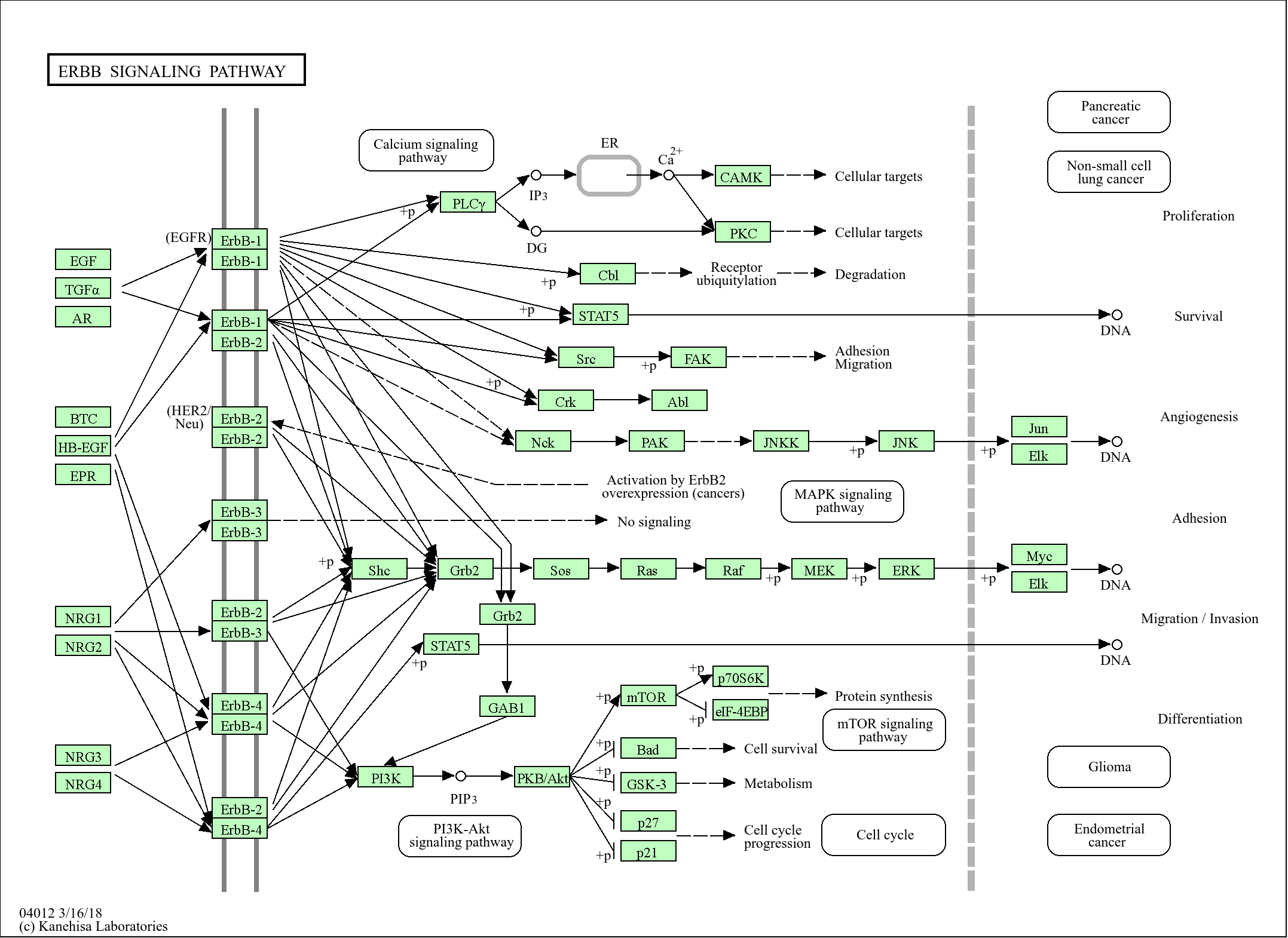
>>MAPK signaling pathway ;
>>Oocyte meiosis ;
>>mTOR signaling pathway ;
>>Thermogenesis ;
>>Long-term potentiation ;
>>Neurotrophin signaling pathway ;
>>Progesterone-mediated oocyte maturation ;
>>Insulin resistance ;
>>Yersinia infection ;
>>Chemical carcinogenesis - receptor activation
>>Oocyte meiosis ;
>>mTOR signaling pathway ;
>>Thermogenesis ;
>>Long-term potentiation ;
>>Neurotrophin signaling pathway ;
>>Progesterone-mediated oocyte maturation ;
>>Insulin resistance ;
>>Yersinia infection ;
>>Chemical carcinogenesis - receptor activation
show all
Signaling Pathway
Reference Citation({{totalcount}})
Catalog: YP1428
Size
Price
Status
Qty.
200μL
$600.00
4 weeks
0
100μL
$340.00
4 weeks
0
50μL
$190.00
4 weeks
0
Add to cart
Collected
Collect
Recently Viewed Products
Clear allPRODUCTS
CUSTOMIZED
ABOUT US



Toggle night Mode
{{pinfoXq.title || ''}}
Catalog: {{pinfoXq.catalog || ''}}
Filter:
All
{{item.name}}
{{pinfo.title}}
-{{pinfo.catalog}}
Main Information
Target
{{pinfo.target}}
Reactivity
{{pinfo.react}}
Applications
{{pinfo.applicat}}
Conjugate/Modification
{{pinfo.coupling}}/{{pinfo.modific}}
MW (kDa)
{{pinfo.mwcalc}}
Host Species
{{pinfo.hostspec}}
Isotype
{{pinfo.isotype}}
Product {{index}}/{{pcount}}
Prev
Next
{{pvTitle}}
Scroll wheel zooms the picture
{{pvDescr}}