


Catalog: YP1377
Size
Price
Status
Qty.
200μL
$600.00
3 weeks
0
100μL
$340.00
3 weeks
0
50μL
$190.00
3 weeks
0
Add to cart


Collected
Collect
Main Information
Target
Cytokeratin 17 Phospho Ser44
Host Species
Rabbit
Reactivity
Human, Mouse, Rat
Applications
WB, IHC, ELISA
MW
48kD (Observed)
Conjugate/Modification
phosphate
Detailed Information
Recommended Dilution Ratio
WB 1:500-2000; IHC 1:50-300; ELISA 1:2000-20000
Formulation
Liquid in PBS containing 50% glycerol, 0.5% BSA and 0.02% sodium azide.
Specificity
This antibody detects endogenous levels of Human Keratin 17 (phospho-Ser44)
Purification
The antibody was affinity-purified from rabbit serum by affinity-chromatography using specific immunogen.
Storage
-15°C to -25°C/1 year (Do not lower than -25°C)
Concentration
1 mg/ml
MW(Observed)
48kD
Modification
phosphate
Clonality
Polyclonal
Isotype
IgG
Related Products
Secondary Antibodies
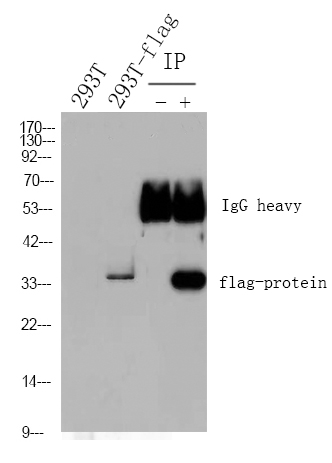
Goat Anti Mouse IgG(H+L) (HRP)
RS0001
More→
Secondary Antibodies
Goat Anti Rabbit IgG(H+L) (HRP)
RS0002
More→
Primary Antibodies
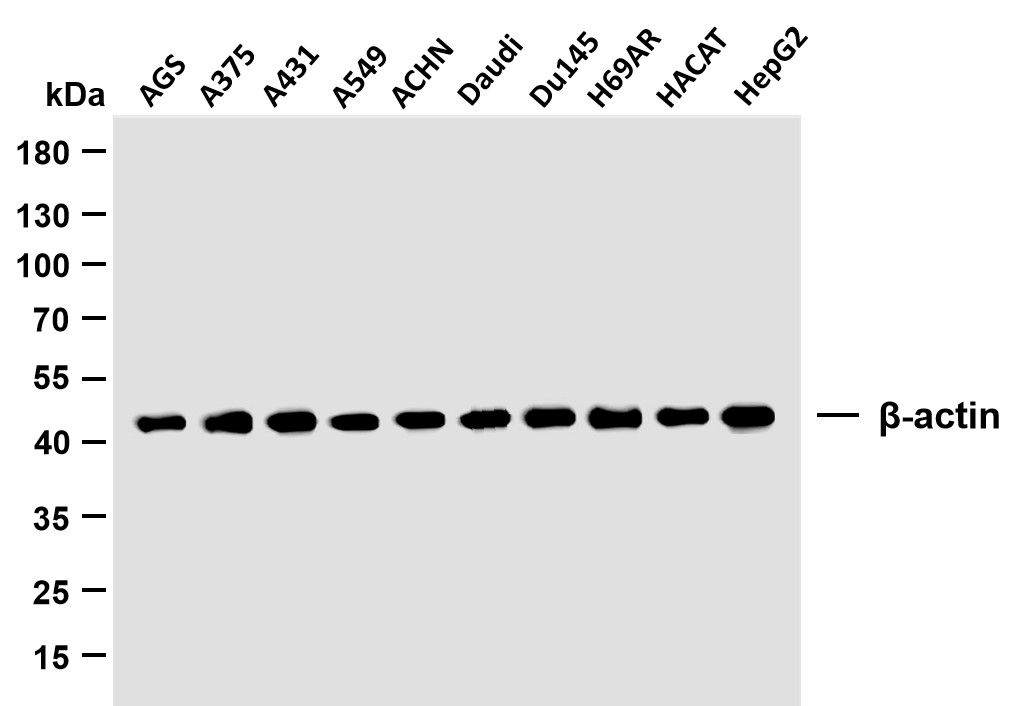
β-actin (PTR2364) Mouse mAb
YM3028
More→
Primary Antibodies
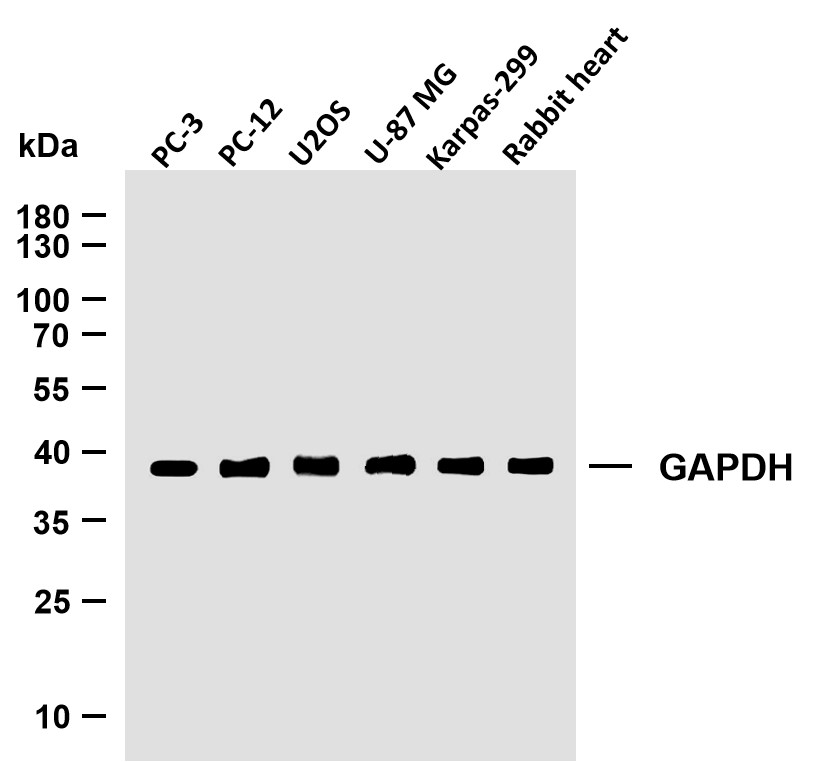
GAPDH (PTR2304) Mouse mAb
YM3029
More→
Antigen&Target Information
Immunogen:
Synthesized phosho peptide around human Keratin 17 (Ser44)
show all
Specificity:
This antibody detects endogenous levels of Human Keratin 17 (phospho-Ser44)
show all
Gene Name:
KRT17
show all
Protein Name:
Keratin 17 (Ser44)
show all
Other Name:
Keratin,type I cytoskeletal 17 ;
39.1 ;
Cytokeratin-17 ;
CK-17 ;
Keratin-17 ;
K17 ;
39.1 ;
Cytokeratin-17 ;
CK-17 ;
Keratin-17 ;
K17 ;
show all
Database Link:
Background:
This gene encodes the type I intermediate filament chain keratin 17 , expressed in nail bed , hair follicle , sebaceous glands , and other epidermal appendages. Mutations in this gene lead to Jackson-Lawler type pachyonychia congenita and steatocystoma multiplex. [provided by RefSeq , Aug 2008] ,
show all
Function:
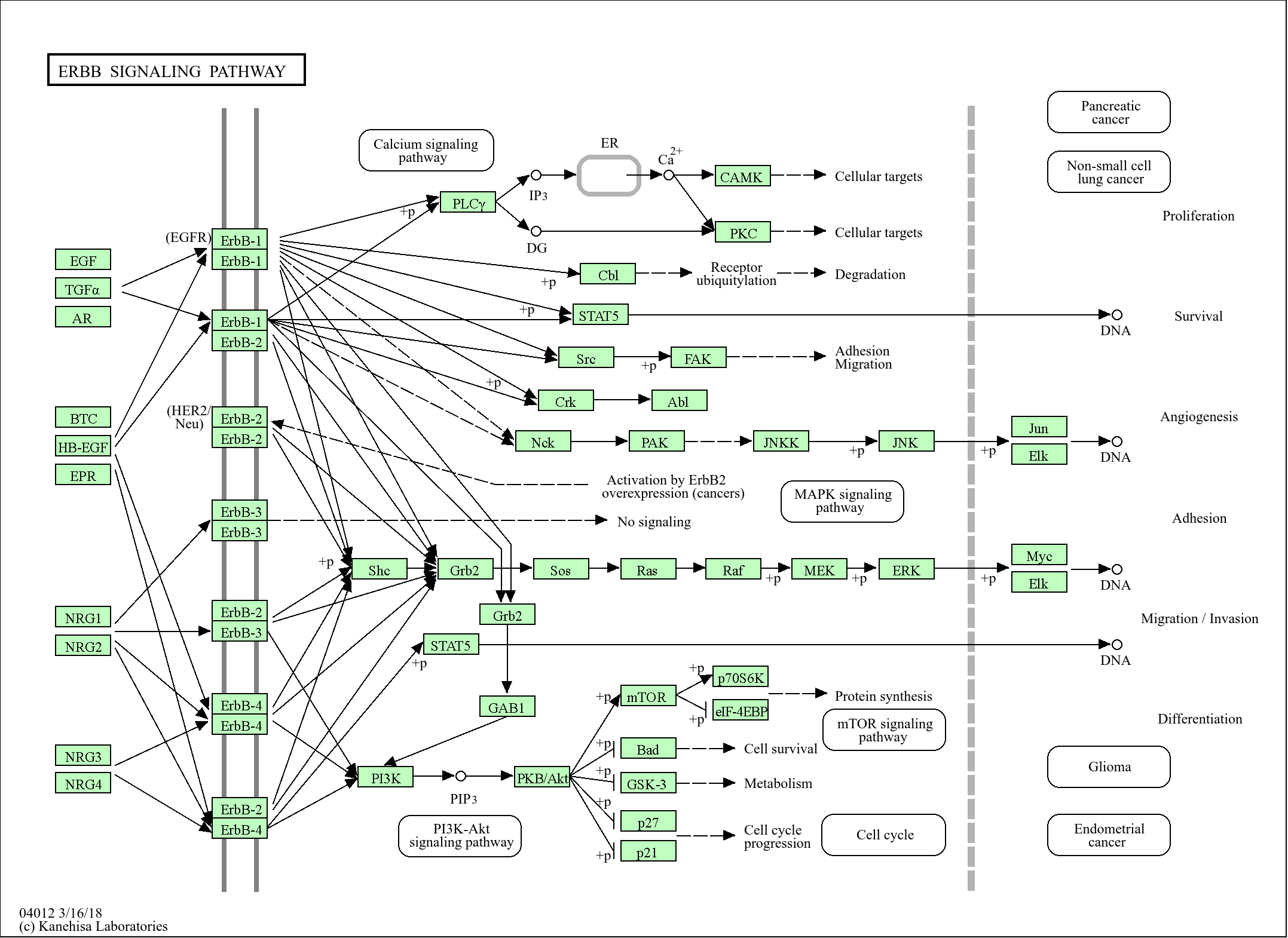
Disease:Defects in KRT17 are a cause of pachyonychia congenita type 2 (PC2) [MIM:167210]; also known as pachyonychia congenita Jackson-Lawler type. PC2 is an autosomal dominant ectodermal dysplasia characterized by hypertrophic nail dystrophy resulting in onchyogryposis (thickening and increase in curvature of the nail) , palmoplantar keratoderma and hyperhidrosis , follicular hyperkeratosis , multiple epidermal cysts , absent/sparse eyebrow and body hair , and by the presence of natal teeth. ,Disease:Defects in KRT17 are a cause of steatocystoma multiplex (SM) [MIM:184500]. SM is a disease characterized by round or oval cystic tumors widely distributed on the back , anterior trunk , arms , scrotum , and thighs. ,Disease:KRT16 and KRT17 are coexpressed only in pathological situations such as metaplasias and carcinomas of the uterine cervix and in psoriasis vulgaris. ,Function:May play a role in the formation and maintenance of various skin appendages , specifically in determining shape and orientation of hair. May be a marker of basal cell differentiation in complex epithelia and therefore indicative of a certain type of epithelial "stem cells". May act as an autoantigen in the immunopathogenesis of psoriasis , with certain peptide regions being a major target for autoreactive T-cells and hence causing their proliferation. Required for the correct growth of hair follicles , in particular for the persistence of the anagen (growth) state. Modulates the function of TNF-alpha in the specific context of hair cycling. Regulates protein synthesis and epithelial cell growth through binding to the adapter protein SFN and by stimulating Akt/mTOR pathway. Involved in tissue repair. ,induction:Induced in damaged or stressed epidermis. Induced by the cytokines interferon-gamma (IFN-gamma) , tumor necrosis factor alpha (TNF-alpha) and transforming growth factor-alpha (TGF-alpha) , and by the potent NF-kappa B inhibitor compounds Bay 11-7082 and Bay 11-7085. Down-regulated by the drug Imatinib. ,miscellaneous:There are two types of cytoskeletal and microfibrillar keratin: I (acidic; 40-55 kDa) and II (neutral to basic; 56-70 kDa) . ,online information:Keratin-17 entry ,similarity:Belongs to the intermediate filament family. ,subunit:Heterodimer of a type I and a type II keratin. KRT17 associates with KRT6 isomers. Interacts with TRADD and SFN. ,tissue specificity:Expressed in the outer root sheath and medulla region of hair follicle specifically from eyebrow and beard , digital pulp , nail matrix and nail bed epithelium , mucosal stratified squamous epithelia and in basal cells of oral epithelium , palmoplantar epidermis and sweat and mammary glands. Also expressed in myoepithelium of prostate , basal layer of urinary bladder , cambial cells of sebaceous gland and in exocervix (at protein level) . ,
show all
Cellular Localization:
Cytoplasm .
show all
Research Areas:
>>Estrogen signaling pathway ;
>>Staphylococcus aureus infection
>>Staphylococcus aureus infection
show all
Signaling Pathway
Reference Citation({{totalcount}})
Catalog: YP1377
Size
Price
Status
Qty.
200μL
$600.00
3 weeks
0
100μL
$340.00
3 weeks
0
50μL
$190.00
3 weeks
0
Add to cart
Collected
Collect
Recently Viewed Products
Clear allPRODUCTS
CUSTOMIZED
ABOUT US



Toggle night Mode
{{pinfoXq.title || ''}}
Catalog: {{pinfoXq.catalog || ''}}
Filter:
All
{{item.name}}
{{pinfo.title}}
-{{pinfo.catalog}}
Main Information
Target
{{pinfo.target}}
Reactivity
{{pinfo.react}}
Applications
{{pinfo.applicat}}
Conjugate/Modification
{{pinfo.coupling}}/{{pinfo.modific}}
MW (kDa)
{{pinfo.mwcalc}}
Host Species
{{pinfo.hostspec}}
Isotype
{{pinfo.isotype}}
Product {{index}}/{{pcount}}
Prev
Next
{{pvTitle}}
Scroll wheel zooms the picture
{{pvDescr}}