



Catalog: YP1202
Size
Price
Status
Qty.
200μL
$600.00
3 weeks
0
100μL
$340.00
3 weeks
0
50μL
$190.00
3 weeks
0
Add to cart


Collected
Collect
Main Information
Target
MLK3 Phospho Ser674
Host Species
Rabbit
Reactivity
Human, Mouse, Rat
Applications
WB, IHC
MW
93kD (Calculated)
Conjugate/Modification
phosphate
Detailed Information
Recommended Dilution Ratio
WB 1:500-2000; IHC 1:50-300
Formulation
Liquid in PBS containing 50% glycerol, 0.5% BSA and 0.02% sodium azide.
Specificity
Phospho-MLK3 (S674) Polyclonal Antibody detects endogenous levels of MLK3 protein only when phosphorylated at S674.The name of modified sites may be influenced by many factors, such as species (the modified site was not originally found in human samples) and the change of protein sequence (the previous protein sequence is incomplete, and the protein sequence may be prolonged with the development of protein sequencing technology). When naming, we will use the "numbers" in historical reference to keep the sites consistent with the reports. The antibody binds to the following modification sequence (lowercase letters are modification sites):GEsPT
Purification
The antibody was affinity-purified from rabbit antiserum by affinity-chromatography using epitope-specific immunogen.
Storage
-15°C to -25°C/1 year (Do not lower than -25°C)
Concentration
1 mg/ml
MW(Calculated)
93kD
Modification
phosphate
Clonality
Polyclonal
Isotype
IgG
Related Products
Secondary Antibodies
Goat Anti Mouse IgG(H+L) (HRP)
RS0001
More→
Secondary Antibodies
Goat Anti Rabbit IgG(H+L) (HRP)
RS0002
More→
Primary Antibodies
β-actin (PTR2364) Mouse mAb
YM3028
More→
Primary Antibodies
GAPDH (PTR2304) Mouse mAb
YM3029
More→
Antigen&Target Information
Immunogen:
Synthesized phospho-peptide around the phosphorylation site of human MLK3 (phospho Ser674)
show all
Specificity:
Phospho-MLK3 (S674) Polyclonal Antibody detects endogenous levels of MLK3 protein only when phosphorylated at S674.The name of modified sites may be influenced by many factors, such as species (the modified site was not originally found in human samples) and the change of protein sequence (the previous protein sequence is incomplete, and the protein sequence may be prolonged with the development of protein sequencing technology). When naming, we will use the "numbers" in historical reference to keep the sites consistent with the reports. The antibody binds to the following modification sequence (lowercase letters are modification sites):GEsPT
show all
Gene Name:
MAP3K11
show all
Protein Name:
Mitogen-activated protein kinase kinase kinase 11
show all
Other Name:
MAP3K11 ;
MLK3 ;
PTK1 ;
SPRK ;
Mitogen-activated protein kinase kinase kinase 11 ;
Mixed lineage kinase 3 ;
Src-homology 3 domain-containing proline-rich kinase
MLK3 ;
PTK1 ;
SPRK ;
Mitogen-activated protein kinase kinase kinase 11 ;
Mixed lineage kinase 3 ;
Src-homology 3 domain-containing proline-rich kinase
show all
Database Link:
Background:
The protein encoded by this gene is a member of the serine/threonine kinase family. This kinase contains a SH3 domain and a leucine zipper-basic motif. This kinase preferentially activates MAPK8/JNK kinase , and functions as a positive regulator of JNK signaling pathway. This kinase can directly phosphorylate , and activates IkappaB kinase alpha and beta , and is found to be involved in the transcription activity of NF-kappaB mediated by Rho family GTPases and CDC42. [provided by RefSeq , Jul 2008] ,
show all
Function:
Catalytic activity:ATP + a protein = ADP + a phosphoprotein. ,cofactor:Magnesium. ,enzyme regulation:Homodimerization via the leucine zipper domains is required for autophosphorylation and subsequent activation. ,Function:Activates the JUN N-terminal pathway. Required for serum-stimulated cell proliferation and for mitogen and cytokine activation of MAPK14 (p38) , MAPK3 (ERK) and MAPK8 (JNK1) . Plays a role in mitogen-stimulated phosphorylation and activation of BRAF , but does not phosphorylate BRAF directly. Influences microtubule organization during the cell cycle. ,PTM:Autophosphorylation on serine and threonine residues within the activation loop plays a role in enzyme activation. Thr-277 is likely to be the main autophosphorylation site. Phosphorylation of Ser-555 and Ser-556 is induced by CDC42. ,similarity:Belongs to the protein kinase superfamily. STE Ser/Thr protein kinase family. MAP kinase kinase kinase subfamily. ,similarity:Contains 1 protein kinase domain. ,similarity:Contains 1 SH3 domain. ,subcellular location:Location is cell cycle dependent. ,subunit:Homodimer; undergoes dimerization during activation. ,tissue specificity:Expressed in a wide variety of normal and neoplastic tissues including fetal lung , liver , heart and kidney , and adult lung , liver , heart , kidney , placenta , skeletal muscle , pancreas and brain. ,
show all
Cellular Localization:
Cytoplasm , cytoskeleton , microtubule organizing center , centrosome . Location is cell cycle dependent.
show all
Tissue Expression:
Research Areas:
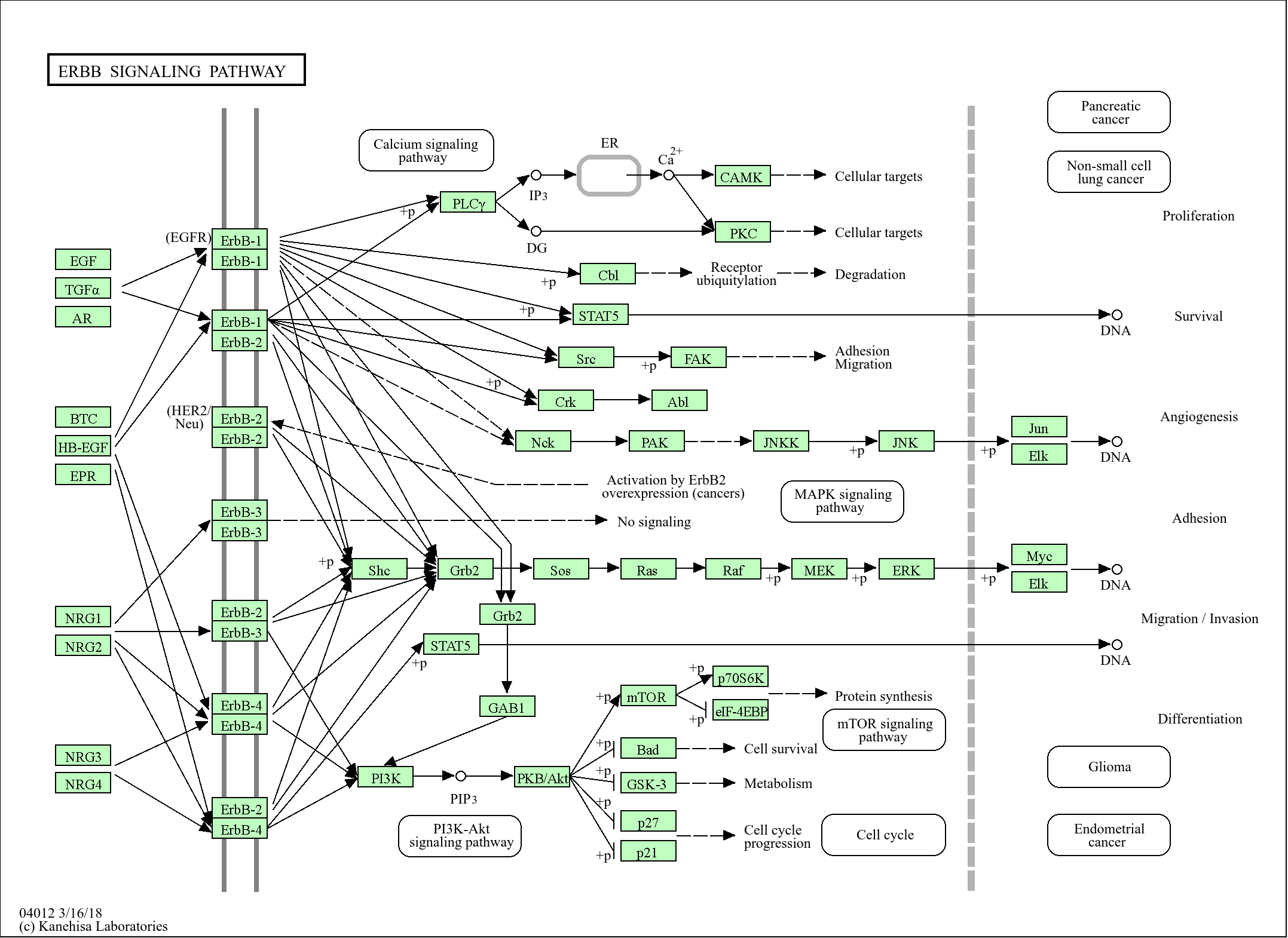
>>MAPK signaling pathway ;
>>Non-alcoholic fatty liver disease
>>Non-alcoholic fatty liver disease
show all
Signaling Pathway
Reference Citation({{totalcount}})
Catalog: YP1202
Size
Price
Status
Qty.
200μL
$600.00
3 weeks
0
100μL
$340.00
3 weeks
0
50μL
$190.00
3 weeks
0
Add to cart
Collected
Collect
Recently Viewed Products
Clear allPRODUCTS
CUSTOMIZED
ABOUT US



Toggle night Mode
{{pinfoXq.title || ''}}
Catalog: {{pinfoXq.catalog || ''}}
Filter:
All
{{item.name}}
{{pinfo.title}}
-{{pinfo.catalog}}
Main Information
Target
{{pinfo.target}}
Reactivity
{{pinfo.react}}
Applications
{{pinfo.applicat}}
Conjugate/Modification
{{pinfo.coupling}}/{{pinfo.modific}}
MW (kDa)
{{pinfo.mwcalc}}
Host Species
{{pinfo.hostspec}}
Isotype
{{pinfo.isotype}}
Product {{index}}/{{pcount}}
Prev
Next
{{pvTitle}}
Scroll wheel zooms the picture
{{pvDescr}}