
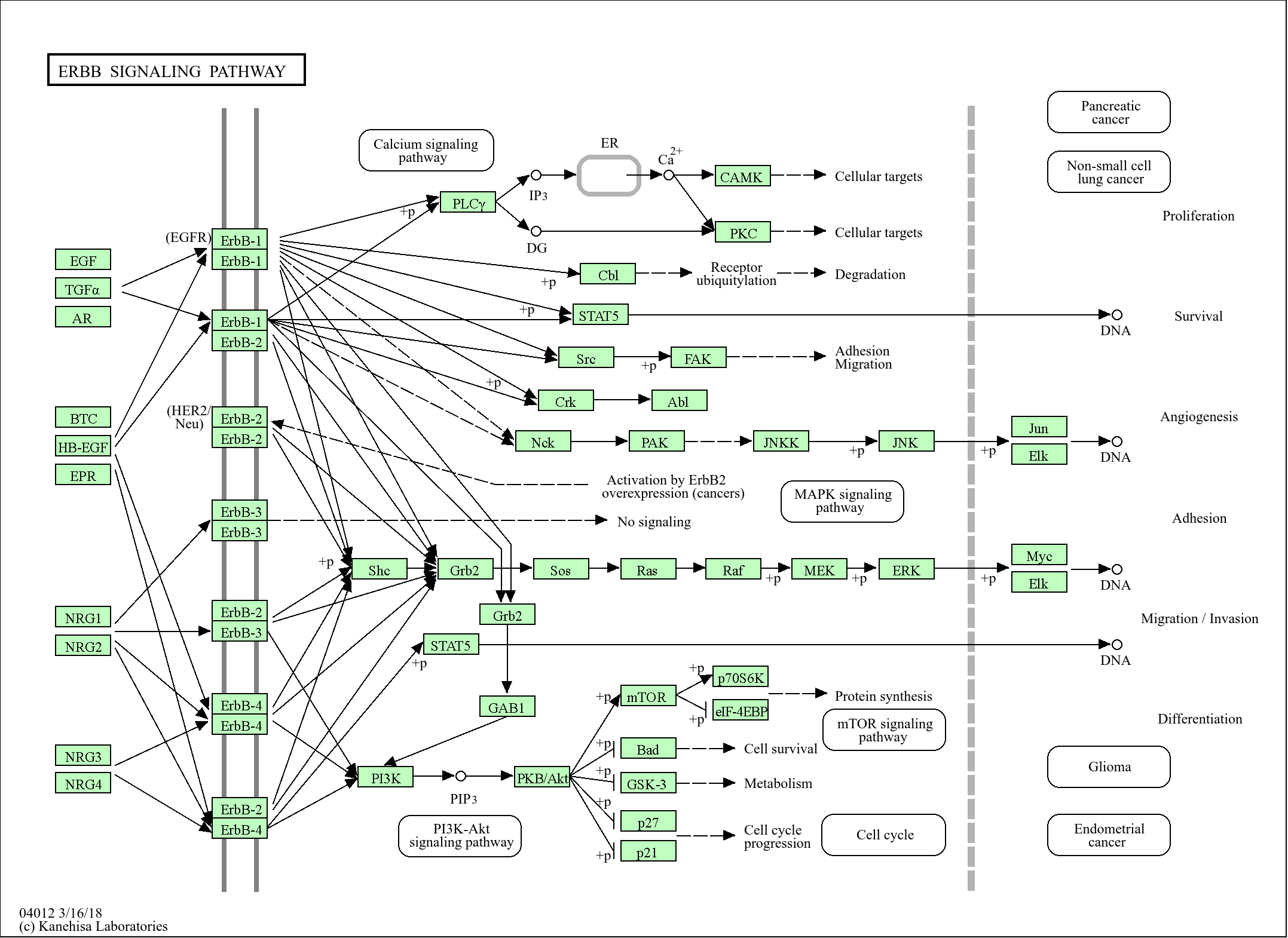





Catalog: YP0936
Size
Price
Status
Qty.
200μL
$600.00
3 weeks
0
100μL
$340.00
3 weeks
0
50μL
$190.00
3 weeks
0
Add to cart


Collected
Collect
Main Information
Target
IL-8Rβ Phospho Ser347
Host Species
Rabbit
Reactivity
Human
Applications
WB, IHC, IF, ELISA
MW
48kD (Observed)
Conjugate/Modification
phosphate
Detailed Information
Recommended Dilution Ratio
WB 1:500-1:2000; IHC 1:100-1:300; IF 1:200-1:1000; ELISA 1:10000; Not yet tested in other applications.
Formulation
Liquid in PBS containing 50% glycerol, 0.5% BSA and 0.02% sodium azide.
Specificity
Phospho-IL-8Rβ (S347) Polyclonal Antibody detects endogenous levels of IL-8Rβ protein only when phosphorylated at S347.The name of modified sites may be influenced by many factors, such as species (the modified site was not originally found in human samples) and the change of protein sequence (the previous protein sequence is incomplete, and the protein sequence may be prolonged with the development of protein sequencing technology). When naming, we will use the "numbers" in historical reference to keep the sites consistent with the reports. The antibody binds to the following modification sequence (lowercase letters are modification sites):RPsFV
Purification
The antibody was affinity-purified from rabbit antiserum by affinity-chromatography using epitope-specific immunogen.
Storage
-15°C to -25°C/1 year (Do not lower than -25°C)
Concentration
1 mg/ml
MW(Observed)
48kD
Modification
phosphate
Clonality
Polyclonal
Isotype
IgG
Related Products
Secondary Antibodies
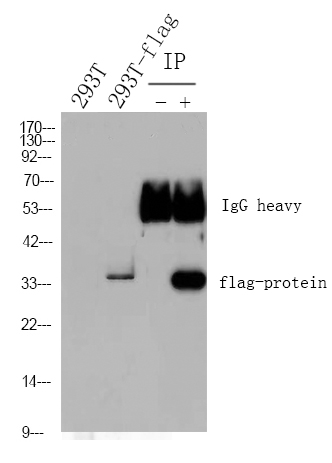
Goat Anti Mouse IgG(H+L) (HRP)
RS0001
More→
Secondary Antibodies
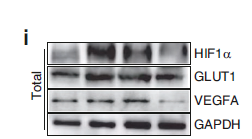
Goat Anti Rabbit IgG(H+L) (HRP)
RS0002
More→
Primary Antibodies
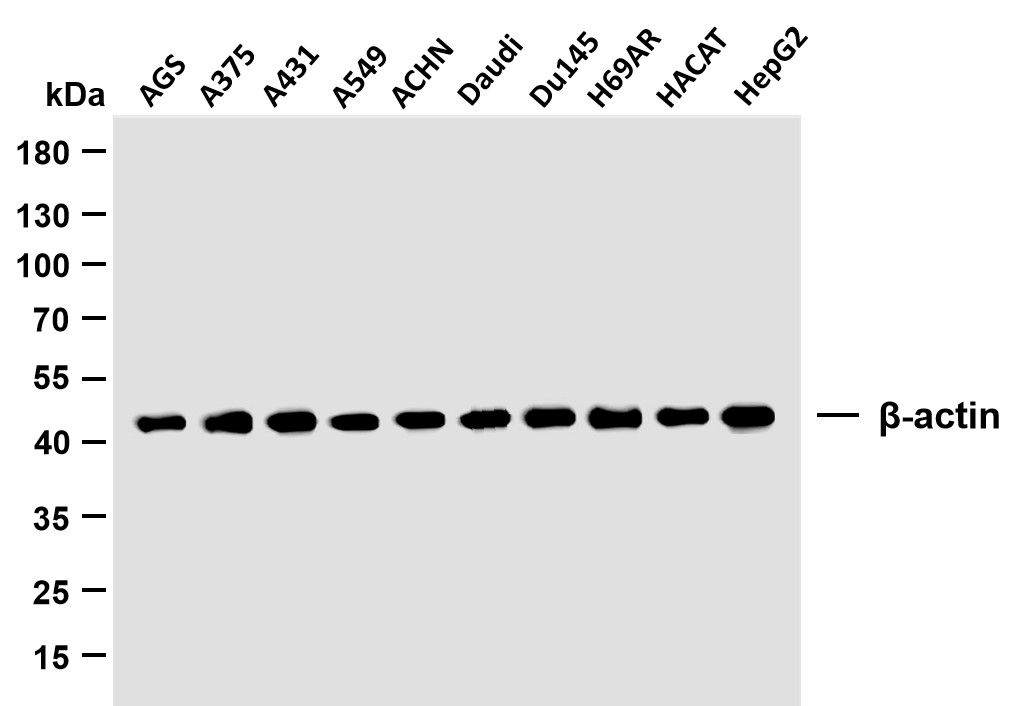
β-actin (PTR2364) Mouse mAb
YM3028
More→
Primary Antibodies
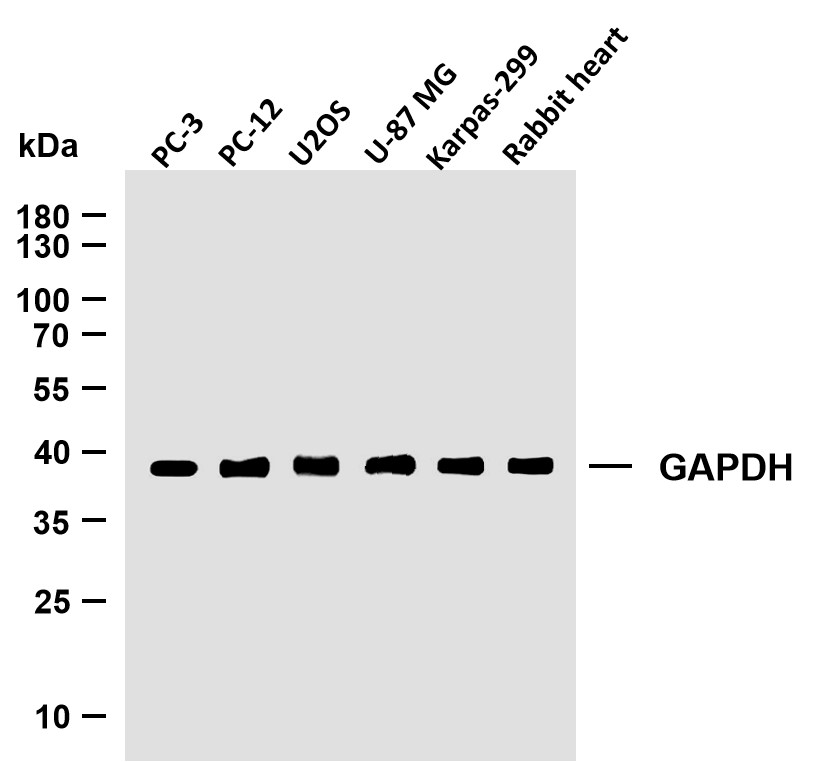
GAPDH (PTR2304) Mouse mAb
YM3029
More→
Antigen&Target Information
Immunogen:
The antiserum was produced against synthesized peptide derived from human IL-8R beta/CDw128 beta around the phosphorylation site of Ser347. AA range:311-360
show all
Specificity:
Phospho-IL-8Rβ (S347) Polyclonal Antibody detects endogenous levels of IL-8Rβ protein only when phosphorylated at S347.The name of modified sites may be influenced by many factors, such as species (the modified site was not originally found in human samples) and the change of protein sequence (the previous protein sequence is incomplete, and the protein sequence may be prolonged with the development of protein sequencing technology). When naming, we will use the "numbers" in historical reference to keep the sites consistent with the reports. The antibody binds to the following modification sequence (lowercase letters are modification sites):RPsFV
show all
Gene Name:
CXCR2
show all
Protein Name:
C-X-C chemokine receptor type 2
show all
Other Name:
CXCR2 ;
IL8RB ;
C-X-C chemokine receptor type 2 ;
CXC-R2 ;
CXCR-2 ;
CDw128b ;
GRO/MGSA receptor ;
High affinity interleukin-8 receptor B ;
IL-8R B ;
IL-8 receptor type 2 ;
CD antigen CD182
IL8RB ;
C-X-C chemokine receptor type 2 ;
CXC-R2 ;
CXCR-2 ;
CDw128b ;
GRO/MGSA receptor ;
High affinity interleukin-8 receptor B ;
IL-8R B ;
IL-8 receptor type 2 ;
CD antigen CD182
show all
Background:
C-X-C motif chemokine receptor 2 (CXCR2) Homo sapiens The protein encoded by this gene is a member of the G-protein-coupled receptor family. This protein is a receptor for interleukin 8 (IL8) . It binds to IL8 with high affinity , and transduces the signal through a G-protein activated second messenger system. This receptor also binds to chemokine (C-X-C motif) ligand 1 (CXCL1/MGSA) , a protein with melanoma growth stimulating activity , and has been shown to be a major component required for serum-dependent melanoma cell growth. This receptor mediates neutrophil migration to sites of inflammation. The angiogenic effects of IL8 in intestinal microvascular endothelial cells are found to be mediated by this receptor. Knockout studies in mice suggested that this receptor controls the positioning of oligodendrocyte precursors in developing spinal cord by arresting their migration. This gene , IL8RA , a gene encoding another high affinity IL8 receptor , as
show all
Function:
Function:Receptor for interleukin-8 which is a powerful neutrophil chemotactic factor. Binding of IL-8 to the receptor causes activation of neutrophils. This response is mediated via a G-protein that activates a phosphatidylinositol-calcium second messenger system. Binds to IL-8 with high affinity. Also binds with high affinity to CXCL3 , GRO/MGSA and NAP-2. ,online information:CXC chemokine receptors entry ,PTM:Phosphorylated upon ligand binding; which is required for desensitization. ,similarity:Belongs to the G-protein coupled receptor 1 family. ,
show all
Cellular Localization:
Cell membrane; Multi-pass membrane protein.
show all
Tissue Expression:
show all
Research Areas:
>>Cytokine-cytokine receptor interaction ;
>>Viral protein interaction with cytokine and cytokine receptor ;
>>Chemokine signaling pathway ;
>>Phospholipase D signaling pathway ;
>>Endocytosis ;
>>Epithelial cell signaling in Helicobacter pylori infection ;
>>Human cytomegalovirus infection
>>Viral protein interaction with cytokine and cytokine receptor ;
>>Chemokine signaling pathway ;
>>Phospholipase D signaling pathway ;
>>Endocytosis ;
>>Epithelial cell signaling in Helicobacter pylori infection ;
>>Human cytomegalovirus infection
show all
Signaling Pathway
Organismal Systems >> Immune system >> Chemokine signaling pathway
Environmental Information Processing >> Signal transduction >> Phospholipase D signaling pathway
Environmental Information Processing >> Signaling molecules and interaction >> Cytokine-cytokine receptor interaction
Environmental Information Processing >> Signaling molecules and interaction >> Viral protein interaction with cytokine and cytokine receptor
Reference Citation({{totalcount}})
Catalog: YP0936
Size
Price
Status
Qty.
200μL
$600.00
3 weeks
0
100μL
$340.00
3 weeks
0
50μL
$190.00
3 weeks
0
Add to cart
Collected
Collect
Recently Viewed Products
Clear allPRODUCTS
CUSTOMIZED
ABOUT US



Toggle night Mode
{{pinfoXq.title || ''}}
Catalog: {{pinfoXq.catalog || ''}}
Filter:
All
{{item.name}}
{{pinfo.title}}
-{{pinfo.catalog}}
Main Information
Target
{{pinfo.target}}
Reactivity
{{pinfo.react}}
Applications
{{pinfo.applicat}}
Conjugate/Modification
{{pinfo.coupling}}/{{pinfo.modific}}
MW (kDa)
{{pinfo.mwcalc}}
Host Species
{{pinfo.hostspec}}
Isotype
{{pinfo.isotype}}
Product {{index}}/{{pcount}}
Prev
Next
{{pvTitle}}
Scroll wheel zooms the picture
{{pvDescr}}