


Catalog: YP0865
Size
Price
Status
Qty.
200μL
$600.00
3 weeks
0
100μL
$340.00
3 weeks
0
50μL
$190.00
3 weeks
0
Add to cart


Collected
Collect
Main Information
Target
HER2 Phospho Tyr1221/1222
Host Species
Rabbit
Reactivity
Human, Mouse, Rat, Monkey
Applications
WB, IHC, IF, ELISA
MW
180kD (Observed)
Conjugate/Modification
phosphate
Detailed Information
Recommended Dilution Ratio
WB 1:500-1:2000; IHC 1:100-1:300; IF 1:200-1:1000; ELISA 1:40000; Not yet tested in other applications.
Formulation
Liquid in PBS containing 50% glycerol, 0.5% BSA and 0.02% sodium azide.
Specificity
This antibody detects endogenous levels of HER2 only when phosphorylated at Human:Y1221/1222, Mouse:Y1222/1222, Rat:Y1223/1224.and dually phosphorylated at two sites.The name of modified sites may be influenced by many factors, such as species (the modified site was not originally found in human samples) and the change of protein sequence (the previous protein sequence is incomplete, and the protein sequence may be prolonged with the development of protein sequencing technology). When naming, we will use the "numbers" in historical reference to keep the sites consistent with the reports. The antibody binds to the following modification sequence (lowercase letters are modification sites):LyyWD
Purification
The antibody was affinity-purified from rabbit antiserum by affinity-chromatography using epitope-specific immunogen.
Storage
-15°C to -25°C/1 year (Do not lower than -25°C)
Concentration
1 mg/ml
MW(Observed)
180kD
Modification
phosphate
Clonality
Polyclonal
Isotype
IgG
Related Products
Secondary Antibodies
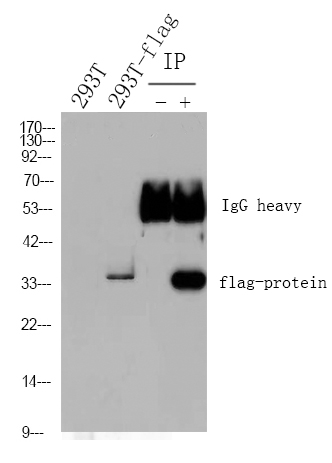
Goat Anti Mouse IgG(H+L) (HRP)
RS0001
More→
Secondary Antibodies
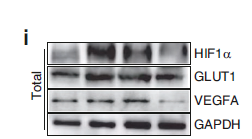
Goat Anti Rabbit IgG(H+L) (HRP)
RS0002
More→
Primary Antibodies
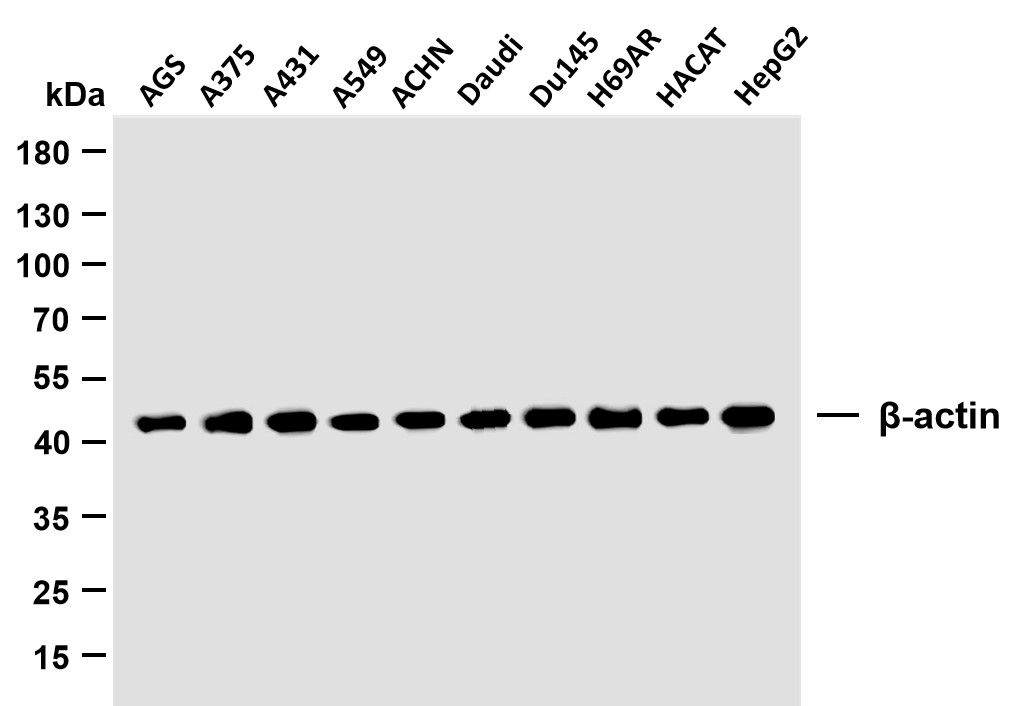
β-actin (PTR2364) Mouse mAb
YM3028
More→
Primary Antibodies
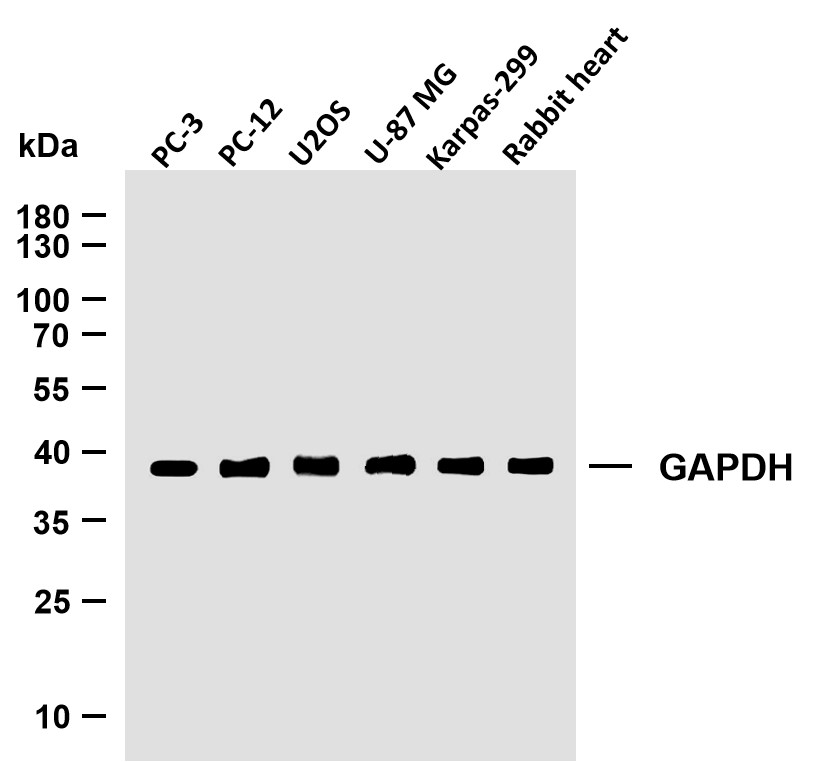
GAPDH (PTR2304) Mouse mAb
YM3029
More→
Antigen&Target Information
Immunogen:
Synthesized phospho-peptide around the phosphorylation site of human Neu (phospho Tyr1221/Y1222)
show all
Specificity:
This antibody detects endogenous levels of HER2 only when phosphorylated at Human:Y1221/1222, Mouse:Y1222/1222, Rat:Y1223/1224.and dually phosphorylated at two sites.The name of modified sites may be influenced by many factors, such as species (the modified site was not originally found in human samples) and the change of protein sequence (the previous protein sequence is incomplete, and the protein sequence may be prolonged with the development of protein sequencing technology). When naming, we will use the "numbers" in historical reference to keep the sites consistent with the reports. The antibody binds to the following modification sequence (lowercase letters are modification sites):LyyWD
show all
Gene Name:
ERBB2 HER2 MLN19 NEU NGL
show all
Protein Name:
Receptor tyrosine-protein kinase erbB-2
show all
Other Name:
ERBB2 ;
HER2 ;
MLN19 ;
NEU ;
NGL ;
Receptor tyrosine-protein kinase erbB-2 ;
Metastatic lymph node gene 19 protein ;
MLN 19 ;
Proto-oncogene Neu ;
Proto-oncogene c-ErbB-2 ;
Tyrosine kinase-type cell surface receptor HER2 ;
p185erbB2 ;
CD antigen CD340
HER2 ;
MLN19 ;
NEU ;
NGL ;
Receptor tyrosine-protein kinase erbB-2 ;
Metastatic lymph node gene 19 protein ;
MLN 19 ;
Proto-oncogene Neu ;
Proto-oncogene c-ErbB-2 ;
Tyrosine kinase-type cell surface receptor HER2 ;
p185erbB2 ;
CD antigen CD340
show all
Background:
This gene encodes a member of the epidermal growth factor (EGF) receptor family of receptor tyrosine kinases. This protein has no ligand binding domain of its own and therefore cannot bind growth factors. However , it does bind tightly to other ligand-bound EGF receptor family members to form a heterodimer , stabilizing ligand binding and enhancing kinase-mediated activation of downstream signalling pathways , such as those involving mitogen-activated protein kinase and phosphatidylinositol-3 kinase. Allelic variations at amino acid positions 654 and 655 of isoform a (positions 624 and 625 of isoform b) have been reported , with the most common allele , Ile654/Ile655 , shown here. Amplification and/or overexpression of this gene has been reported in numerous cancers , including breast and ovarian tumors. Alternative splicing results in several additional transcript variants , some encoding d
show all
Function:
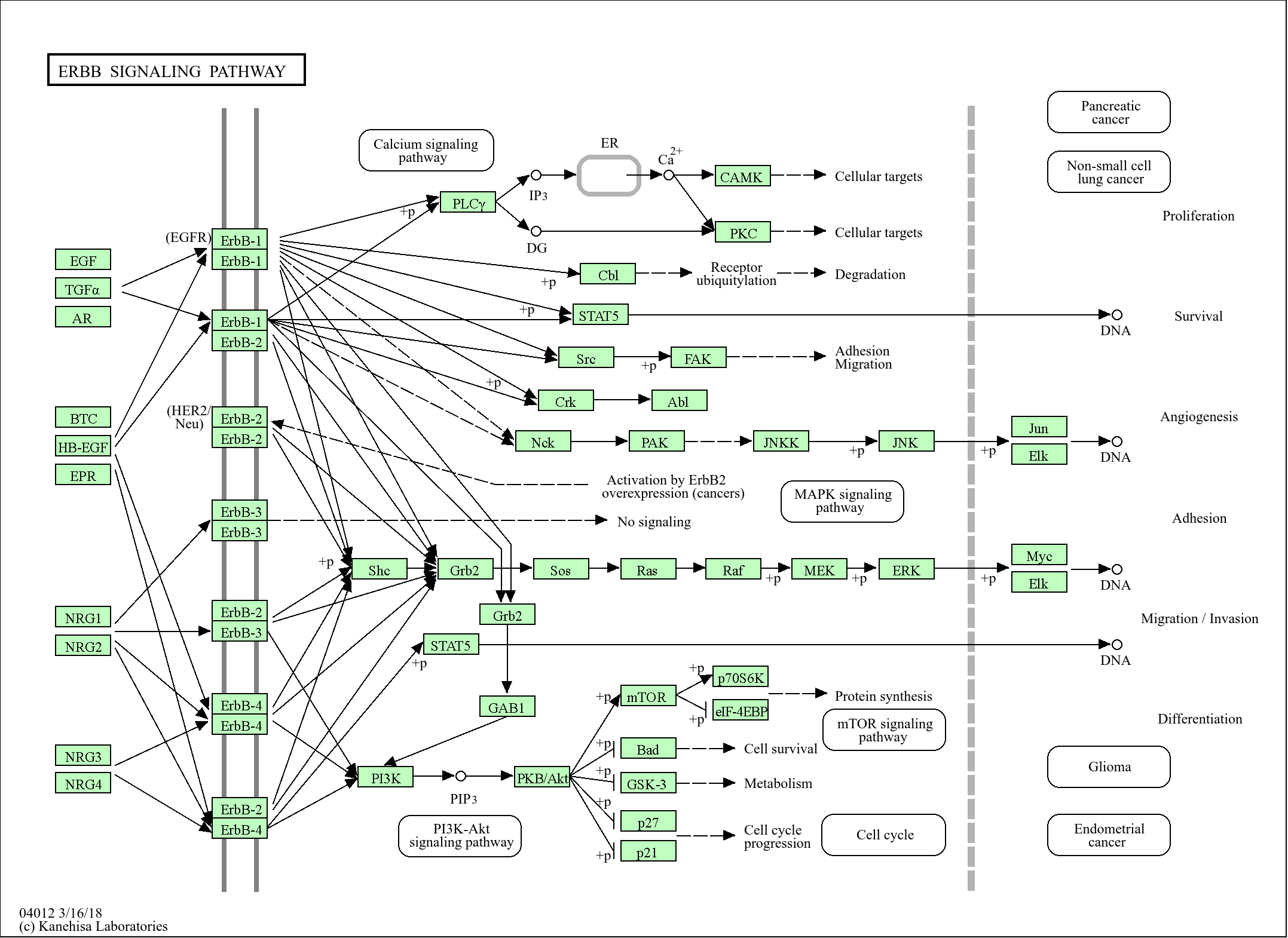
Catalytic activity:ATP + a [protein]-L-tyrosine = ADP + a [protein]-L-tyrosine phosphate. ,Disease:Defects in ERBB2 are associated with familial glioma of brain [MIM:137800]; also called glioblastoma multiforme. Gliomas are central nervous system neoplasms derived from glial cells and comprise astrocytomas , glioblastoma multiforme , oligodendrogliomas , and ependymomas. ,Disease:Defects in ERBB2 are associated with gastric cancer [MIM:137215]; also known as hereditary familial diffuse gastric cancer (HDGC) . ,Disease:Defects in ERBB2 are associated with lung cancer [MIM:211980]; also called adenocarcinoma of lung. ,Disease:Defects in ERBB2 are associated with ovarian cancer [MIM:167000]. Ovarian cancer is the leading cause of death from gynecologic malignancy. It is characterized by advanced presentation with loco-regional dissemination in the peritoneal cavity and the rare incidence of visceral metastases. These typical features relate to the biology of the disease , which is a principal determinant of outcome. ,Function:Essential component of a neuregulin-receptor complex , although neuregulins do not interact with it alone. GP30 is a potential ligand for this receptor. Not activated by EGF , TGF-alpha and amphiregulin. ,online information:ERBB2 entry ,polymorphism:There are fours alleles due to the variations in positions 654 and 655. Allele B1 (Ile-654/Ile-655) has a frequency of 0.782; allele B2 (Ile-654/Val-655) has a frequency of 0.206; allele B3 (Val-654/Val-655) has a frequency of 0.012. ,PTM:Ligand-binding increases phosphorylation on tyrosine residues. ,similarity:Belongs to the protein kinase superfamily. Tyr protein kinase family. EGF receptor subfamily. ,similarity:Contains 1 protein kinase domain. ,subunit:Heterodimer with each of the other ERBB receptors (Potential) . Interacts with PRKCABP and PLXNB1. Part of a complex with EGFR and either PIK3C2A or PIK3C2B. May interact with PIK3C2B when phosphorylated on Tyr-1196. Interacts with MEMO when phosphorylated on Tyr-1248. Interacts with MUC1. Stimulation by heregulin (HRG) in breast cancer cell lines induces binding of MUC1 with gamma-catenin. ,
show all
Cellular Localization:
[Isoform 1]: Cell membrane ; Single-pass type I membrane protein. Early endosome . Cytoplasm , perinuclear region. Nucleus. Translocation to the nucleus requires endocytosis , probably endosomal sorting and is mediated by importin beta-1/KPNB1. Also detected in VPS35-positive endosome-to-TGN retrograde vesicles (PubMed:31138794) . .; [Isoform 2]: Cytoplasm. Nucleus.; [Isoform 3]: Cytoplasm. Nucleus.
show all
Tissue Expression:
Research Areas:
>>EGFR tyrosine kinase inhibitor resistance ;
>>Endocrine resistance ;
>>Platinum drug resistance ;
>>MAPK signaling pathway ;
>>ErbB signaling pathway ;
>>Calcium signaling pathway ;
>>HIF-1 signaling pathway ;
>>PI3K-Akt signaling pathway ;
>>Focal adhesion ;
>>Adherens junction ;
>>Tight junction ;
>>Pathways in cancer ;
>>Proteoglycans in cancer ;
>>MicroRNAs in cancer ;
>>Pancreatic cancer ;
>>Endometrial cancer ;
>>Prostate cancer ;
>>Bladder cancer ;
>>Non-small cell lung cancer ;
>>Breast cancer ;
>>Gastric cancer ;
>>Central carbon metabolism in cancer
>>Endocrine resistance ;
>>Platinum drug resistance ;
>>MAPK signaling pathway ;
>>ErbB signaling pathway ;
>>Calcium signaling pathway ;
>>HIF-1 signaling pathway ;
>>PI3K-Akt signaling pathway ;
>>Focal adhesion ;
>>Adherens junction ;
>>Tight junction ;
>>Pathways in cancer ;
>>Proteoglycans in cancer ;
>>MicroRNAs in cancer ;
>>Pancreatic cancer ;
>>Endometrial cancer ;
>>Prostate cancer ;
>>Bladder cancer ;
>>Non-small cell lung cancer ;
>>Breast cancer ;
>>Gastric cancer ;
>>Central carbon metabolism in cancer
show all
Signaling Pathway
Cellular Processes >> Cellular community - eukaryotes >> Focal adhesion
Cellular Processes >> Cellular community - eukaryotes >> Adherens junction
Cellular Processes >> Cellular community - eukaryotes >> Tight junction
Human Diseases >> Cancer: overview >> Pathways in cancer
Human Diseases >> Cancer: overview >> MicroRNAs in cancer
Human Diseases >> Cancer: overview >> Central carbon metabolism in cancer
Human Diseases >> Cancer: specific types >> Pancreatic cancer
Human Diseases >> Cancer: specific types >> Gastric cancer
Human Diseases >> Cancer: specific types >> Bladder cancer
Human Diseases >> Cancer: specific types >> Prostate cancer
Human Diseases >> Cancer: specific types >> Endometrial cancer
Human Diseases >> Cancer: specific types >> Breast cancer
Human Diseases >> Cancer: specific types >> Non-small cell lung cancer
Environmental Information Processing >> Signal transduction >> MAPK signaling pathway
Environmental Information Processing >> Signal transduction >> ErbB signaling pathway
Environmental Information Processing >> Signal transduction >> HIF-1 signaling pathway
Environmental Information Processing >> Signal transduction >> Calcium signaling pathway
Environmental Information Processing >> Signal transduction >> PI3K-Akt signaling pathway
Reference Citation({{totalcount}})
Catalog: YP0865
Size
Price
Status
Qty.
200μL
$600.00
3 weeks
0
100μL
$340.00
3 weeks
0
50μL
$190.00
3 weeks
0
Add to cart
Collected
Collect
Recently Viewed Products
Clear allPRODUCTS
CUSTOMIZED
ABOUT US



Toggle night Mode
{{pinfoXq.title || ''}}
Catalog: {{pinfoXq.catalog || ''}}
Filter:
All
{{item.name}}
{{pinfo.title}}
-{{pinfo.catalog}}
Main Information
Target
{{pinfo.target}}
Reactivity
{{pinfo.react}}
Applications
{{pinfo.applicat}}
Conjugate/Modification
{{pinfo.coupling}}/{{pinfo.modific}}
MW (kDa)
{{pinfo.mwcalc}}
Host Species
{{pinfo.hostspec}}
Isotype
{{pinfo.isotype}}
Product {{index}}/{{pcount}}
Prev
Next
{{pvTitle}}
Scroll wheel zooms the picture
{{pvDescr}}