






Catalog: YP0838
Size
Price
Status
Qty.
200μL
$600.00
3 weeks
0
100μL
$340.00
3 weeks
0
50μL
$190.00
3 weeks
0
Add to cart


Collected
Collect
Main Information
Target
FADD Phospho Ser191
Host Species
Rabbit
Reactivity
Mouse
Applications
WB, IHC, IF, ELISA
MW
25kD (Observed)
Conjugate/Modification
phosphate
Detailed Information
Recommended Dilution Ratio
WB 1:500-1:2000; IHC 1:100-1:300; ELISA 1:5000; IF 1:50-200
Formulation
Liquid in PBS containing 50% glycerol, 0.5% BSA and 0.02% sodium azide.
Specificity
Phospho-FADD (S191) Polyclonal Antibody detects endogenous levels of FADD protein only when phosphorylated at S191.The name of modified sites may be influenced by many factors, such as species (the modified site was not originally found in human samples) and the change of protein sequence (the previous protein sequence is incomplete, and the protein sequence may be prolonged with the development of protein sequencing technology). When naming, we will use the "numbers" in historical reference to keep the sites consistent with the reports. The antibody binds to the following modification sequence (lowercase letters are modification sites):NMsPV
Purification
The antibody was affinity-purified from rabbit antiserum by affinity-chromatography using epitope-specific immunogen.
Storage
-15°C to -25°C/1 year (Do not lower than -25°C)
Concentration
1 mg/ml
MW(Observed)
25kD
Modification
phosphate
Clonality
Polyclonal
Isotype
IgG
Related Products
Secondary Antibodies
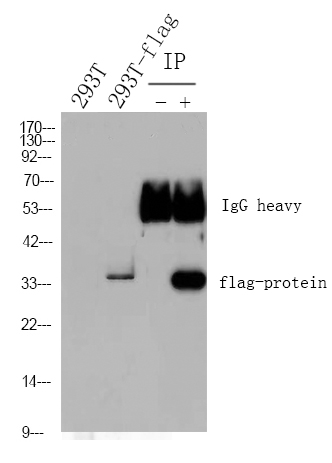
Goat Anti Mouse IgG(H+L) (HRP)
RS0001
More→
Secondary Antibodies
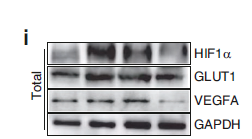
Goat Anti Rabbit IgG(H+L) (HRP)
RS0002
More→
Primary Antibodies
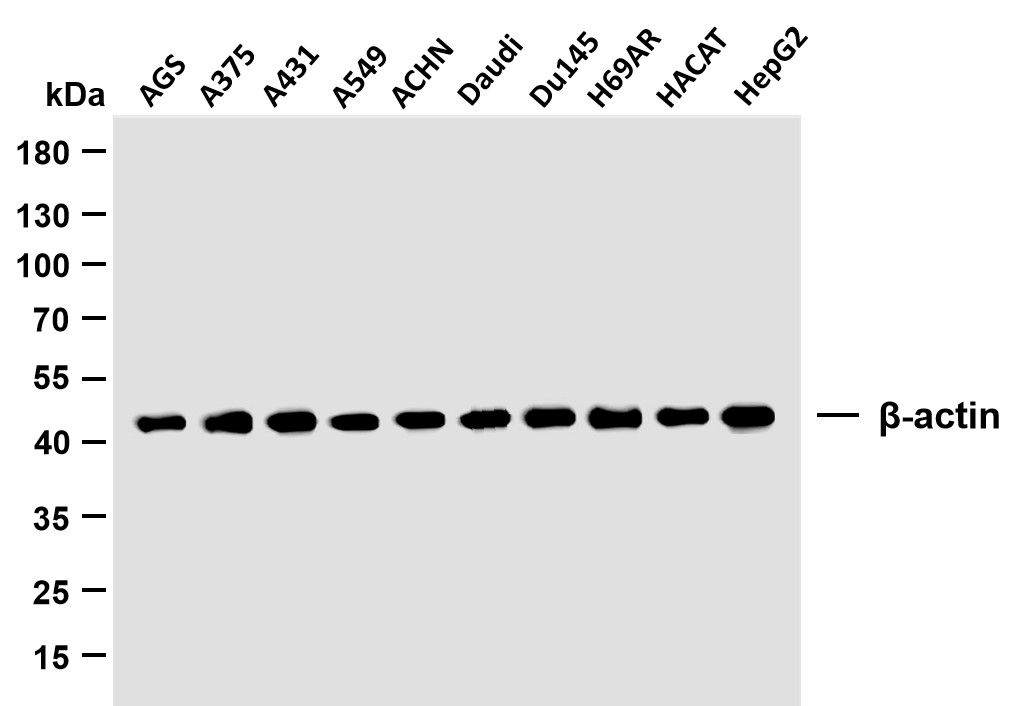
β-actin (PTR2364) Mouse mAb
YM3028
More→
Primary Antibodies
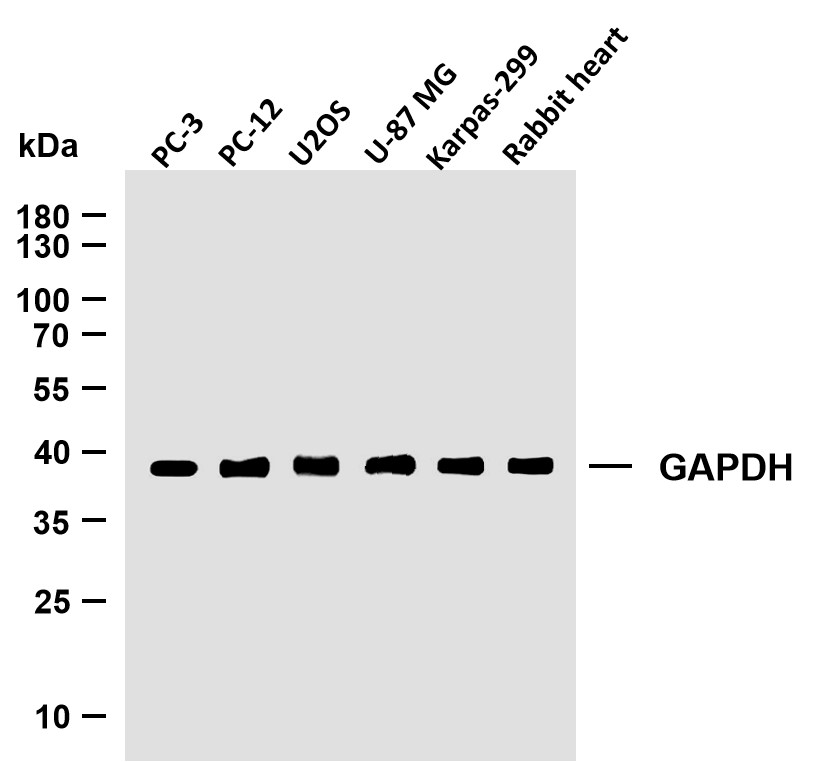
GAPDH (PTR2304) Mouse mAb
YM3029
More→
Antigen&Target Information
Immunogen:
The antiserum was produced against synthesized peptide derived from mouse FADD around the phosphorylation site of Ser191. AA range:157-206
show all
Specificity:
Phospho-FADD (S191) Polyclonal Antibody detects endogenous levels of FADD protein only when phosphorylated at S191.The name of modified sites may be influenced by many factors, such as species (the modified site was not originally found in human samples) and the change of protein sequence (the previous protein sequence is incomplete, and the protein sequence may be prolonged with the development of protein sequencing technology). When naming, we will use the "numbers" in historical reference to keep the sites consistent with the reports. The antibody binds to the following modification sequence (lowercase letters are modification sites):NMsPV
show all
Gene Name:
FADD
show all
Protein Name:
Protein FADD
show all
Other Name:
FADD ;
MORT1 ;
GIG3 ;
Protein FADD ;
FAS-associated death domain protein ;
FAS-associating death domain-containing protein ;
Growth-inhibiting gene 3 protein ;
Mediator of receptor induced toxicity
MORT1 ;
GIG3 ;
Protein FADD ;
FAS-associated death domain protein ;
FAS-associating death domain-containing protein ;
Growth-inhibiting gene 3 protein ;
Mediator of receptor induced toxicity
show all
Background:
The Fas associated via death domain encoded by FADD is an adaptor molecule that interacts with various cell surface receptors and mediates cell apoptotic signals. Through its C-terminal death domain , this protein can be recruited by TNFRSF6/Fas-receptor , tumor necrosis factor receptor , TNFRSF25 , and TNFSF10/TRAIL-receptor , and thus it participates in the death signaling initiated by these receptors. Interaction of this protein with the receptors unmasks the N-terminal effector domain of this protein , which allows it to recruit caspase-8 , and thereby activate the cysteine protease cascade. Knockout studies in mice also suggest the importance of this protein in early T cell development.
show all
Signaling Pathway
Cellular Processes >> Cell growth and death >> Apoptosis
Cellular Processes >> Cell growth and death >> Apoptosis - multiple species
Cellular Processes >> Cell growth and death >> Necroptosis
Organismal Systems >> Immune system >> Toll-like receptor signaling pathway
Organismal Systems >> Immune system >> NOD-like receptor signaling pathway
Organismal Systems >> Immune system >> RIG-I-like receptor signaling pathway
Organismal Systems >> Immune system >> Cytosolic DNA-sensing pathway
Organismal Systems >> Immune system >> IL-17 signaling pathway
Human Diseases >> Cancer: overview >> Pathways in cancer
Human Diseases >> Neurodegenerative disease >> Alzheimer disease
Human Diseases >> Neurodegenerative disease >> Pathways of neurodegeneration - multiple diseases
Environmental Information Processing >> Signal transduction >> TNF signaling pathway
Reference Citation({{totalcount}})
Catalog: YP0838
Size
Price
Status
Qty.
200μL
$600.00
3 weeks
0
100μL
$340.00
3 weeks
0
50μL
$190.00
3 weeks
0
Add to cart
Collected
Collect
Recently Viewed Products
Clear allPRODUCTS
CUSTOMIZED
ABOUT US



Toggle night Mode
{{pinfoXq.title || ''}}
Catalog: {{pinfoXq.catalog || ''}}
Filter:
All
{{item.name}}
{{pinfo.title}}
-{{pinfo.catalog}}
Main Information
Target
{{pinfo.target}}
Reactivity
{{pinfo.react}}
Applications
{{pinfo.applicat}}
Conjugate/Modification
{{pinfo.coupling}}/{{pinfo.modific}}
MW (kDa)
{{pinfo.mwcalc}}
Host Species
{{pinfo.hostspec}}
Isotype
{{pinfo.isotype}}
Product {{index}}/{{pcount}}
Prev
Next
{{pvTitle}}
Scroll wheel zooms the picture
{{pvDescr}}