





Catalog: YP0684
Size
Price
Status
Qty.
200μL
$600.00
3 weeks
0
100μL
$340.00
3 weeks
0
50μL
$190.00
3 weeks
0
Add to cart


Collected
Collect
Main Information
Target
Akt1 Phospho Thr72
Host Species
Rabbit
Reactivity
Human, Mouse, Rat
Applications
WB, IHC, IF, ELISA
MW
56kD (Observed)
Conjugate/Modification
phosphate
Detailed Information
Recommended Dilution Ratio
WB 1:500-1:2000; IHC 1:100-1:300; ELISA 1:5000; IF 1:50-200
Formulation
Liquid in PBS containing 50% glycerol, 0.5% BSA and 0.02% sodium azide.
Specificity
Phospho-Akt1 (T72) Polyclonal Antibody detects endogenous levels of Akt1 protein only when phosphorylated at T72.The name of modified sites may be influenced by many factors, such as species (the modified site was not originally found in human samples) and the change of protein sequence (the previous protein sequence is incomplete, and the protein sequence may be prolonged with the development of protein sequencing technology). When naming, we will use the "numbers" in historical reference to keep the sites consistent with the reports. The antibody binds to the following modification sequence (lowercase letters are modification sites):PNtFI
Purification
The antibody was affinity-purified from rabbit antiserum by affinity-chromatography using epitope-specific immunogen.
Storage
-15°C to -25°C/1 year (Do not lower than -25°C)
Concentration
1 mg/ml
MW(Observed)
56kD
Modification
phosphate
Clonality
Polyclonal
Isotype
IgG
Related Products
Secondary Antibodies
Goat Anti Mouse IgG(H+L) (HRP)
RS0001
More→
Secondary Antibodies
Goat Anti Rabbit IgG(H+L) (HRP)
RS0002
More→
Primary Antibodies
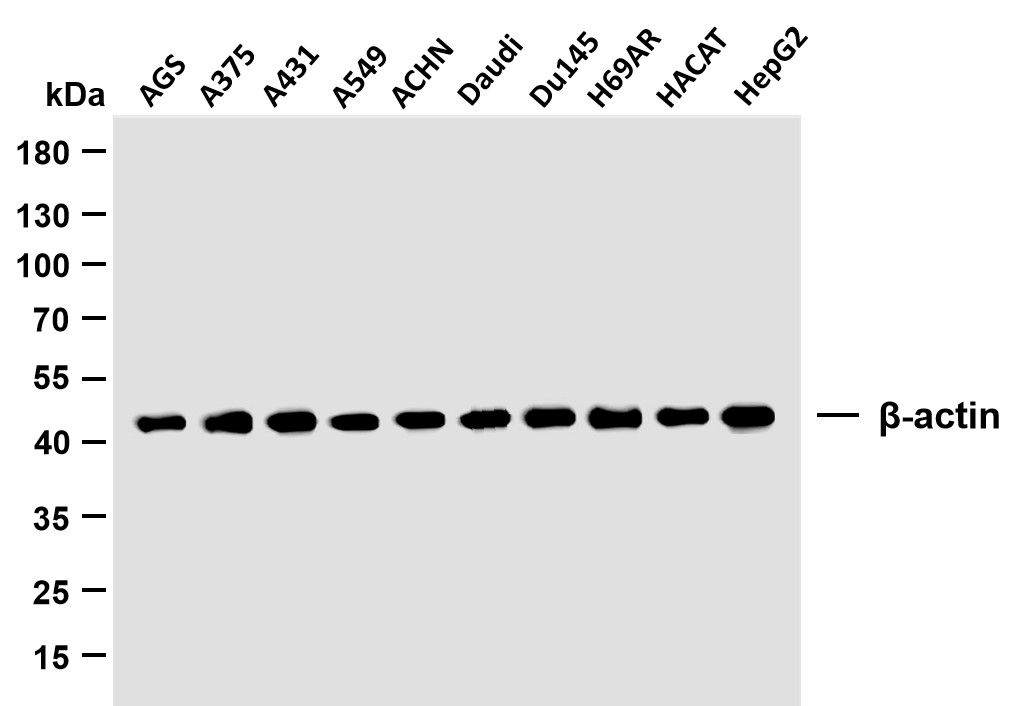
β-actin (PTR2364) Mouse mAb
YM3028
More→
Primary Antibodies
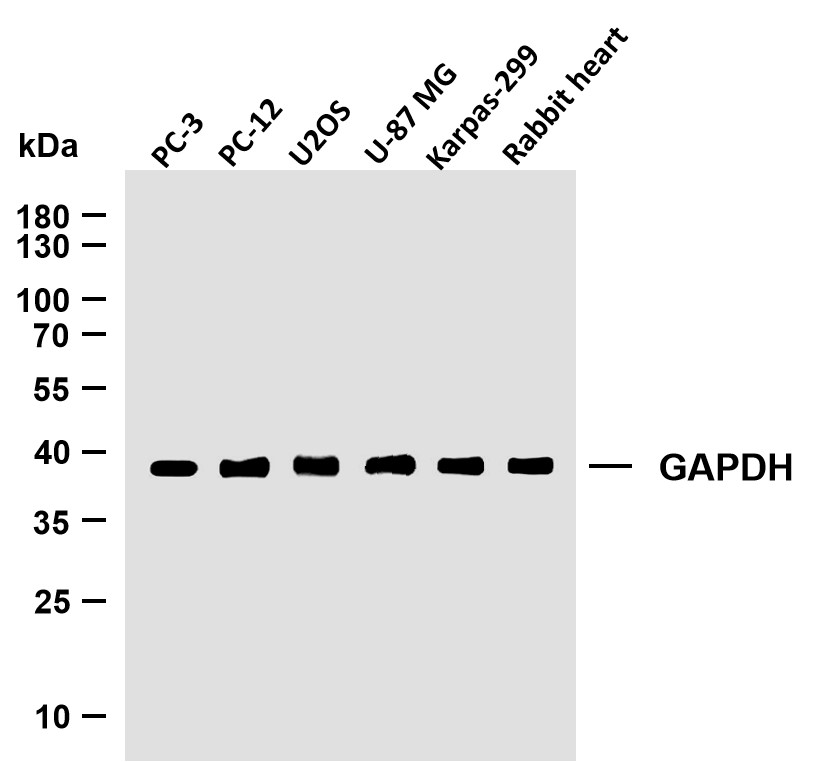
GAPDH (PTR2304) Mouse mAb
YM3029
More→
Antigen&Target Information
Immunogen:
The antiserum was produced against synthesized peptide derived from human Akt around the phosphorylation site of Thr72. AA range:38-87
show all
Specificity:
Phospho-Akt1 (T72) Polyclonal Antibody detects endogenous levels of Akt1 protein only when phosphorylated at T72.The name of modified sites may be influenced by many factors, such as species (the modified site was not originally found in human samples) and the change of protein sequence (the previous protein sequence is incomplete, and the protein sequence may be prolonged with the development of protein sequencing technology). When naming, we will use the "numbers" in historical reference to keep the sites consistent with the reports. The antibody binds to the following modification sequence (lowercase letters are modification sites):PNtFI
show all
Gene Name:
AKT1
show all
Protein Name:
RAC-alpha serine/threonine-protein kinase
show all
Other Name:
AKT1 ;
PKB ;
RAC ;
RAC-alpha serine/threonine-protein kinase ;
Protein kinase B ;
PKB ;
Protein kinase B alpha ;
PKB alpha ;
Proto-oncogene c-Akt ;
RAC-PK-alpha
PKB ;
RAC ;
RAC-alpha serine/threonine-protein kinase ;
Protein kinase B ;
PKB ;
Protein kinase B alpha ;
PKB alpha ;
Proto-oncogene c-Akt ;
RAC-PK-alpha
show all
Database Link:
Background:
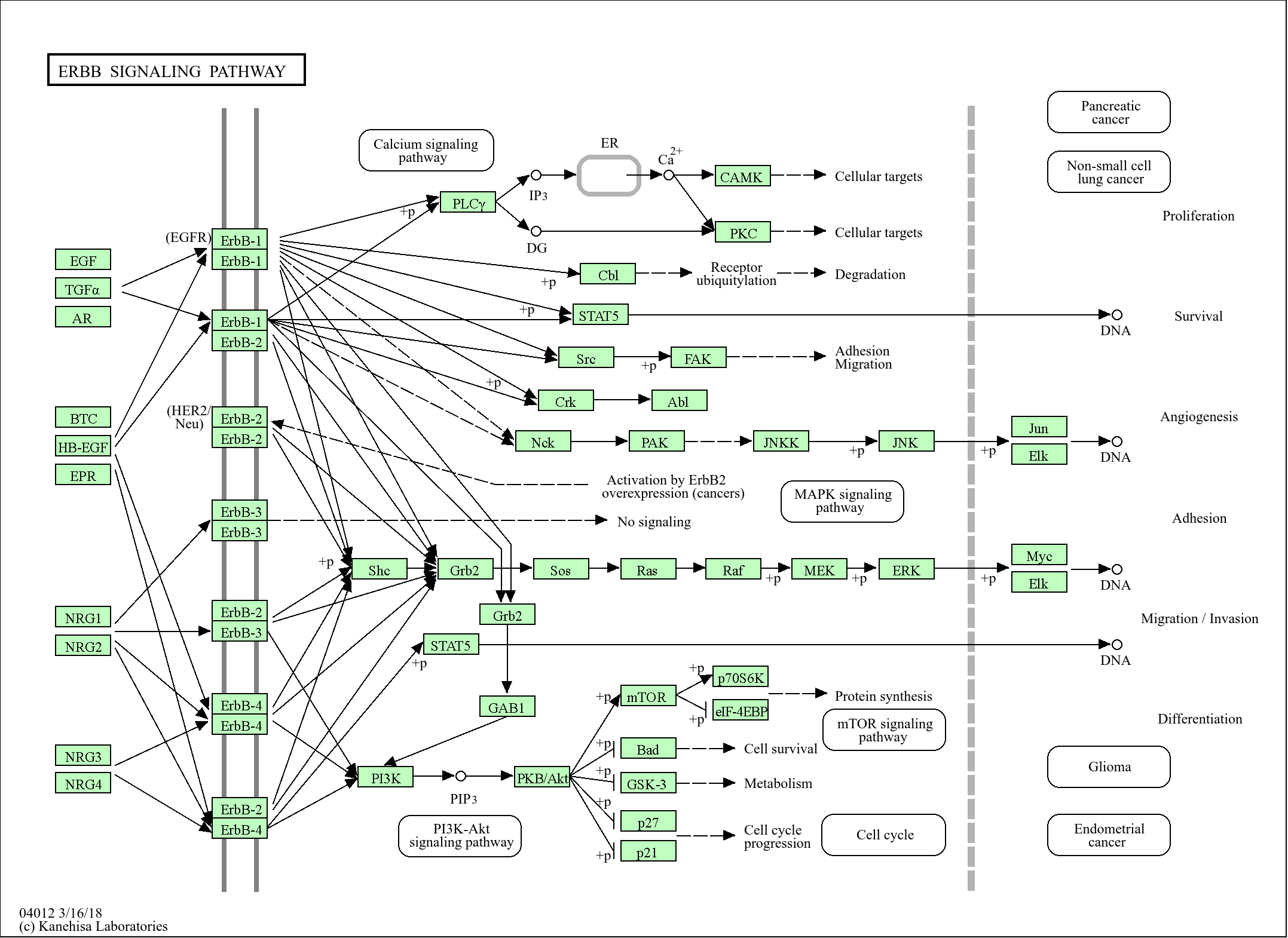
AKT1 gene encodes one of the three members of the human AKT serine-threonine protein kinase family which are often referred to as protein kinase B alpha , beta , and gamma. These highly similar AKT proteins all have an N-terminal pleckstrin homology domain , a serine/threonine-specific kinase domain and a C-terminal regulatory domain. These proteins are phosphorylated by phosphoinositide 3-kinase (PI3K) . AKT/PI3K forms a key component of many signalling pathways that involve the binding of membrane-bound ligands such as receptor tyrosine kinases , G-protein coupled receptors , and integrin-linked kinase. These AKT proteins therefore regulate a wide variety of cellular functions including cell proliferation , survival , metabolism , and angiogenesis in both normal and malignant cells. AKT proteins are recruited to the cell membrane by phosphatidylinositol 3 ,4 ,5-trisphosphate (PIP3) after phosphorylation of phosphatidylinositol 4 ,5-bisphosphate (PIP2) by PI3K. Subsequent phosphorylation of both threonine residue 308 and serine residue 473 is required for full activation of the AKT1 protein encoded by this gene. Phosphorylation of additional residues also occurs , for example , in response to insulin growth factor-1 and epidermal growth factor. Protein phosphatases act as negative regulators of AKT proteins by dephosphorylating AKT or PIP3. The PI3K/AKT signalling pathway is crucial for tumor cell survival. Survival factors can suppress apoptosis in a transcription-independent manner by activating AKT1 which then phosphorylates and inactivates components of the apoptotic machinery. AKT proteins also participate in the mammalian target of rapamycin (mTOR) signalling pathway which controls the assembly of the eukaryotic translation initiation factor 4F (eIF4E) complex and this pathway , in addition to responding to extracellular signals from growth factors and cytokines , is disregulated in many cancers. Mutations in this gene are associated with multiple types of cancer and excessive tissue growth including Proteus syndrome and Cowden syndrome 6 , and breast , colorectal , and ovarian cancers. Multiple alternatively spliced transcript variants have been found for this gene. [provided by RefSeq , Jul 2020]
show all
Function:
AKT1 is one of 3 closely related serine/threonine-protein kinases (AKT1 , AKT2 and AKT3) called the AKT kinase , and which regulate many processes including metabolism , proliferation , cell survival , growth and angiogenesis (PubMed:11882383 , PubMed:15526160 , PubMed:15861136 , PubMed:21432781 , PubMed:21620960 , PubMed:31204173) .This is mediated through serine and/or threonine phosphorylation of a range of downstream substrates (PubMed:11882383 , PubMed:15526160 , PubMed:21432781 , PubMed:21620960 , PubMed:31204173) .Over 100 substrate candidates have been reported so far , but for most of them , no isoform specificity has been reported (PubMed:11882383 , PubMed:15526160 , PubMed:21432781 , PubMed:21620960) .AKT is responsible of the regulation of glucose uptake by mediating insulin-induced translocation of the SLC2A4/GLUT4 glucose transporter to the cell surface (By similarity) .Phosphorylation of PTPN1 at 'Ser-50' negatively modulates its phosphatase activity preventing dephosphorylation of the insulin receptor and the attenuation of insulin signaling (By similarity) .Phosphorylation of TBC1D4 triggers the binding of this effector to inhibitory 14-3-3 proteins , which is required for insulin-stimulated glucose transport (PubMed:11994271) .AKT regulates also the storage of glucose in the form of glycogen by phosphorylating GSK3A at 'Ser-21' and GSK3B at 'Ser-9' , resulting in inhibition of its kinase activity (By similarity) .Phosphorylation of GSK3 isoforms by AKT is also thought to be one mechanism by which cell proliferation is driven (By similarity) .AKT regulates also cell survival via the phosphorylation of MAP3K5 (apoptosis signal-related kinase) (PubMed:11154276) .Phosphorylation of 'Ser-83' decreases MAP3K5 kinase activity stimulated by oxidative stress and thereby prevents apoptosis (PubMed:11154276) .AKT mediates insulin-stimulated protein synthesis by phosphorylating TSC2 at 'Ser-939' and 'Thr-1462' , thereby activating the mTORC1 signaling pathway , and leading to both phosphorylation of 4E-BP1 and in activation of RPS6KB1 (PubMed:12150915 , PubMed:12172553) .Also regulates the mTORC1 signaling pathway by catalyzing phosphorylation of CASTOR1 and DEPDC5 (PubMed:31548394 , PubMed:33594058) .AKT is involved in the phosphorylation of members of the FOXO factors (Forkhead family of transcription factors) , leading to binding of 14-3-3 proteins and cytoplasmic localization (PubMed:10358075) .In particular , FOXO1 is phosphorylated at 'Thr-24' , 'Ser-256' and 'Ser-319' (PubMed:10358075) .
FOXO3 and FOXO4 are phosphorylated on equivalent sites (PubMed:10358075) .AKT has an important role in the regulation of NF-kappa-B-dependent gene transcription and positively regulates the activity of CREB1 (cyclic AMP (cAMP) -response element binding protein) (PubMed:9829964) .The phosphorylation of CREB1 induces the binding of accessory proteins that are necessary for the transcription of pro-survival genes such as BCL2 and MCL1 (PubMed:9829964) .AKT phosphorylates 'Ser-454' on ATP citrate lyase (ACLY) , thereby potentially regulating ACLY activity and fatty acid synthesis (By similarity) .Activates the 3B isoform of cyclic nucleotide phosphodiesterase (PDE3B) via phosphorylation of 'Ser-273' , resulting in reduced cyclic AMP levels and inhibition of lipolysis (By similarity) .Phosphorylates PIKFYVE on 'Ser-318' , which results in increased PI3P-5 activity (By similarity) .The Rho GTPase-activating protein DLC1 is another substrate and its phosphorylation is implicated in the regulation cell proliferation and cell growth (By similarity) .AKT plays a role as key modulator of the AKT-mTOR signaling pathway controlling the tempo of the process of newborn neurons integration during adult neurogenesis , including correct neuron positioning , dendritic development and synapse formation (By similarity) .Signals downstream of phosphatidylinositol 3-kinase (PI3K) to mediate the effects of various growth factors such as platelet-derived growth factor (PDGF) , epidermal growth factor (EGF) , insulin and insulin-like growth factor 1 (IGF1) (PubMed:12176338 , PubMed:12964941) .AKT mediates the antiapoptotic effects of IGF1 (By similarity) .
Essential for the SPATA13-mediated regulation of cell migration and adhesion assembly and disassembly (PubMed:19934221) .May be involved in the regulation of the placental development (By similarity) .Phosphorylates STK4/MST1 at 'Thr-120' and 'Thr-387' leading to inhibition of its: kinase activity , nuclear translocation , autophosphorylation and ability to phosphorylate FOXO3 (PubMed:17726016) .Phosphorylates STK3/MST2 at 'Thr-117' and 'Thr-384' leading to inhibition of its: cleavage , kinase activity , autophosphorylation at Thr-180 , binding to RASSF1 and nuclear translocation (PubMed:20086174) .Phosphorylates SRPK2 and enhances its kinase activity towards SRSF2 and ACIN1 and promotes its nuclear translocation (PubMed:19592491) .Phosphorylates RAF1 at 'Ser-259' and negatively regulates its activity (PubMed:10576742) .Phosphorylation of BAD stimulates its pro-apoptotic activity (PubMed:10926925) .Phosphorylates KAT6A at 'Thr-369' and this phosphorylation inhibits the interaction of KAT6A with PML and negatively regulates its acetylation activity towards p53/TP53 (PubMed:23431171) .Phosphorylates palladin (PALLD) , modulating cytoskeletal organization and cell motility (PubMed:20471940) .Phosphorylates prohibitin (PHB) , playing an important role in cell metabolism and proliferation (PubMed:18507042) .Phosphorylates CDKN1A , for which phosphorylation at 'Thr-145' induces its release from CDK2 and cytoplasmic relocalization (PubMed:16982699) .These recent findings indicate that the AKT1 isoform has a more specific role in cell motility and proliferation (PubMed:16139227) .Phosphorylates CLK2 thereby controlling cell survival to ionizing radiation (PubMed:20682768) .Phosphorylates PCK1 at 'Ser-90' , reducing the binding affinity of PCK1 to oxaloacetate and changing PCK1 into an atypical protein kinase activity using GTP as donor (PubMed:32322062) .Also acts as an activator of TMEM175 potassium channel activity in response to growth factors: forms the lysoK (GF) complex together with TMEM175 and acts by promoting TMEM175 channel activation , independently of its protein kinase activity (PubMed:32228865) .Acts as a regulator of mitochondrial calcium uptake by mediating phosphorylation of MICU1 in the mitochondrial intermembrane space , impairing MICU1 maturation (PubMed:30504268) .Acts as an inhibitor of tRNA methylation by mediating phosphorylation of the N-terminus of METTL1 , thereby inhibiting METTL1 methyltransferase activity (PubMed:15861136) .In response to LPAR1 receptor pathway activation , phosphorylates Rabin8/RAB3IP which alters its activity and phosphorylates WDR44 which induces WDR44 binding to Rab11 , thereby switching Rab11 vesicular function from preciliary trafficking to endocytic recycling (PubMed:31204173)
show all
Cellular Localization:
Cytoplasm . Nucleus . Cell membrane . Nucleus after activation by integrin-linked protein kinase 1 (ILK1) . Nuclear translocation is enhanced by interaction with TCL1A. Phosphorylation on Tyr-176 by TNK2 results in its localization to the cell membrane where it is targeted for further phosphorylations on Thr-308 and Ser-473 leading to its activation and the activated form translocates to the nucleus. Colocalizes with WDFY2 in intracellular vesicles (PubMed:16792529) . .
show all
Research Areas:
>>EGFR tyrosine kinase inhibitor resistance ;
>>Endocrine resistance ;
>>Platinum drug resistance ;
>>MAPK signaling pathway ;
>>ErbB signaling pathway ;
>>Ras signaling pathway ;
>>Rap1 signaling pathway ;
>>cGMP-PKG signaling pathway ;
>>cAMP signaling pathway ;
>>Chemokine signaling pathway ;
>>HIF-1 signaling pathway ;
>>FoxO signaling pathway ;
>>Sphingolipid signaling pathway ;
>>Phospholipase D signaling pathway ;
>>Autophagy - animal ;
>>mTOR signaling pathway ;
>>PI3K-Akt signaling pathway ;
>>AMPK signaling pathway ;
>>Apoptosis ;
>>Longevity regulating pathway ;
>>Longevity regulating pathway - multiple species ;
>>Cellular senescence ;
>>Adrenergic signaling in cardiomyocytes ;
>>VEGF signaling pathway ;
>>Apelin signaling pathway ;
>>Osteoclast differentiation ;
>>Focal adhesion ;
>>Signaling pathways regulating pluripotency of stem cells ;
>>Platelet activation ;
>>Neutrophil extracellular trap formation ;
>>Toll-like receptor signaling pathway ;
>>C-type lectin receptor signaling pathway ;
>>JAK-STAT signaling pathway ;
>>T cell receptor signaling pathway ;
>>B cell receptor signaling pathway ;
>>Fc epsilon RI signaling pathway ;
>>Fc gamma R-mediated phagocytosis ;
>>TNF signaling pathway ;
>>Neurotrophin signaling pathway ;
>>Cholinergic synapse ;
>>Dopaminergic synapse ;
>>Insulin signaling pathway ;
>>Progesterone-mediated oocyte maturation ;
>>Estrogen signaling pathway ;
>>Prolactin signaling pathway ;
>>Thyroid hormone signaling pathway ;
>>Adipocytokine signaling pathway ;
>>Glucagon signaling pathway ;
>>Regulation of lipolysis in adipocytes ;
>>Relaxin signaling pathway ;
>>GnRH secretion ;
>>Insulin resistance ;
>>Non-alcoholic fatty liver disease ;
>>AGE-RAGE signaling pathway in diabetic complications ;
>>Growth hormone synthesis , secretion and action ;
>>Alcoholic liver disease ;
>>Carbohydrate digestion and absorption ;
>>Alzheimer disease ;
>>Spinocerebellar ataxia ;
>>Shigellosis ;
>>Salmonella infection ;
>>Yersinia infection ;
>>Chagas disease ;
>>Toxoplasmosis ;
>>Tuberculosis ;
>>Hepatitis C ;
>>Hepatitis B ;
>>Measles ;
>>Human cytomegalovirus infection ;
>>Influenza A ;
>>Human papillomavirus infection ;
>>Human T-cell leukemia virus 1 infection ;
>>Kaposi sarcoma-associated herpesvirus infection ;
>>Herpes simplex virus 1 infection ;
>>Epstein-Barr virus infection ;
>>Human immunodeficiency virus 1 infection ;
>>Pathways in cancer ;
>>Proteoglycans in cancer ;
>>Chemical carcinogenesis - receptor activation ;
>>Chemical carcinogenesis - reactive oxygen species ;
>>Colorectal cancer ;
>>Renal cell carcinoma ;
>>Pancreatic cancer ;
>>Endometrial cancer ;
>>Glioma ;
>>Prostate cancer ;
>>Melanoma ;
>>Chronic myeloid leukemia ;
>>Acute myeloid leukemia ;
>>Small cell lung cancer ;
>>Non-small cell lung cancer ;
>>Breast cancer ;
>>Hepatocellular carcinoma ;
>>Gastric cancer ;
>>Central carbon metabolism in cancer ;
>>Choline metabolism in cancer ;
>>PD-L1 expression and PD-1 checkpoint pathway in cancer ;
>>Diabetic cardiomyopathy ;
>>Lipid and atherosclerosis ;
>>Fluid shear stress and atherosclerosis
>>Endocrine resistance ;
>>Platinum drug resistance ;
>>MAPK signaling pathway ;
>>ErbB signaling pathway ;
>>Ras signaling pathway ;
>>Rap1 signaling pathway ;
>>cGMP-PKG signaling pathway ;
>>cAMP signaling pathway ;
>>Chemokine signaling pathway ;
>>HIF-1 signaling pathway ;
>>FoxO signaling pathway ;
>>Sphingolipid signaling pathway ;
>>Phospholipase D signaling pathway ;
>>Autophagy - animal ;
>>mTOR signaling pathway ;
>>PI3K-Akt signaling pathway ;
>>AMPK signaling pathway ;
>>Apoptosis ;
>>Longevity regulating pathway ;
>>Longevity regulating pathway - multiple species ;
>>Cellular senescence ;
>>Adrenergic signaling in cardiomyocytes ;
>>VEGF signaling pathway ;
>>Apelin signaling pathway ;
>>Osteoclast differentiation ;
>>Focal adhesion ;
>>Signaling pathways regulating pluripotency of stem cells ;
>>Platelet activation ;
>>Neutrophil extracellular trap formation ;
>>Toll-like receptor signaling pathway ;
>>C-type lectin receptor signaling pathway ;
>>JAK-STAT signaling pathway ;
>>T cell receptor signaling pathway ;
>>B cell receptor signaling pathway ;
>>Fc epsilon RI signaling pathway ;
>>Fc gamma R-mediated phagocytosis ;
>>TNF signaling pathway ;
>>Neurotrophin signaling pathway ;
>>Cholinergic synapse ;
>>Dopaminergic synapse ;
>>Insulin signaling pathway ;
>>Progesterone-mediated oocyte maturation ;
>>Estrogen signaling pathway ;
>>Prolactin signaling pathway ;
>>Thyroid hormone signaling pathway ;
>>Adipocytokine signaling pathway ;
>>Glucagon signaling pathway ;
>>Regulation of lipolysis in adipocytes ;
>>Relaxin signaling pathway ;
>>GnRH secretion ;
>>Insulin resistance ;
>>Non-alcoholic fatty liver disease ;
>>AGE-RAGE signaling pathway in diabetic complications ;
>>Growth hormone synthesis , secretion and action ;
>>Alcoholic liver disease ;
>>Carbohydrate digestion and absorption ;
>>Alzheimer disease ;
>>Spinocerebellar ataxia ;
>>Shigellosis ;
>>Salmonella infection ;
>>Yersinia infection ;
>>Chagas disease ;
>>Toxoplasmosis ;
>>Tuberculosis ;
>>Hepatitis C ;
>>Hepatitis B ;
>>Measles ;
>>Human cytomegalovirus infection ;
>>Influenza A ;
>>Human papillomavirus infection ;
>>Human T-cell leukemia virus 1 infection ;
>>Kaposi sarcoma-associated herpesvirus infection ;
>>Herpes simplex virus 1 infection ;
>>Epstein-Barr virus infection ;
>>Human immunodeficiency virus 1 infection ;
>>Pathways in cancer ;
>>Proteoglycans in cancer ;
>>Chemical carcinogenesis - receptor activation ;
>>Chemical carcinogenesis - reactive oxygen species ;
>>Colorectal cancer ;
>>Renal cell carcinoma ;
>>Pancreatic cancer ;
>>Endometrial cancer ;
>>Glioma ;
>>Prostate cancer ;
>>Melanoma ;
>>Chronic myeloid leukemia ;
>>Acute myeloid leukemia ;
>>Small cell lung cancer ;
>>Non-small cell lung cancer ;
>>Breast cancer ;
>>Hepatocellular carcinoma ;
>>Gastric cancer ;
>>Central carbon metabolism in cancer ;
>>Choline metabolism in cancer ;
>>PD-L1 expression and PD-1 checkpoint pathway in cancer ;
>>Diabetic cardiomyopathy ;
>>Lipid and atherosclerosis ;
>>Fluid shear stress and atherosclerosis
show all
Signaling Pathway
Cellular Processes >> Transport and catabolism >> Autophagy - animal
Cellular Processes >> Cell growth and death >> Apoptosis
Cellular Processes >> Cell growth and death >> Cellular senescence
Cellular Processes >> Cellular community - eukaryotes >> Focal adhesion
Cellular Processes >> Cellular community - eukaryotes >> Signaling pathways regulating pluripotency of stem cells
Cellular Processes >> Cell motility >> Regulation of actin cytoskeleton
Organismal Systems >> Immune system >> Platelet activation
Organismal Systems >> Immune system >> Neutrophil extracellular trap formation
Organismal Systems >> Immune system >> Toll-like receptor signaling pathway
Organismal Systems >> Immune system >> T cell receptor signaling pathway
Organismal Systems >> Immune system >> B cell receptor signaling pathway
Organismal Systems >> Immune system >> Fc epsilon RI signaling pathway
Organismal Systems >> Immune system >> Fc gamma R-mediated phagocytosis
Organismal Systems >> Immune system >> Chemokine signaling pathway
Organismal Systems >> Endocrine system >> Insulin signaling pathway
Organismal Systems >> Endocrine system >> Glucagon signaling pathway
Organismal Systems >> Endocrine system >> Adipocytokine signaling pathway
Organismal Systems >> Endocrine system >> Estrogen signaling pathway
Organismal Systems >> Endocrine system >> Prolactin signaling pathway
Organismal Systems >> Endocrine system >> Relaxin signaling pathway
Organismal Systems >> Endocrine system >> Growth hormone synthesis, secretion and action
Organismal Systems >> Endocrine system >> Thyroid hormone signaling pathway
Organismal Systems >> Circulatory system >> Adrenergic signaling in cardiomyocytes
Organismal Systems >> Nervous system >> Cholinergic synapse
Organismal Systems >> Nervous system >> Dopaminergic synapse
Organismal Systems >> Nervous system >> Neurotrophin signaling pathway
Organismal Systems >> Development and regeneration >> Osteoclast differentiation
Organismal Systems >> Aging >> Longevity regulating pathway
Organismal Systems >> Aging >> Longevity regulating pathway - multiple species
Human Diseases >> Cancer: overview >> Pathways in cancer
Human Diseases >> Cancer: overview >> Central carbon metabolism in cancer
Human Diseases >> Cancer: overview >> PD-L1 expression and PD-1 checkpoint pathway in cancer
Human Diseases >> Cancer: specific types >> Colorectal cancer
Human Diseases >> Cancer: specific types >> Pancreatic cancer
Human Diseases >> Cancer: specific types >> Hepatocellular carcinoma
Human Diseases >> Cancer: specific types >> Gastric cancer
Human Diseases >> Cancer: specific types >> Glioma
Human Diseases >> Cancer: specific types >> Acute myeloid leukemia
Human Diseases >> Cancer: specific types >> Chronic myeloid leukemia
Human Diseases >> Cancer: specific types >> Melanoma
Human Diseases >> Cancer: specific types >> Renal cell carcinoma
Human Diseases >> Cancer: specific types >> Prostate cancer
Human Diseases >> Cancer: specific types >> Endometrial cancer
Human Diseases >> Cancer: specific types >> Breast cancer
Human Diseases >> Cancer: specific types >> Small cell lung cancer
Human Diseases >> Cancer: specific types >> Non-small cell lung cancer
Human Diseases >> Neurodegenerative disease >> Alzheimer disease
Human Diseases >> Neurodegenerative disease >> Spinocerebellar ataxia
Environmental Information Processing >> Signal transduction >> MAPK signaling pathway
Environmental Information Processing >> Signal transduction >> ErbB signaling pathway
Environmental Information Processing >> Signal transduction >> Ras signaling pathway
Environmental Information Processing >> Signal transduction >> Rap1 signaling pathway
Environmental Information Processing >> Signal transduction >> VEGF signaling pathway
Environmental Information Processing >> Signal transduction >> Apelin signaling pathway
Environmental Information Processing >> Signal transduction >> JAK-STAT signaling pathway
Environmental Information Processing >> Signal transduction >> TNF signaling pathway
Environmental Information Processing >> Signal transduction >> HIF-1 signaling pathway
Environmental Information Processing >> Signal transduction >> FoxO signaling pathway
Environmental Information Processing >> Signal transduction >> Phospholipase D signaling pathway
Environmental Information Processing >> Signal transduction >> Sphingolipid signaling pathway
Environmental Information Processing >> Signal transduction >> cAMP signaling pathway
Environmental Information Processing >> Signal transduction >> cGMP-PKG signaling pathway
Environmental Information Processing >> Signal transduction >> PI3K-Akt signaling pathway
Environmental Information Processing >> Signal transduction >> AMPK signaling pathway
Environmental Information Processing >> Signal transduction >> mTOR signaling pathway
Reference Citation({{totalcount}})
Catalog: YP0684
Size
Price
Status
Qty.
200μL
$600.00
3 weeks
0
100μL
$340.00
3 weeks
0
50μL
$190.00
3 weeks
0
Add to cart
Collected
Collect
Recently Viewed Products
Clear allPRODUCTS
CUSTOMIZED
ABOUT US



Toggle night Mode
{{pinfoXq.title || ''}}
Catalog: {{pinfoXq.catalog || ''}}
Filter:
All
{{item.name}}
{{pinfo.title}}
-{{pinfo.catalog}}
Main Information
Target
{{pinfo.target}}
Reactivity
{{pinfo.react}}
Applications
{{pinfo.applicat}}
Conjugate/Modification
{{pinfo.coupling}}/{{pinfo.modific}}
MW (kDa)
{{pinfo.mwcalc}}
Host Species
{{pinfo.hostspec}}
Isotype
{{pinfo.isotype}}
Product {{index}}/{{pcount}}
Prev
Next
{{pvTitle}}
Scroll wheel zooms the picture
{{pvDescr}}