
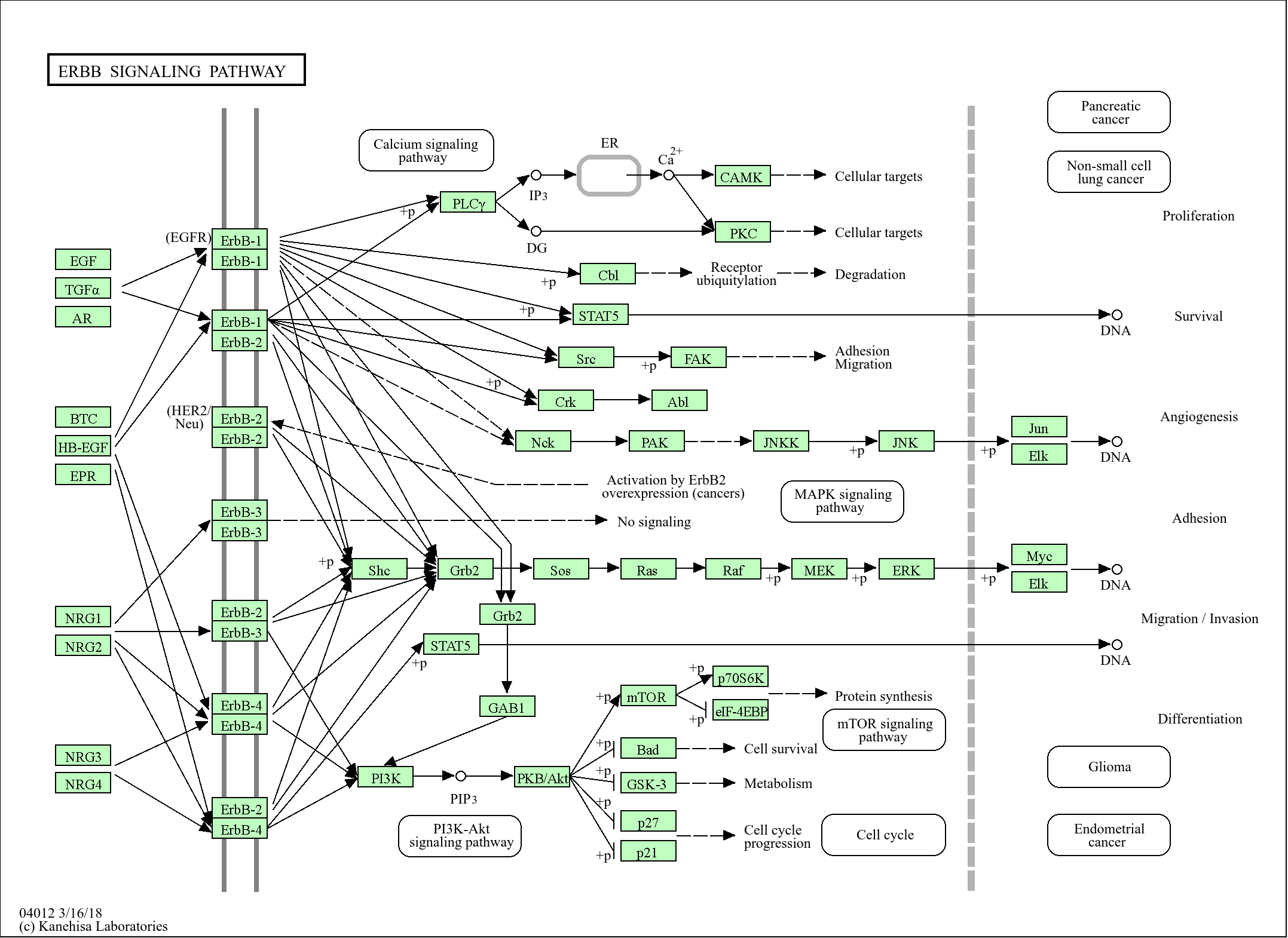


Catalog: YP0560
Size
Price
Status
Qty.
200μL
$600.00
3 weeks
0
100μL
$340.00
3 weeks
0
50μL
$190.00
3 weeks
0
Add to cart


Collected
Collect
Main Information
Target
IL-4R/CD124 Phospho Tyr497
Host Species
Rabbit
Reactivity
Human, Mouse
Applications
WB, IHC, IF, ELISA
MW
90kD (Observed)
Conjugate/Modification
phosphate
Detailed Information
Recommended Dilution Ratio
WB 1:500-1:2000; IHC 1:100-1:300; IF 1:200-1:1000; ELISA 1:5000; Not yet tested in other applications.
Formulation
Liquid in PBS containing 50% glycerol, 0.5% BSA and 0.02% sodium azide.
Specificity
Phospho-IL-4Rα (Y497) Polyclonal Antibody detects endogenous levels of IL-4Rα protein only when phosphorylated at Y497.The name of modified sites may be influenced by many factors, such as species (the modified site was not originally found in human samples) and the change of protein sequence (the previous protein sequence is incomplete, and the protein sequence may be prolonged with the development of protein sequencing technology). When naming, we will use the "numbers" in historical reference to keep the sites consistent with the reports. The antibody binds to the following modification sequence (lowercase letters are modification sites):PAyRS
Purification
The antibody was affinity-purified from rabbit antiserum by affinity-chromatography using epitope-specific immunogen.
Storage
-15°C to -25°C/1 year (Do not lower than -25°C)
Concentration
1 mg/ml
MW(Observed)
90kD
Modification
phosphate
Clonality
Polyclonal
Isotype
IgG
Related Products
Secondary Antibodies
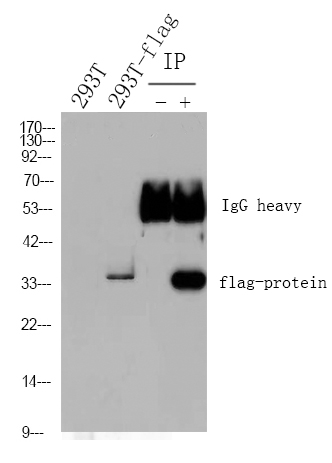
Goat Anti Mouse IgG(H+L) (HRP)
RS0001
More→
Secondary Antibodies
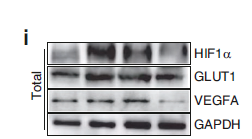
Goat Anti Rabbit IgG(H+L) (HRP)
RS0002
More→
Primary Antibodies
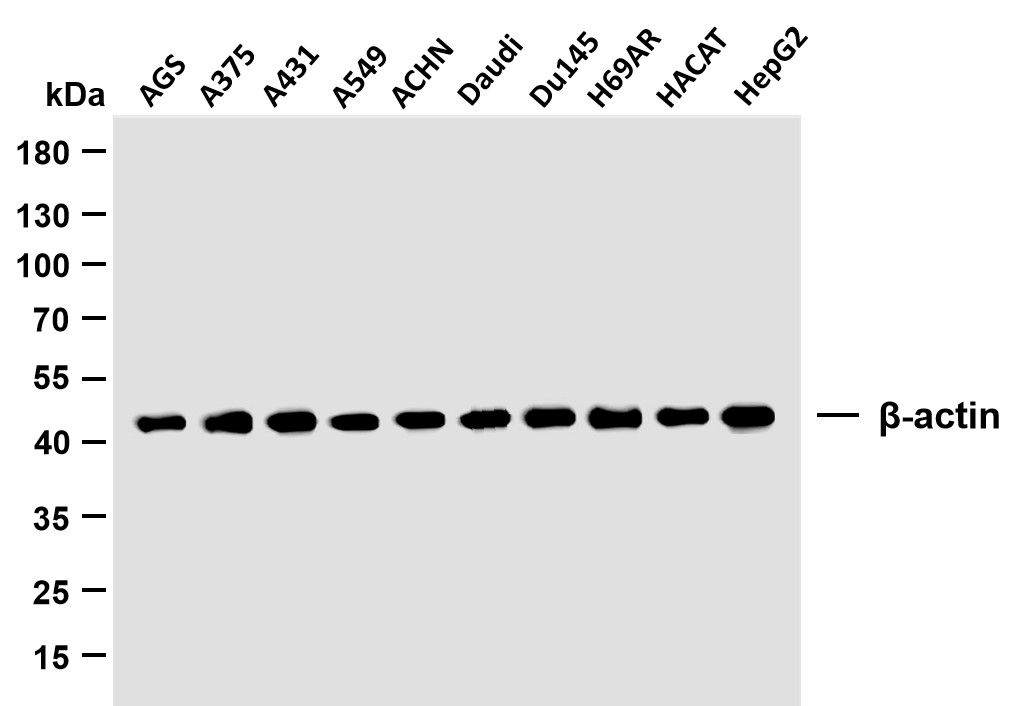
β-actin (PTR2364) Mouse mAb
YM3028
More→
Primary Antibodies
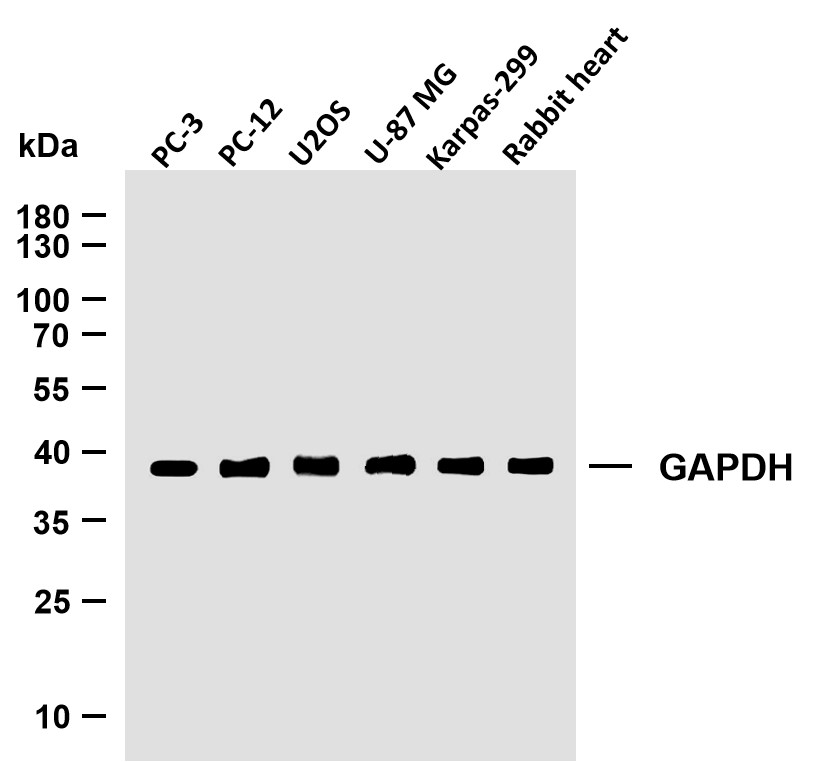
GAPDH (PTR2304) Mouse mAb
YM3029
More→
Antigen&Target Information
Immunogen:
The antiserum was produced against synthesized peptide derived from human IL-4R/CD124 around the phosphorylation site of Tyr497. AA range:463-512
show all
Specificity:
Phospho-IL-4Rα (Y497) Polyclonal Antibody detects endogenous levels of IL-4Rα protein only when phosphorylated at Y497.The name of modified sites may be influenced by many factors, such as species (the modified site was not originally found in human samples) and the change of protein sequence (the previous protein sequence is incomplete, and the protein sequence may be prolonged with the development of protein sequencing technology). When naming, we will use the "numbers" in historical reference to keep the sites consistent with the reports. The antibody binds to the following modification sequence (lowercase letters are modification sites):PAyRS
show all
Gene Name:
IL4R
show all
Protein Name:
Interleukin-4 receptor subunit alpha
show all
Other Name:
IL4R ;
IL4RA ;
582J2.1 ;
Interleukin-4 receptor subunit alpha ;
IL-4 receptor subunit alpha ;
IL-4R subunit alpha ;
IL-4R-alpha ;
IL-4RA ;
CD antigen CD124
IL4RA ;
582J2.1 ;
Interleukin-4 receptor subunit alpha ;
IL-4 receptor subunit alpha ;
IL-4R subunit alpha ;
IL-4R-alpha ;
IL-4RA ;
CD antigen CD124
show all
Background:
This gene encodes the alpha chain of the interleukin-4 receptor , a type I transmembrane protein that can bind interleukin 4 and interleukin 13 to regulate IgE production. The encoded protein also can bind interleukin 4 to promote differentiation of Th2 cells. A soluble form of the encoded protein can be produced by proteolysis of the membrane-bound protein , and this soluble form can inhibit IL4-mediated cell proliferation and IL5 upregulation by T-cells. Allelic variations in this gene have been associated with atopy , a condition that can manifest itself as allergic rhinitis , sinusitus , asthma , or eczema. Polymorphisms in this gene are also associated with resistance to human immunodeficiency virus type-1 infection. Alternate splicing results in multiple transcript variants. [provided by RefSeq , Apr 2012] ,
show all
Function:
Domain:Contains 1 copy of a cytoplasmic motif that is referred to as the immunoreceptor tyrosine-based inhibitor motif (ITIM) . This motif is involved in modulation of cellular responses. The phosphorylated ITIM motif can bind the SH2 domain of several SH2-containing phosphatases. ,Domain:The box 1 motif is required for JAK interaction and/or activation. ,Domain:The extracellular domain represents the IL4 binding protein (IL4BP) . ,Domain:The WSXWS motif appears to be necessary for proper protein folding and thereby efficient intracellular transport and cell-surface receptor binding. ,Function:Receptor for both interleukin 4 and interleukin 13. Couples to the JAK1/2/3-STAT6 pathway. The IL4 response is involved in promoting Th2 differentiation. The IL4/IL13 responses are involved in regulating IgE production and , chemokine and mucus production at sites of allergic inflammmation. In certain cell types , can signal through activation of insulin receptor substrates , IRS1/IRS2. ,Function:Soluble IL4R (sIL4R) inhibits IL4-mediated cell proliferation and IL5 up-regulation by T-cells. ,online information:The Singapore human mutation and polymorphism database ,polymorphism:Allelic variants in IL4RA are associated with a susceptibility to atopy , an immunological condition that can lead to clinical symptoms such as allergic rhinitis , sinusitis , asthma and eczema. ,PTM:On IL4 binding , phosphorylated on C-terminal tyrosine residues. Phosphorylation on any one of tyrosine residues , Tyr-575 , Tyr-603 or Tyr-631 , is required for STAT6-induced gene induction. ,PTM:The soluble form (sIL4R/IL4BP) can also be produced by proteolytic cleavage at the cell surface (shedding) by a metalloproteinase. ,similarity:Belongs to the type I cytokine receptor family. Type 4 subfamily. ,similarity:Contains 1 fibronectin type-III domain. ,subunit:The functional IL4 receptor is formed by initial binding of IL4 to IL4R. Subsequent recruitment to the complex of the common gamma chain , in immune cells , creates a type I receptor and , in non-immune cells , of IL13RA1 forms a type II receptor. IL4R can also interact with the IL13/IL13RA1 complex to form a similar type II receptor. Interacts with PIK3C3 (By similarity) . Interacts with the SH2-containing phosphatases , PTPN6/SHIP1 , PTPN11/SHIP2 and INPP5D/SHIP (By similarity) . Interacts with JAK1 through a Box 1-containing region. In Th1 cells , binds the N-terminal 50 amino acids of SOCS5 , which inhibits JAK1 interaction , STAT6 activation and Th2 cell differentiation. SOCS5 interaction is independent of tyrosine phosphorylation. ,tissue specificity:Both isoform 1 and isoform 2 are highly expressed in activated T-cells. ,
show all
Cellular Localization:
Cell membrane; Single-pass type I membrane protein.; [Isoform 2]: Secreted.
show all
Tissue Expression:
Research Areas:
>>Cytokine-cytokine receptor interaction ;
>>PI3K-Akt signaling pathway ;
>>JAK-STAT signaling pathway ;
>>Hematopoietic cell lineage ;
>>Th1 and Th2 cell differentiation ;
>>Th17 cell differentiation ;
>>Pathways in cancer ;
>>Inflammatory bowel disease
>>PI3K-Akt signaling pathway ;
>>JAK-STAT signaling pathway ;
>>Hematopoietic cell lineage ;
>>Th1 and Th2 cell differentiation ;
>>Th17 cell differentiation ;
>>Pathways in cancer ;
>>Inflammatory bowel disease
show all
Signaling Pathway
Organismal Systems >> Immune system >> Hematopoietic cell lineage
Organismal Systems >> Immune system >> Th1 and Th2 cell differentiation
Organismal Systems >> Immune system >> Th17 cell differentiation
Human Diseases >> Cancer: overview >> Pathways in cancer
Human Diseases >> Immune disease >> Inflammatory bowel disease
Environmental Information Processing >> Signal transduction >> JAK-STAT signaling pathway
Environmental Information Processing >> Signal transduction >> PI3K-Akt signaling pathway
Environmental Information Processing >> Signaling molecules and interaction >> Cytokine-cytokine receptor interaction
Reference Citation({{totalcount}})
Catalog: YP0560
Size
Price
Status
Qty.
200μL
$600.00
3 weeks
0
100μL
$340.00
3 weeks
0
50μL
$190.00
3 weeks
0
Add to cart
Collected
Collect
Recently Viewed Products
Clear allPRODUCTS
CUSTOMIZED
ABOUT US



Toggle night Mode
{{pinfoXq.title || ''}}
Catalog: {{pinfoXq.catalog || ''}}
Filter:
All
{{item.name}}
{{pinfo.title}}
-{{pinfo.catalog}}
Main Information
Target
{{pinfo.target}}
Reactivity
{{pinfo.react}}
Applications
{{pinfo.applicat}}
Conjugate/Modification
{{pinfo.coupling}}/{{pinfo.modific}}
MW (kDa)
{{pinfo.mwcalc}}
Host Species
{{pinfo.hostspec}}
Isotype
{{pinfo.isotype}}
Product {{index}}/{{pcount}}
Prev
Next
{{pvTitle}}
Scroll wheel zooms the picture
{{pvDescr}}