





Catalog: YP0262
Size
Price
Status
Qty.
200μL
$600.00
3 weeks
0
100μL
$340.00
3 weeks
0
50μL
$190.00
3 weeks
0
Add to cart


Collected
Collect
Main Information
Target
Tau Phospho Ser673
Host Species
Rabbit
Reactivity
Human, Mouse, Rat
Applications
WB, IHC, IF, ELISA
MW
50-85kD (Observed)
Conjugate/Modification
phosphate
Detailed Information
Recommended Dilution Ratio
WB 1:500-1:2000; IHC 1:100-1:300; ELISA 1:40000; IF 1:50-200
Formulation
Liquid in PBS containing 50% glycerol, 0.5% BSA and 0.02% sodium azide.
Specificity
Phospho-Tau (S673) Polyclonal Antibody detects endogenous levels of Tau protein only when phosphorylated at S673.The name of modified sites may be influenced by many factors, such as species (the modified site was not originally found in human samples) and the change of protein sequence (the previous protein sequence is incomplete, and the protein sequence may be prolonged with the development of protein sequencing technology). When naming, we will use the "numbers" in historical reference to keep the sites consistent with the reports. The antibody binds to the following modification sequence (lowercase letters are modification sites):IGsLD
Purification
The antibody was affinity-purified from rabbit antiserum by affinity-chromatography using epitope-specific immunogen.
Storage
-15°C to -25°C/1 year (Do not lower than -25°C)
Concentration
1 mg/ml
MW(Observed)
50-85kD
Modification
phosphate
Clonality
Polyclonal
Isotype
IgG
Related Products
Primary Antibodies
Tau Rabbit pAb
YT4546
More→
Primary Antibodies

Tau (Phospho Ser396) Rabbit pAb
YP1221
More→
Primary Antibodies
Tau (Phospho Thr212) Rabbit pAb
YP1125
More→
Primary Antibodies
Tau (Phospho Ser422) Rabbit pAb
YP0845
More→
Primary Antibodies
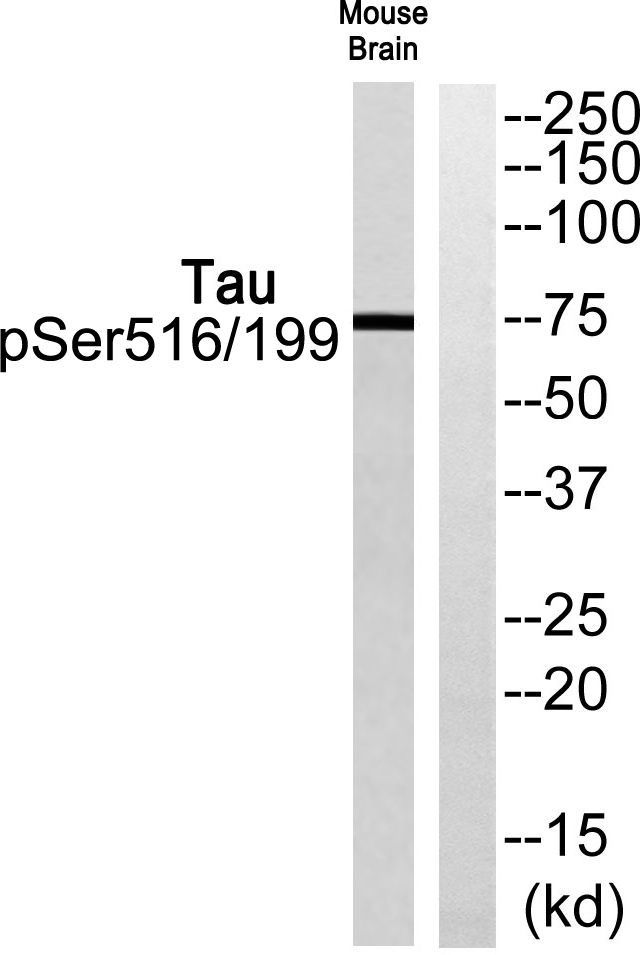
Tau (Phospho Ser516/199) Rabbit pAb
YP0498
More→
Primary Antibodies
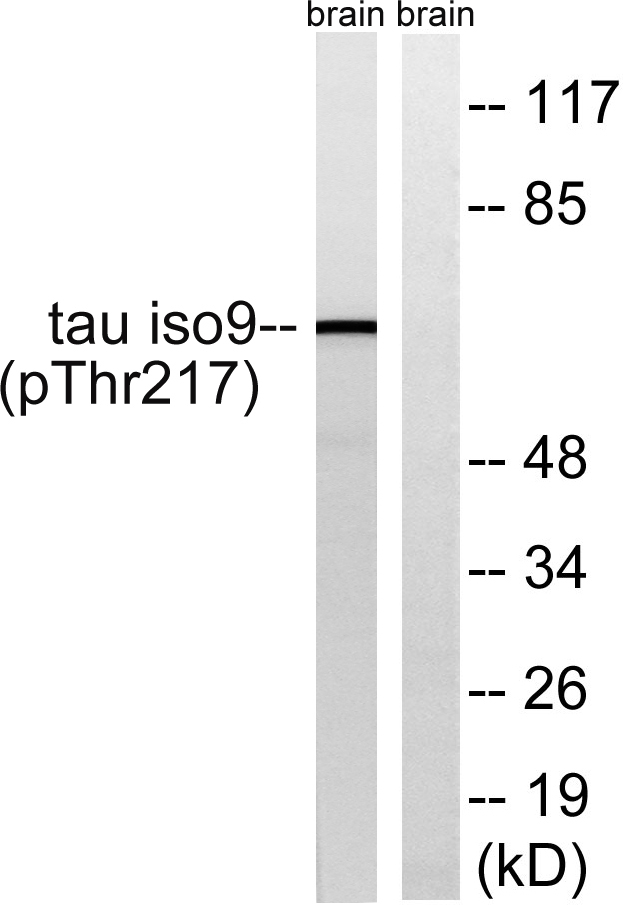
Tau (Phospho Thr534) Rabbit pAb
YP0417
More→
Primary Antibodies
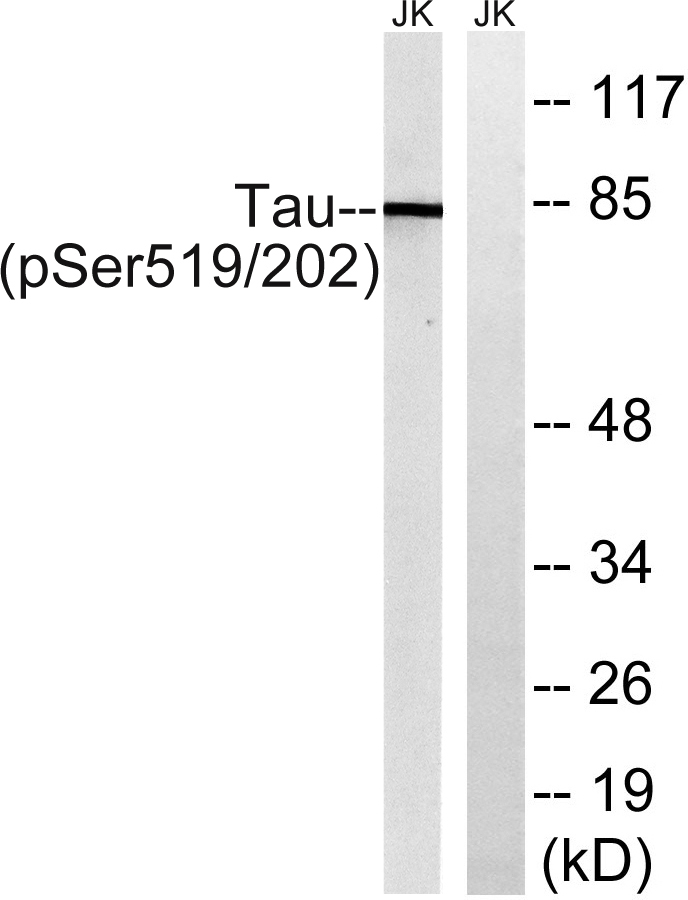
Tau (Phospho Ser519) Rabbit pAb
YP0416
More→
Primary Antibodies
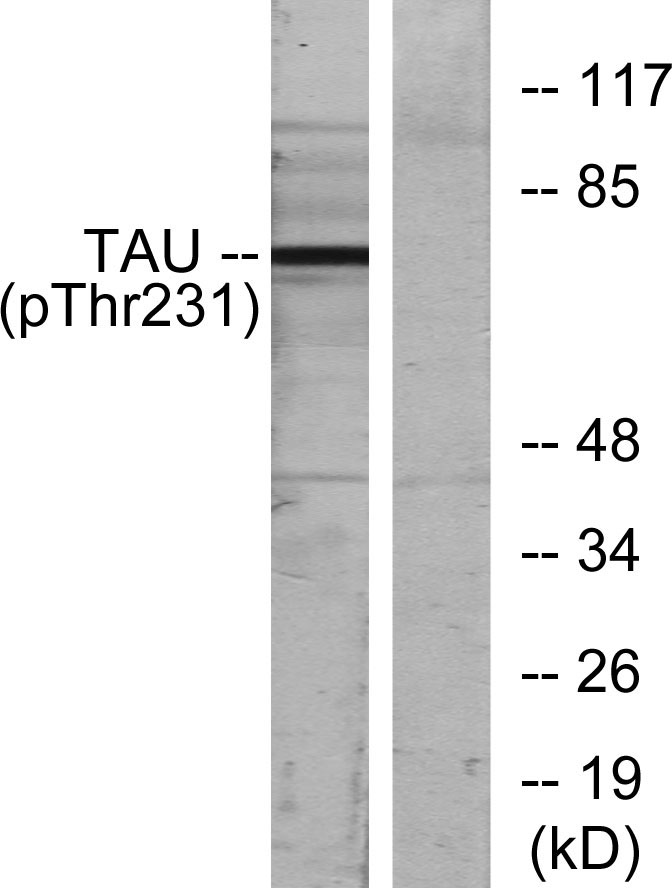
Tau (Phospho Thr231) Rabbit pAb
YP0267
More→
Primary Antibodies
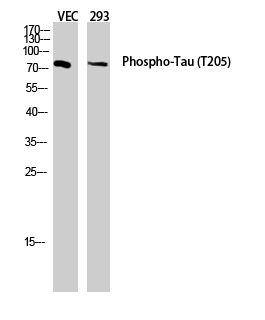
Tau (Phospho Thr205) Rabbit pAb
YP0266
More→
Primary Antibodies
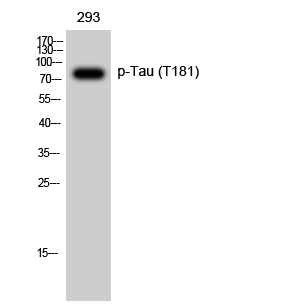
Tau (Phospho Thr181) Rabbit pAb
YP0265
More→
Primary Antibodies
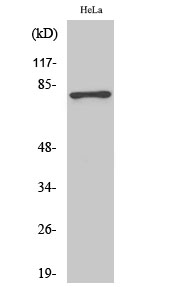
Tau (Phospho Ser404) Rabbit pAb
YP0264
More→
Primary Antibodies
Tau (Phospho Ser396) Rabbit pAb
YP0263
More→
Primary Antibodies
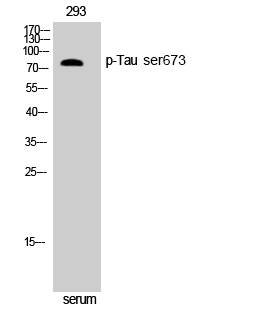
Tau (Phospho Ser673) Rabbit pAb
YP0262
More→
Primary Antibodies
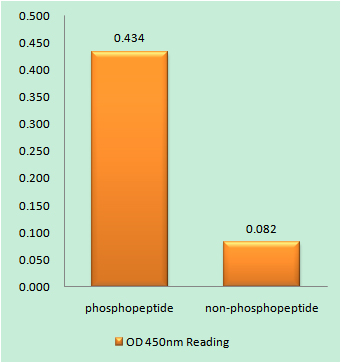
Tau (Phospho Ser262) Rabbit pAb
YP0261
More→
Primary Antibodies
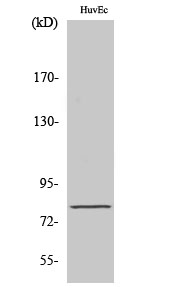
Tau (Phospho Ser235) Rabbit pAb
YP0260
More→
Primary Antibodies
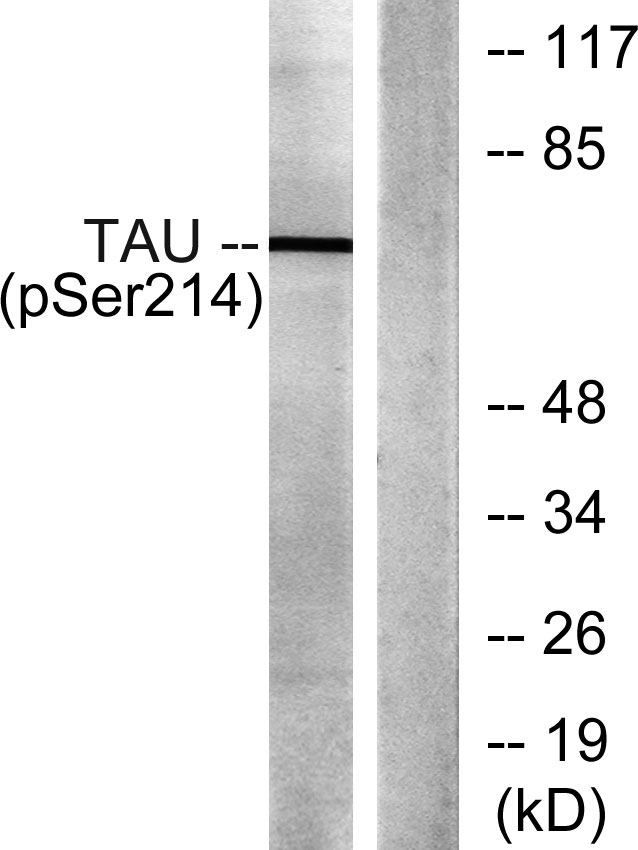
Tau (Phospho Ser214) Rabbit pAb
YP0259
More→
Primary Antibodies
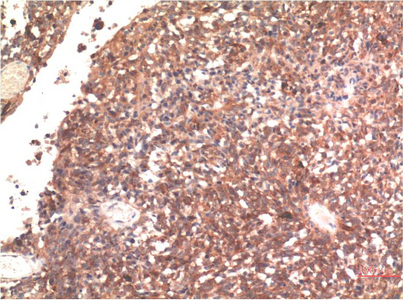
Tau (10E3) Mouse mAb
YM3672
More→
Primary Antibodies
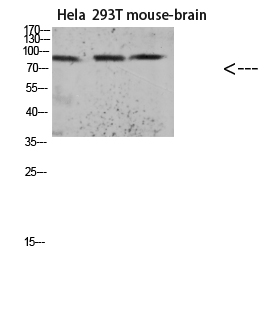
Tau (Acetyl Lys174) Rabbit pAb
YK0084
More→
Primary Antibodies
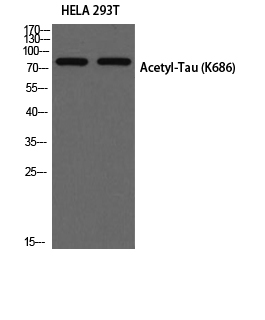
Tau (Acetyl Lys686) Rabbit pAb
YK0072
More→
ELISA Kits
Total Tau Cell-Based Colorimetric ELISA Kit
KA3192C
More→
ELISA Kits
Total Tau Cell-Based Colorimetric ELISA Kit
KA3191C
More→
ELISA Kits
Total Tau Cell-Based Colorimetric ELISA Kit
KA3190C
More→
ELISA Kits
Total Tau Cell-Based Colorimetric ELISA Kit
KA3189C
More→
ELISA Kits
Total Tau Cell-Based Colorimetric ELISA Kit
KA3188C
More→
ELISA Kits
Total Tau Cell-Based Colorimetric ELISA Kit
KA3187C
More→
ELISA Kits
Total Tau Cell-Based Colorimetric ELISA Kit
KA3186C
More→
ELISA Kits
Total Tau Cell-Based Colorimetric ELISA Kit
KA3185C
More→
ELISA Kits
Tau (Phospho Thr212) Cell-Based Colorimetric ELISA Kit
KA1792C
More→
ELISA Kits
Tau (Phospho Ser516/199) Cell-Based Colorimetric ELISA Kit
KA1774C
More→
ELISA Kits
Tau (Phospho Thr534/217) Cell-Based Colorimetric ELISA Kit
KA1692C
More→
ELISA Kits
Tau (Phospho Ser519/202) Cell-Based Colorimetric ELISA Kit
KA1691C
More→
ELISA Kits
Tau (Phospho Thr181) Cell-Based Colorimetric ELISA Kit
KA1671C
More→
ELISA Kits
Tau (Phospho Ser422) Cell-Based Colorimetric ELISA Kit
KA1670C
More→
ELISA Kits
Tau (Phospho Ser404) Cell-Based Colorimetric ELISA Kit
KA1669C
More→
ELISA Kits
Tau (Phospho Ser396) Cell-Based Colorimetric ELISA Kit
KA1668C
More→
ELISA Kits
Tau (Phospho Ser356) Cell-Based Colorimetric ELISA Kit
KA1667C
More→
ELISA Kits
Tau (Phospho Ser262) Cell-Based Colorimetric ELISA Kit
KA1666C
More→
ELISA Kits
Tau (Phospho Ser235) Cell-Based Colorimetric ELISA Kit
KA1665C
More→
ELISA Kits
Tau (Phospho Ser214) Cell-Based Colorimetric ELISA Kit
KA1664C
More→
ELISA Kits
Tau (Phospho Thr231) Cell-Based Colorimetric ELISA Kit
KA1151C
More→
ELISA Kits
Tau (Phospho Thr212) Cell-Based Colorimetric ELISA Kit
KA1150C
More→
ELISA Kits
Tau (Phospho Thr205) Cell-Based Colorimetric ELISA Kit
KA1149C
More→
Antigen&Target Information
Immunogen:
The antiserum was produced against synthesized peptide derived from human Tau around the phosphorylation site of Ser673. AA range:641-690
show all
Specificity:
Phospho-Tau (S673) Polyclonal Antibody detects endogenous levels of Tau protein only when phosphorylated at S673.The name of modified sites may be influenced by many factors, such as species (the modified site was not originally found in human samples) and the change of protein sequence (the previous protein sequence is incomplete, and the protein sequence may be prolonged with the development of protein sequencing technology). When naming, we will use the "numbers" in historical reference to keep the sites consistent with the reports. The antibody binds to the following modification sequence (lowercase letters are modification sites):IGsLD
show all
Gene Name:
MAPT
show all
Protein Name:
Microtubule-associated protein tau (Neurofibrillary tangle protein) (Paired helical filament-tau) (PHF-tau)
show all
Other Name:
MAPT ;
MAPTL ;
MTBT1 ;
TAU ;
Microtubule-associated protein tau ;
Neurofibrillary tangle protein ;
Paired helical filament-tau ;
PHF-tau
MAPTL ;
MTBT1 ;
TAU ;
Microtubule-associated protein tau ;
Neurofibrillary tangle protein ;
Paired helical filament-tau ;
PHF-tau
show all
Background:
This gene encodes the microtubule-associated protein tau (MAPT) whose transcript undergoes complex , regulated alternative splicing , giving rise to several mRNA species. MAPT transcripts are differentially expressed in the nervous system , depending on stage of neuronal maturation and neuron type. MAPT gene mutations have been associated with several neurodegenerative disorders such as Alzheimer's disease , Pick's disease , frontotemporal dementia , cortico-basal degeneration and progressive supranuclear palsy. [provided by RefSeq , Jul 2008] ,
show all
Function:
Alternative products:Additional isoforms seem to exist. Isoforms differ from each other by the presence or absence of up to 5 of the 15 exons. One of these optional exons contains the additional tau/MAP repeat ,developmental stage:Four-repeat (type II) tau is expressed in an adult-specific manner and is not found in fetal brain , whereas three-repeat (type I) tau is found in both adult and fetal brain. ,Disease:Defects in MAPT are a cause of corticobasal degeneration (CBD) . It is marked by extrapyramidal signs and apraxia and can be associated with memory loss. Neuropathologic features may overlap Alzheimer disease , progressive supranuclear palsy , and Parkinson disease. ,Disease:Defects in MAPT are a cause of frontotemporal dementia and parkinsonism linked to chromosome 17 (FTDP17) [MIM:600274 , 172700]; also called frontotemporal dementia (FTD) or historically termed Pick complex. This form of frontotemporal dementia is characterized by presenile dementia with behavioral changes , deterioration of cognitive capacities and loss of memory. In some cases , parkinsonian symptoms are prominent. Neuropathological changes include frontotemporal atrophy often associated with atrophy of the basal ganglia , substantia nigra , amygdala. In most cases , protein tau deposits are found in glial cells and/or neurons. ,Disease:Defects in MAPT are a cause of pallido-ponto-nigral degeneration (PPND) [MIM:168610]. The clinical features include ocular motility abnormalities , dystonia and urinary incontinence , besides progressive parkinsonism and dementia. ,Disease:Defects in MAPT are a cause of progressive supranuclear palsy (PSP) [MIM:601104 , 260540]; also known as Steele-Richardson-Olszewski syndrome. PSP is characterized by akinetic-rigid syndrome , supranuclear gaze palsy , pyramidal tract dysfunction , pseudobulbar signs and cognitive capacities deterioration. Neurofibrillary tangles and gliosis but no amyloid plaques are found in diseased brains. Most cases appear to be sporadic , with a significant association with a common haplotype including the MAPT gene and the flanking regions. Familial cases show an autosomal dominant pattern of transmission with incomplete penetrance; genetic analysis of a few cases showed the occurrence of tau mutations , including a deletion of Asn-613. ,Disease:Defects in MAPT may be a cause of hereditary dysphasic disinhibition dementia (HDDD) [MIM:607485]. HDDD is a frontotemporal dementia characterized by progressive cognitive deficits with memory loss and personality changes , severe dysphasic disturbances leading to mutism , and hyperphagia. ,Disease:In Alzheimer disease , the neuronal cytoskeleton in the brain is progressively disrupted and replaced by tangles of paired helical filaments (PHF) and straight filaments , mainly composed of hyperphosphorylated forms of TAU (PHF-TAU or AD P-TAU) . ,Domain:The tau/MAP repeat binds to tubulin. Type I isoforms contain 3 repeats while type II isoforms contain 4 repeats. ,Function:Promotes microtubule assembly and stability , and might be involved in the establishment and maintenance of neuronal polarity. The C-terminus binds axonal microtubules while the N-terminus binds neural plasma membrane components , suggesting that tau functions as a linker protein between both. Axonal polarity is predetermined by tau localization (in the neuronal cell) in the domain of the cell body defined by the centrosome. The short isoforms allow plasticity of the cytoskeleton whereas the longer isoforms may preferentially play a role in its stabilization. ,online information:Tau mutations ,online information:Tau protein entry ,online information:Vita minima - Issue 68 of March 2006 ,PTM:Glycation of PHF-tau , but not normal brain tau. Glycation is a non-enzymatic post-translational modification that involves a covalent linkage between a sugar and an amino group of a protein molecule forming ketoamine. Subsequent oxidation , fragmentation and/or cross-linking of ketoamine leads to the production of advanced glycation endproducts (AGES) . Glycation may play a role in stabilizing PHF aggregation leading to tangle formation in AD. ,PTM:Phosphorylation at serine and threonine residues in S-P or T-P motifs by proline-directed protein kinases (PDPK: CDC2 , CDK5 , GSK-3 , MAPK) (only 2-3 sites per protein in interphase , seven-fold increase in mitosis , and in PHF-tau) , and at serine residues in K-X-G-S motifs by MAP/microtubule affinity-regulating kinase (MARK) in Alzheimer diseased brains. Phosphorylation decreases with age. Phosphorylation within tau's repeat domain or in flanking regions seems to reduce tau's interaction with , respectively , microtubules or plasma membrane components. Phosphorylation on Ser-610 , Ser-622 , Ser-641 and Ser-673 in several isoforms during mitosis. ,PTM:Polyubiquitinated. Requires functional TRAF6 and may provoke SQSTM1-dependent degradation by the proteasome (By similarity) . PHF-tau can be modified by three different forms of polyubiquitination. 'Lys-48'-linked polyubiquitination is the major form , 'Lys-6'-linked and 'Lys-11'-linked polyubiquitination also occur. ,similarity:Contains 4 Tau/MAP repeats. ,subcellular location:Mostly found in the axons of neurons , in the cytosol and in association with plasma membrane components. ,subunit:Interacts with PSMC2 through SQSTM1 (By similarity) . Interacts with SQSTM1 when polyubiquitinated. ,tissue specificity:Expressed in neurons. Isoform PNS-tau is expressed in the peripheral nervous system while the others are expressed in the central nervous system. ,
show all
Cellular Localization:
Cytoplasm , cytosol . Cell membrane ; Peripheral membrane protein ; Cytoplasmic side . Cytoplasm , cytoskeleton . Cell projection , axon . Cell projection , dendrite . Secreted . Mostly found in the axons of neurons , in the cytosol and in association with plasma membrane components (PubMed:10747907) . Can be secreted; the secretion is dependent on protein unfolding and facilitated by the cargo receptor TMED10; it results in protein translocation from the cytoplasm into the ERGIC (endoplasmic reticulum-Golgi intermediate compartment) followed by vesicle entry and secretion (PubMed:32272059) . .
show all
Tissue Expression:
Research Areas:
>>MAPK signaling pathway ;
>>Alzheimer disease ;
>>Parkinson disease ;
>>Pathways of neurodegeneration - multiple diseases
>>Alzheimer disease ;
>>Parkinson disease ;
>>Pathways of neurodegeneration - multiple diseases
show all
Signaling Pathway
Human Diseases >> Neurodegenerative disease >> Alzheimer disease
Human Diseases >> Neurodegenerative disease >> Parkinson disease
Human Diseases >> Neurodegenerative disease >> Pathways of neurodegeneration - multiple diseases
Environmental Information Processing >> Signal transduction >> MAPK signaling pathway
Reference Citation({{totalcount}})
Catalog: YP0262
Size
Price
Status
Qty.
200μL
$600.00
3 weeks
0
100μL
$340.00
3 weeks
0
50μL
$190.00
3 weeks
0
Add to cart
Collected
Collect
Recently Viewed Products
Clear allPRODUCTS
CUSTOMIZED
ABOUT US



Toggle night Mode
{{pinfoXq.title || ''}}
Catalog: {{pinfoXq.catalog || ''}}
Filter:
All
{{item.name}}
{{pinfo.title}}
-{{pinfo.catalog}}
Main Information
Target
{{pinfo.target}}
Reactivity
{{pinfo.react}}
Applications
{{pinfo.applicat}}
Conjugate/Modification
{{pinfo.coupling}}/{{pinfo.modific}}
MW (kDa)
{{pinfo.mwcalc}}
Host Species
{{pinfo.hostspec}}
Isotype
{{pinfo.isotype}}
Product {{index}}/{{pcount}}
Prev
Next
{{pvTitle}}
Scroll wheel zooms the picture
{{pvDescr}}