





Catalog: YP0186
Size
Price
Status
Qty.
200μL
$600.00
3 weeks
0
100μL
$340.00
3 weeks
0
50μL
$190.00
3 weeks
0
Add to cart


Collected
Collect
Main Information
Target
NFκB1 Phospho Ser337
Host Species
Rabbit
Reactivity
Human, Mouse, Rat
Applications
WB, IHC, IF, ELISA
MW
105kD (Calculated)
Conjugate/Modification
phosphate
Detailed Information
Recommended Dilution Ratio
WB 1:500-1:2000; IHC 1:100-1:300; IF 1:200-1:1000; ELISA 1:20000; Not yet tested in other applications.
Formulation
Liquid in PBS containing 50% glycerol, 0.5% BSA and 0.02% sodium azide.
Specificity
Phospho-NFκB-p105/p50 (S337) Polyclonal Antibody detects endogenous levels of NFκB-p105/p50 protein only when phosphorylated at S337.The name of modified sites may be influenced by many factors, such as species (the modified site was not originally found in human samples) and the change of protein sequence (the previous protein sequence is incomplete, and the protein sequence may be prolonged with the development of protein sequencing technology). When naming, we will use the "numbers" in historical reference to keep the sites consistent with the reports. The antibody binds to the following modification sequence (lowercase letters are modification sites):RKsDL
Purification
The antibody was affinity-purified from rabbit antiserum by affinity-chromatography using epitope-specific immunogen.
Storage
-15°C to -25°C/1 year (Do not lower than -25°C)
Concentration
1 mg/ml
MW(Calculated)
105kD
Modification
phosphate
Clonality
Polyclonal
Isotype
IgG
Related Products
Secondary Antibodies
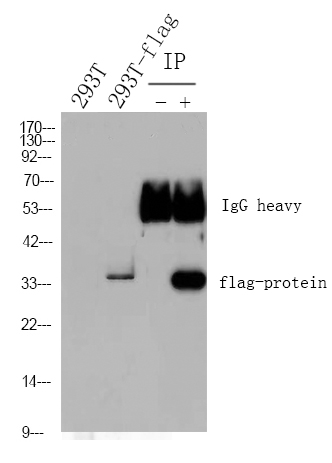
Goat Anti Mouse IgG(H+L) (HRP)
RS0001
More→
Secondary Antibodies
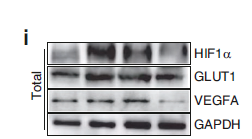
Goat Anti Rabbit IgG(H+L) (HRP)
RS0002
More→
Primary Antibodies
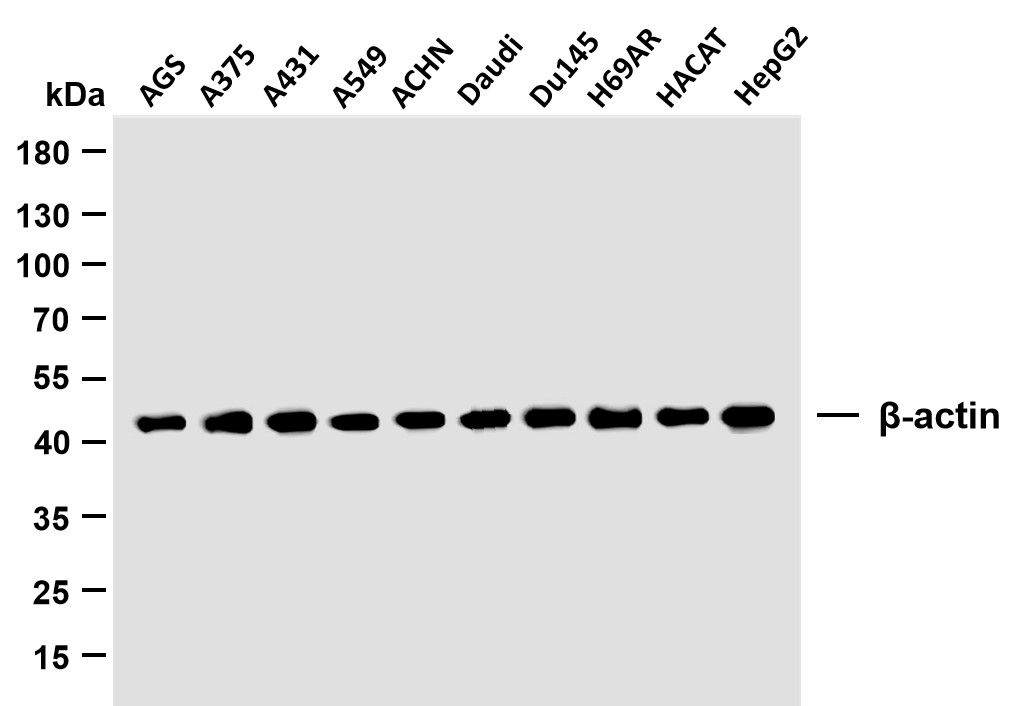
β-actin (PTR2364) Mouse mAb
YM3028
More→
Primary Antibodies
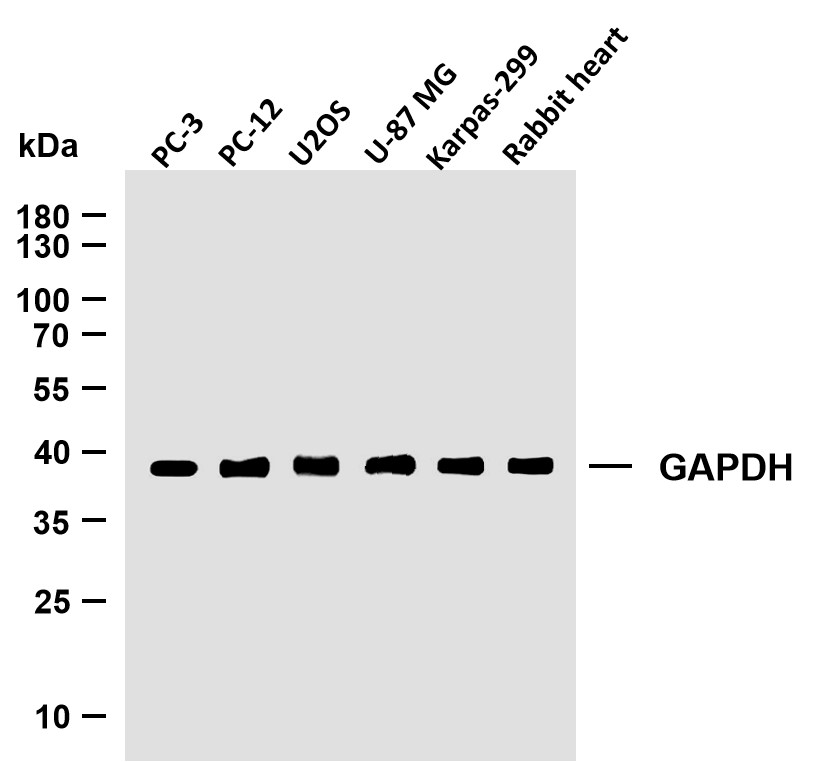
GAPDH (PTR2304) Mouse mAb
YM3029
More→
Antigen&Target Information
Immunogen:
The antiserum was produced against synthesized peptide derived from human NF-kappaB p105/p50 around the phosphorylation site of Ser337. AA range:304-353
show all
Specificity:
Phospho-NFκB-p105/p50 (S337) Polyclonal Antibody detects endogenous levels of NFκB-p105/p50 protein only when phosphorylated at S337.The name of modified sites may be influenced by many factors, such as species (the modified site was not originally found in human samples) and the change of protein sequence (the previous protein sequence is incomplete, and the protein sequence may be prolonged with the development of protein sequencing technology). When naming, we will use the "numbers" in historical reference to keep the sites consistent with the reports. The antibody binds to the following modification sequence (lowercase letters are modification sites):RKsDL
show all
Gene Name:
NFKB1
show all
Protein Name:
Nuclear factor NF-kappa-B p105 subunit
show all
Other Name:
NFKB1 ;
Nuclear factor NF-kappa-B p105 subunit ;
DNA-binding factor KBF1 ;
EBP-1 ;
Nuclear factor of kappa light polypeptide gene enhancer in B-cells 1
Nuclear factor NF-kappa-B p105 subunit ;
DNA-binding factor KBF1 ;
EBP-1 ;
Nuclear factor of kappa light polypeptide gene enhancer in B-cells 1
show all
Background:
nuclear factor kappa B subunit 1 (NFKB1) Homo sapiens This gene encodes a 105 kD protein which can undergo cotranslational processing by the 26S proteasome to produce a 50 kD protein. The 105 kD protein is a Rel protein-specific transcription inhibitor and the 50 kD protein is a DNA binding subunit of the NF-kappa-B (NFKB) protein complex. NFKB is a transcription regulator that is activated by various intra- and extra-cellular stimuli such as cytokines , oxidant-free radicals , ultraviolet irradiation , and bacterial or viral products. Activated NFKB translocates into the nucleus and stimulates the expression of genes involved in a wide variety of biological functions. Inappropriate activation of NFKB has been associated with a number of inflammatory diseases while persistent inhibition of NFKB leads to inappropriate immune cell development or delayed cell growth. Alternative splicing results in multiple transcript variants encoding different isof
show all
Function:
Domain:Glycine-rich region (GRR) appears to be a critical element in the generation of p50. ,Domain:The C-terminus of p105 might be involved in cytoplasmic retention , inhibition of DNA-binding , and transcription activation. ,Function:NF-kappa-B is a pleiotropic transcription factor which is present in almost all cell types and is involved in many biological processed such as inflammation , immunity , differentiation , cell growth , tumorigenesis and apoptosis. NF-kappa-B is a homo- or heterodimeric complex formed by the Rel-like domain-containing proteins RELA/p65 , RELB , NFKB1/p105 , NFKB1/p50 , REL and NFKB2/p52 and the heterodimeric p65-p50 complex appears to be most abundant one. The dimers bind at kappa-B sites in the DNA of their target genes and the individual dimers have distinct preferences for different kappa-B sites that they can bind with distinguishable affinity and specificity. Different dimer combinations act as transcriptional activators or repressors , respectively. NF-kappa-B is controlled by various mechanisms of post-translational modification and subcellular compartmentalization as well as by interactions with other cofactors or corepressors. NF-kappa-B complexes are held in the cytoplasm in an inactive state complexed with members of the NF-kappa-B inhibitor (I-kappa-B) family. In a conventional activation pathway , I-kappa-B is phosphorylated by I-kappa-B kinases (IKKs) in response to different activators , subsequently degraded thus liberating the active NF-kappa-B complex which translocates to the nucleus. NF-kappa-B heterodimeric p65-p50 and RelB-p50 complexes are transcriptional activators. The NF-kappa-B p50-p50 homodimer is a transcriptional repressor , but can act as a transcriptional activator when associated with BCL3. NFKB1 appears to have dual functions such as cytoplasmic retention of attached NF-kappa-B proteins by p105 and generation of p50 by a cotranslational processing. The proteasome-mediated process ensures the production of both p50 and p105 and preserves their independent function , although processing of NFKB1/p105 also appears to occur post-translationally. p50 binds to the kappa-B consensus sequence 5'-GGRNNYYCC-3' , located in the enhancer region of genes involved in immune response and acute phase reactions. In a complex with MAP3K8 , NFKB1/p105 represses MAP3K8-induced MAPK signaling; active MAP3K8 is released by proteasome-dependent degradation of NFKB1/p105. ,induction:By phorbol ester and TNF-alpha. ,PTM:Phosphorylation at 'Ser-903' and 'Ser-907' primes p105 for proteolytic processing in response to TNF-alpha stimulation. Phosphorylation at 'Ser-927' and 'Ser-932' are required for BTRC/BTRCP-mediated proteolysis. ,PTM:Polyubiquitination seems to allow p105 processing. ,PTM:S-nitrosylation of Cys-61 affects DNA binding. ,PTM:While translation occurs , the particular unfolded structure after the GRR repeat promotes the generation of p50 making it an acceptable substrate for the proteasome. This process is known as cotranslational processing. The processed form is active and the unprocessed form acts as an inhibitor (I kappa B-like) , being able to form cytosolic complexes with NF-kappa B , trapping it in the cytoplasm. Complete folding of the region downstream of the GRR repeat precludes processing. ,similarity:Contains 1 death domain. ,similarity:Contains 1 RHD (Rel-like) domain. ,similarity:Contains 7 ANK repeats. ,subcellular location:Nuclear , but also found in the cytoplasm in an inactive form complexed to an inhibitor (I-kappa-B) . ,subunit:Component of the NF-kappa-B p65-p50 complex. Component of the NF-kappa-B p65-p50 complex. Homodimer; component of the NF-kappa-B p50-p50 complex. Component of the NF-kappa-B p105-p50 complex. Component of the NF-kappa-B p50-c-Rel complex. Component of a complex consisting of the NF-kappa-B p50-p50 homodimer and BCL3. Also interacts with MAP3K8. NF-kappa-B p50 subunit interacts with NCOA3 coactivator , which may coactivate NF-kappa-B dependent expression via its histone acetyltransferase activity. Interacts with DSIPI; this interaction prevents nuclear translocation and DNA-binding. Interacts with SPAG9 and UNC5CL. NFKB1/p105 interacts with CFLAR; the interaction inhibits p105 processing into p50. NFKB1/p105 forms a ternary complex with MAP3K8 and TNIP2. Interacts with GSK3B; the interaction prevents processing of p105 to p50. NFKB1/p50 interacts with NFKBIE. NFKB1/p50 interacts with NFKBIZ. Nuclear factor NF-kappa-B p50 subunit interacts with NFKBID. ,
show all
Cellular Localization:
Nucleus. Cytoplasm. Nuclear , but also found in the cytoplasm in an inactive form complexed to an inhibitor (I-kappa-B) .
show all
Tissue Expression:
show all
Research Areas:
>>Antifolate resistance ;
>>MAPK signaling pathway ;
>>Ras signaling pathway ;
>>cAMP signaling pathway ;
>>Chemokine signaling pathway ;
>>NF-kappa B signaling pathway ;
>>HIF-1 signaling pathway ;
>>Sphingolipid signaling pathway ;
>>PI3K-Akt signaling pathway ;
>>Apoptosis ;
>>Longevity regulating pathway ;
>>Cellular senescence ;
>>Osteoclast differentiation ;
>>Neutrophil extracellular trap formation ;
>>Toll-like receptor signaling pathway ;
>>NOD-like receptor signaling pathway ;
>>RIG-I-like receptor signaling pathway ;
>>Cytosolic DNA-sensing pathway ;
>>C-type lectin receptor signaling pathway ;
>>IL-17 signaling pathway ;
>>Th1 and Th2 cell differentiation ;
>>Th17 cell differentiation ;
>>T cell receptor signaling pathway ;
>>B cell receptor signaling pathway ;
>>TNF signaling pathway ;
>>Neurotrophin signaling pathway ;
>>Prolactin signaling pathway ;
>>Adipocytokine signaling pathway ;
>>Relaxin signaling pathway ;
>>Insulin resistance ;
>>Non-alcoholic fatty liver disease ;
>>AGE-RAGE signaling pathway in diabetic complications ;
>>Alcoholic liver disease ;
>>Alzheimer disease ;
>>Pathways of neurodegeneration - multiple diseases ;
>>Cocaine addiction ;
>>Epithelial cell signaling in Helicobacter pylori infection ;
>>Pathogenic Escherichia coli infection ;
>>Shigellosis ;
>>Salmonella infection ;
>>Pertussis ;
>>Legionellosis ;
>>Yersinia infection ;
>>Leishmaniasis ;
>>Chagas disease ;
>>Toxoplasmosis ;
>>Amoebiasis ;
>>Tuberculosis ;
>>Hepatitis C ;
>>Hepatitis B ;
>>Measles ;
>>Human cytomegalovirus infection ;
>>Influenza A ;
>>Human papillomavirus infection ;
>>Human T-cell leukemia virus 1 infection ;
>>Kaposi sarcoma-associated herpesvirus infection ;
>>Herpes simplex virus 1 infection ;
>>Epstein-Barr virus infection ;
>>Human immunodeficiency virus 1 infection ;
>>Coronavirus disease - COVID-19 ;
>>Pathways in cancer ;
>>Transcriptional misregulation in cancer ;
>>Viral carcinogenesis ;
>>MicroRNAs in cancer ;
>>Chemical carcinogenesis - receptor activation ;
>>Chemical carcinogenesis - reactive oxygen species ;
>>Pancreatic cancer ;
>>Prostate cancer ;
>>Chronic myeloid leukemia ;
>>Acute myeloid leukemia ;
>>Small cell lung cancer ;
>>PD-L1 expression and PD-1 checkpoint pathway in cancer ;
>>Inflammatory bowel disease ;
>>Diabetic cardiomyopathy ;
>>Lipid and atherosclerosis ;
>>Fluid shear stress and atherosclerosis
>>MAPK signaling pathway ;
>>Ras signaling pathway ;
>>cAMP signaling pathway ;
>>Chemokine signaling pathway ;
>>NF-kappa B signaling pathway ;
>>HIF-1 signaling pathway ;
>>Sphingolipid signaling pathway ;
>>PI3K-Akt signaling pathway ;
>>Apoptosis ;
>>Longevity regulating pathway ;
>>Cellular senescence ;
>>Osteoclast differentiation ;
>>Neutrophil extracellular trap formation ;
>>Toll-like receptor signaling pathway ;
>>NOD-like receptor signaling pathway ;
>>RIG-I-like receptor signaling pathway ;
>>Cytosolic DNA-sensing pathway ;
>>C-type lectin receptor signaling pathway ;
>>IL-17 signaling pathway ;
>>Th1 and Th2 cell differentiation ;
>>Th17 cell differentiation ;
>>T cell receptor signaling pathway ;
>>B cell receptor signaling pathway ;
>>TNF signaling pathway ;
>>Neurotrophin signaling pathway ;
>>Prolactin signaling pathway ;
>>Adipocytokine signaling pathway ;
>>Relaxin signaling pathway ;
>>Insulin resistance ;
>>Non-alcoholic fatty liver disease ;
>>AGE-RAGE signaling pathway in diabetic complications ;
>>Alcoholic liver disease ;
>>Alzheimer disease ;
>>Pathways of neurodegeneration - multiple diseases ;
>>Cocaine addiction ;
>>Epithelial cell signaling in Helicobacter pylori infection ;
>>Pathogenic Escherichia coli infection ;
>>Shigellosis ;
>>Salmonella infection ;
>>Pertussis ;
>>Legionellosis ;
>>Yersinia infection ;
>>Leishmaniasis ;
>>Chagas disease ;
>>Toxoplasmosis ;
>>Amoebiasis ;
>>Tuberculosis ;
>>Hepatitis C ;
>>Hepatitis B ;
>>Measles ;
>>Human cytomegalovirus infection ;
>>Influenza A ;
>>Human papillomavirus infection ;
>>Human T-cell leukemia virus 1 infection ;
>>Kaposi sarcoma-associated herpesvirus infection ;
>>Herpes simplex virus 1 infection ;
>>Epstein-Barr virus infection ;
>>Human immunodeficiency virus 1 infection ;
>>Coronavirus disease - COVID-19 ;
>>Pathways in cancer ;
>>Transcriptional misregulation in cancer ;
>>Viral carcinogenesis ;
>>MicroRNAs in cancer ;
>>Chemical carcinogenesis - receptor activation ;
>>Chemical carcinogenesis - reactive oxygen species ;
>>Pancreatic cancer ;
>>Prostate cancer ;
>>Chronic myeloid leukemia ;
>>Acute myeloid leukemia ;
>>Small cell lung cancer ;
>>PD-L1 expression and PD-1 checkpoint pathway in cancer ;
>>Inflammatory bowel disease ;
>>Diabetic cardiomyopathy ;
>>Lipid and atherosclerosis ;
>>Fluid shear stress and atherosclerosis
show all
Signaling Pathway
Cellular Processes >> Cell growth and death >> Apoptosis
Cellular Processes >> Cell growth and death >> Cellular senescence
Organismal Systems >> Immune system >> Neutrophil extracellular trap formation
Organismal Systems >> Immune system >> Toll-like receptor signaling pathway
Organismal Systems >> Immune system >> NOD-like receptor signaling pathway
Organismal Systems >> Immune system >> RIG-I-like receptor signaling pathway
Organismal Systems >> Immune system >> Cytosolic DNA-sensing pathway
Organismal Systems >> Immune system >> T cell receptor signaling pathway
Organismal Systems >> Immune system >> Th1 and Th2 cell differentiation
Organismal Systems >> Immune system >> Th17 cell differentiation
Organismal Systems >> Immune system >> IL-17 signaling pathway
Organismal Systems >> Immune system >> B cell receptor signaling pathway
Organismal Systems >> Immune system >> Chemokine signaling pathway
Organismal Systems >> Endocrine system >> Adipocytokine signaling pathway
Organismal Systems >> Endocrine system >> Prolactin signaling pathway
Organismal Systems >> Endocrine system >> Relaxin signaling pathway
Organismal Systems >> Nervous system >> Neurotrophin signaling pathway
Organismal Systems >> Development and regeneration >> Osteoclast differentiation
Organismal Systems >> Aging >> Longevity regulating pathway
Human Diseases >> Cancer: overview >> Pathways in cancer
Human Diseases >> Cancer: overview >> Transcriptional misregulation in cancer
Human Diseases >> Cancer: overview >> MicroRNAs in cancer
Human Diseases >> Cancer: overview >> PD-L1 expression and PD-1 checkpoint pathway in cancer
Human Diseases >> Cancer: specific types >> Pancreatic cancer
Human Diseases >> Cancer: specific types >> Acute myeloid leukemia
Human Diseases >> Cancer: specific types >> Chronic myeloid leukemia
Human Diseases >> Cancer: specific types >> Prostate cancer
Human Diseases >> Cancer: specific types >> Small cell lung cancer
Human Diseases >> Immune disease >> Inflammatory bowel disease
Human Diseases >> Neurodegenerative disease >> Alzheimer disease
Human Diseases >> Neurodegenerative disease >> Pathways of neurodegeneration - multiple diseases
Environmental Information Processing >> Signal transduction >> MAPK signaling pathway
Environmental Information Processing >> Signal transduction >> Ras signaling pathway
Environmental Information Processing >> Signal transduction >> NF-kappa B signaling pathway
Environmental Information Processing >> Signal transduction >> TNF signaling pathway
Environmental Information Processing >> Signal transduction >> HIF-1 signaling pathway
Environmental Information Processing >> Signal transduction >> Sphingolipid signaling pathway
Environmental Information Processing >> Signal transduction >> cAMP signaling pathway
Environmental Information Processing >> Signal transduction >> PI3K-Akt signaling pathway
Reference Citation({{totalcount}})
Catalog: YP0186
Size
Price
Status
Qty.
200μL
$600.00
3 weeks
0
100μL
$340.00
3 weeks
0
50μL
$190.00
3 weeks
0
Add to cart
Collected
Collect
Recently Viewed Products
Clear allPRODUCTS
CUSTOMIZED
ABOUT US



Toggle night Mode
{{pinfoXq.title || ''}}
Catalog: {{pinfoXq.catalog || ''}}
Filter:
All
{{item.name}}
{{pinfo.title}}
-{{pinfo.catalog}}
Main Information
Target
{{pinfo.target}}
Reactivity
{{pinfo.react}}
Applications
{{pinfo.applicat}}
Conjugate/Modification
{{pinfo.coupling}}/{{pinfo.modific}}
MW (kDa)
{{pinfo.mwcalc}}
Host Species
{{pinfo.hostspec}}
Isotype
{{pinfo.isotype}}
Product {{index}}/{{pcount}}
Prev
Next
{{pvTitle}}
Scroll wheel zooms the picture
{{pvDescr}}