
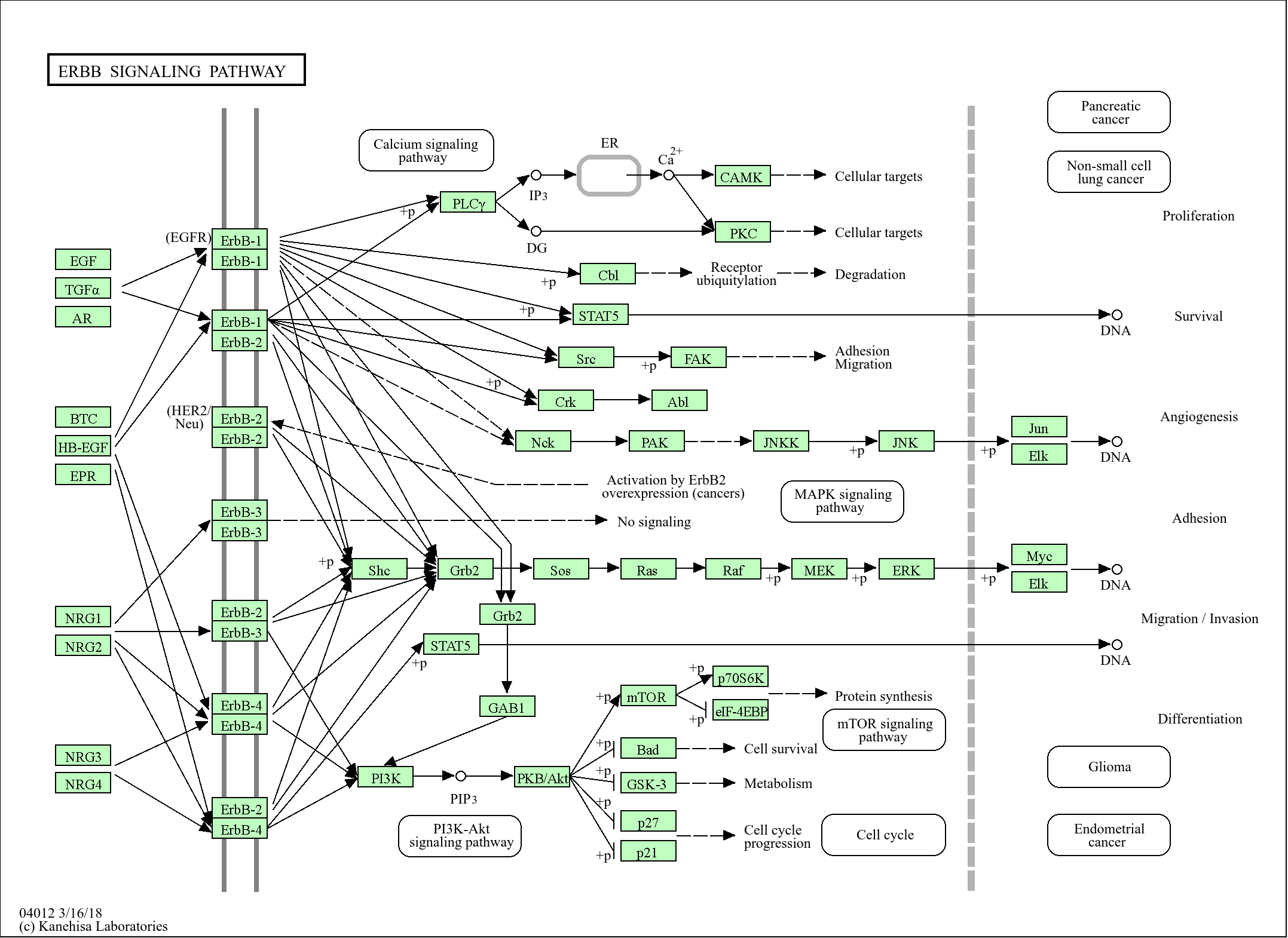





Catalog: YP0137
Size
Price
Status
Qty.
200μL
$600.00
3 weeks
0
100μL
$340.00
3 weeks
0
50μL
$190.00
3 weeks
0
Add to cart


Collected
Collect
Main Information
Target
CD54 Phospho Tyr512
Host Species
Rabbit
Reactivity
Human, Mouse, Rat
Applications
WB, ELISA
MW
57kD (Observed)
Conjugate/Modification
phosphate
Detailed Information
Recommended Dilution Ratio
WB 1:500-1:2000; ELISA 1:40000; Not yet tested in other applications.
Formulation
Liquid in PBS containing 50% glycerol, 0.5% BSA and 0.02% sodium azide.
Specificity
Phospho-ICAM-1 (Y512) Polyclonal Antibody detects endogenous levels of ICAM-1 protein only when phosphorylated at Y512.The name of modified sites may be influenced by many factors, such as species (the modified site was not originally found in human samples) and the change of protein sequence (the previous protein sequence is incomplete, and the protein sequence may be prolonged with the development of protein sequencing technology). When naming, we will use the "numbers" in historical reference to keep the sites consistent with the reports. The antibody binds to the following modification sequence (lowercase letters are modification sites):KKyRL
Purification
The antibody was affinity-purified from rabbit antiserum by affinity-chromatography using epitope-specific immunogen.
Storage
-15°C to -25°C/1 year (Do not lower than -25°C)
Concentration
1 mg/ml
MW(Observed)
57kD
Modification
phosphate
Clonality
Polyclonal
Isotype
IgG
Related Products
Secondary Antibodies
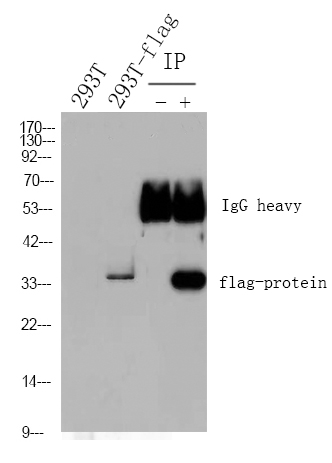
Goat Anti Mouse IgG(H+L) (HRP)
RS0001
More→
Secondary Antibodies
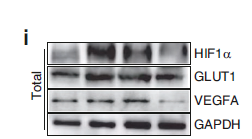
Goat Anti Rabbit IgG(H+L) (HRP)
RS0002
More→
Primary Antibodies
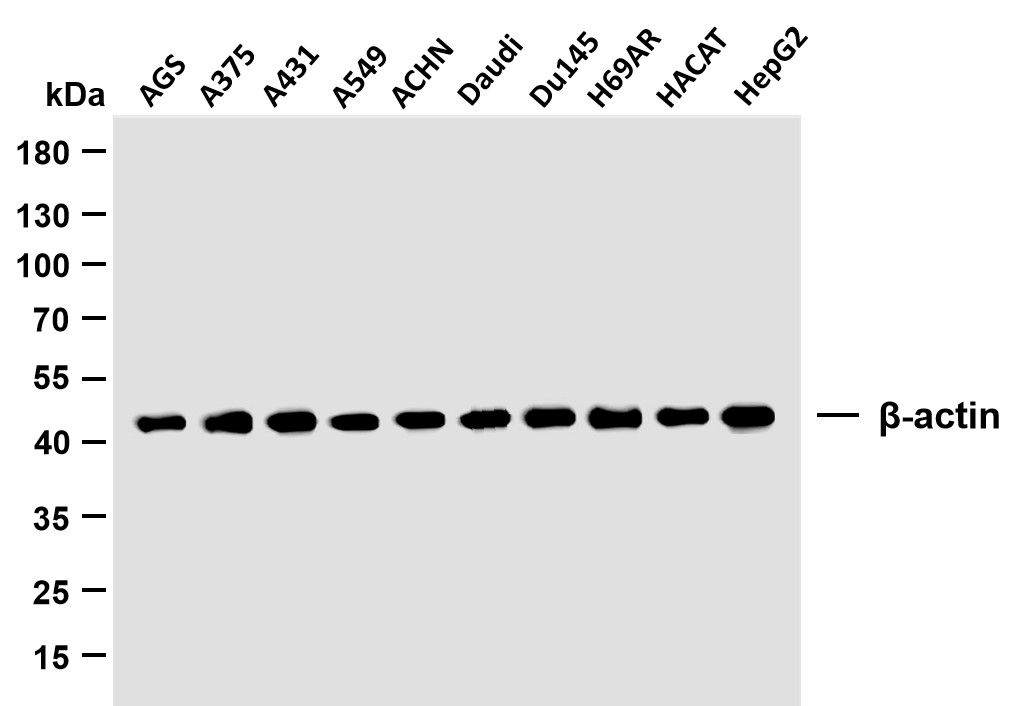
β-actin (PTR2364) Mouse mAb
YM3028
More→
Primary Antibodies
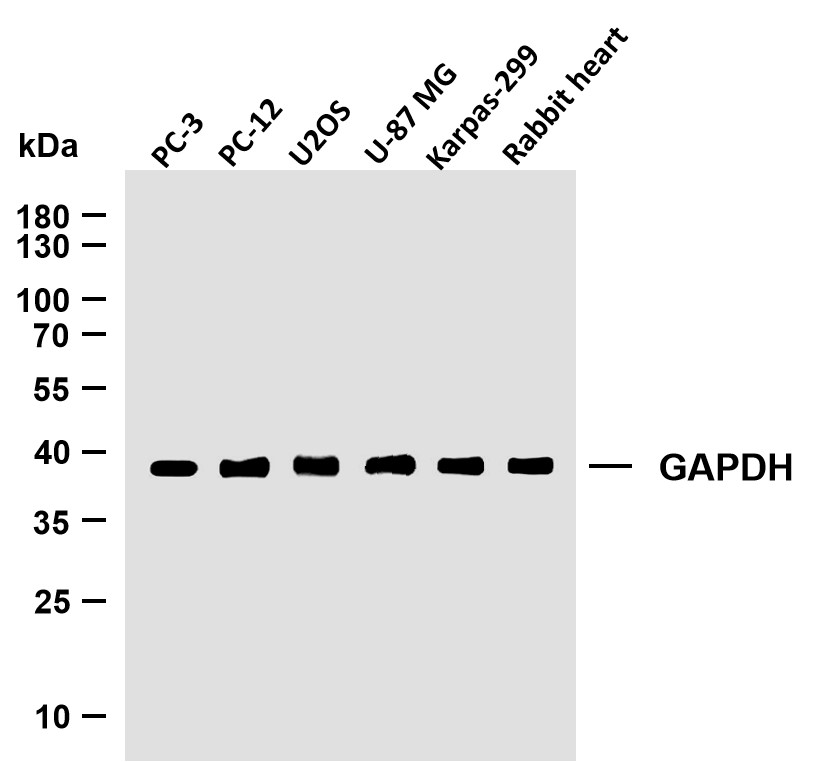
GAPDH (PTR2304) Mouse mAb
YM3029
More→
Antigen&Target Information
Immunogen:
The antiserum was produced against synthesized peptide derived from human ICAM-1 around the phosphorylation site of Tyr512. AA range:479-528
show all
Specificity:
Phospho-ICAM-1 (Y512) Polyclonal Antibody detects endogenous levels of ICAM-1 protein only when phosphorylated at Y512.The name of modified sites may be influenced by many factors, such as species (the modified site was not originally found in human samples) and the change of protein sequence (the previous protein sequence is incomplete, and the protein sequence may be prolonged with the development of protein sequencing technology). When naming, we will use the "numbers" in historical reference to keep the sites consistent with the reports. The antibody binds to the following modification sequence (lowercase letters are modification sites):KKyRL
show all
Gene Name:
ICAM1
show all
Protein Name:
Intercellular adhesion molecule 1
show all
Other Name:
ICAM1 ;
Intercellular adhesion molecule 1 ;
ICAM-1 ;
Major group rhinovirus receptor ;
CD antigen CD54
Intercellular adhesion molecule 1 ;
ICAM-1 ;
Major group rhinovirus receptor ;
CD antigen CD54
show all
Background:
This gene encodes a cell surface glycoprotein which is typically expressed on endothelial cells and cells of the immune system. It binds to integrins of type CD11a / CD18 , or CD11b / CD18 and is also exploited by Rhinovirus as a receptor. [provided by RefSeq , Jul 2008] ,
show all
Function:
Function:ICAM proteins are ligands for the leukocyte adhesion protein LFA-1 (integrin alpha-L/beta-2) . During leukocyte trans-endothelial migration , ICAM1 engagement promotes the assembly of endothelial apical cups through SGEF and RHOG activation. In case of rhinovirus infection acts as a cellular receptor for the virus. ,online information:ICAM-1 ,online information:Icosahedral capsid structure ,online information:Intercellular adhesion molecule entry ,polymorphism:Homozygotes with ICAM1-Kalifi Met-56 seem to have an increased risk for cerebral malaria. ,PTM:Monoubiquitinated , which is promoted by MARCH9 and leads to endocytosis. ,similarity:Belongs to the immunoglobulin superfamily. ICAM family. ,similarity:Contains 5 Ig-like C2-type (immunoglobulin-like) domains. ,subunit:Homodimer (Probable) . Interacts with human herpesvirus 8 MIR2 protein (Probable) . Interacts with MUC1 and promotes cell aggregation in epithelial cells. Interacts with SGEF. Binds to coxsackievirus A21 capsid proteins and acts as a receptor for this virus. ,
show all
Cellular Localization:
Membrane; Single-pass type I membrane protein.
show all
Tissue Expression:
Research Areas:
>>NF-kappa B signaling pathway ;
>>Cell adhesion molecules ;
>>Natural killer cell mediated cytotoxicity ;
>>TNF signaling pathway ;
>>Leukocyte transendothelial migration ;
>>AGE-RAGE signaling pathway in diabetic complications ;
>>African trypanosomiasis ;
>>Malaria ;
>>Staphylococcus aureus infection ;
>>Influenza A ;
>>Human T-cell leukemia virus 1 infection ;
>>Kaposi sarcoma-associated herpesvirus infection ;
>>Epstein-Barr virus infection ;
>>Rheumatoid arthritis ;
>>Viral myocarditis ;
>>Lipid and atherosclerosis ;
>>Fluid shear stress and atherosclerosis
>>Cell adhesion molecules ;
>>Natural killer cell mediated cytotoxicity ;
>>TNF signaling pathway ;
>>Leukocyte transendothelial migration ;
>>AGE-RAGE signaling pathway in diabetic complications ;
>>African trypanosomiasis ;
>>Malaria ;
>>Staphylococcus aureus infection ;
>>Influenza A ;
>>Human T-cell leukemia virus 1 infection ;
>>Kaposi sarcoma-associated herpesvirus infection ;
>>Epstein-Barr virus infection ;
>>Rheumatoid arthritis ;
>>Viral myocarditis ;
>>Lipid and atherosclerosis ;
>>Fluid shear stress and atherosclerosis
show all
Signaling Pathway
Organismal Systems >> Immune system >> Natural killer cell mediated cytotoxicity
Organismal Systems >> Immune system >> Leukocyte transendothelial migration
Human Diseases >> Immune disease >> Rheumatoid arthritis
Environmental Information Processing >> Signal transduction >> NF-kappa B signaling pathway
Environmental Information Processing >> Signal transduction >> TNF signaling pathway
Environmental Information Processing >> Signaling molecules and interaction >> Cell adhesion molecules
Reference Citation({{totalcount}})
Catalog: YP0137
Size
Price
Status
Qty.
200μL
$600.00
3 weeks
0
100μL
$340.00
3 weeks
0
50μL
$190.00
3 weeks
0
Add to cart
Collected
Collect
Recently Viewed Products
Clear allPRODUCTS
CUSTOMIZED
ABOUT US



Toggle night Mode
{{pinfoXq.title || ''}}
Catalog: {{pinfoXq.catalog || ''}}
Filter:
All
{{item.name}}
{{pinfo.title}}
-{{pinfo.catalog}}
Main Information
Target
{{pinfo.target}}
Reactivity
{{pinfo.react}}
Applications
{{pinfo.applicat}}
Conjugate/Modification
{{pinfo.coupling}}/{{pinfo.modific}}
MW (kDa)
{{pinfo.mwcalc}}
Host Species
{{pinfo.hostspec}}
Isotype
{{pinfo.isotype}}
Product {{index}}/{{pcount}}
Prev
Next
{{pvTitle}}
Scroll wheel zooms the picture
{{pvDescr}}