





Catalog: YP0108
Size
Price
Status
Qty.
200μL
$600.00
3 weeks
0
100μL
$340.00
3 weeks
0
50μL
$190.00
3 weeks
0
Add to cart


Collected
Collect
Main Information
Target
FAK Phospho Tyr861
Host Species
Rabbit
Reactivity
Human, Mouse, Rat, Monkey
Applications
WB, ELISA
MW
125kD (Observed)
Conjugate/Modification
phosphate
Detailed Information
Recommended Dilution Ratio
WB 1:500-1:2000; ELISA 1:20000; Not yet tested in other applications.
Formulation
Liquid in PBS containing 50% glycerol, 0.5% BSA and 0.02% sodium azide.
Specificity
Phospho-FAK (Y861) Polyclonal Antibody detects endogenous levels of FAK protein only when phosphorylated at Y861.The name of modified sites may be influenced by many factors, such as species (the modified site was not originally found in human samples) and the change of protein sequence (the previous protein sequence is incomplete, and the protein sequence may be prolonged with the development of protein sequencing technology). When naming, we will use the "numbers" in historical reference to keep the sites consistent with the reports. The antibody binds to the following modification sequence (lowercase letters are modification sites):HIyQP
Purification
The antibody was affinity-purified from rabbit antiserum by affinity-chromatography using epitope-specific immunogen.
Storage
-15°C to -25°C/1 year (Do not lower than -25°C)
Concentration
1 mg/ml
MW(Observed)
125kD
Modification
phosphate
Clonality
Polyclonal
Isotype
IgG
Related Products
Secondary Antibodies
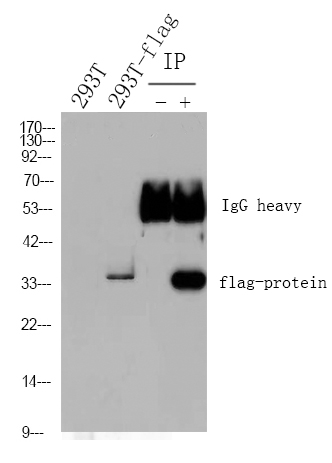
Goat Anti Mouse IgG(H+L) (HRP)
RS0001
More→
Secondary Antibodies
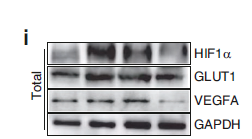
Goat Anti Rabbit IgG(H+L) (HRP)
RS0002
More→
Primary Antibodies
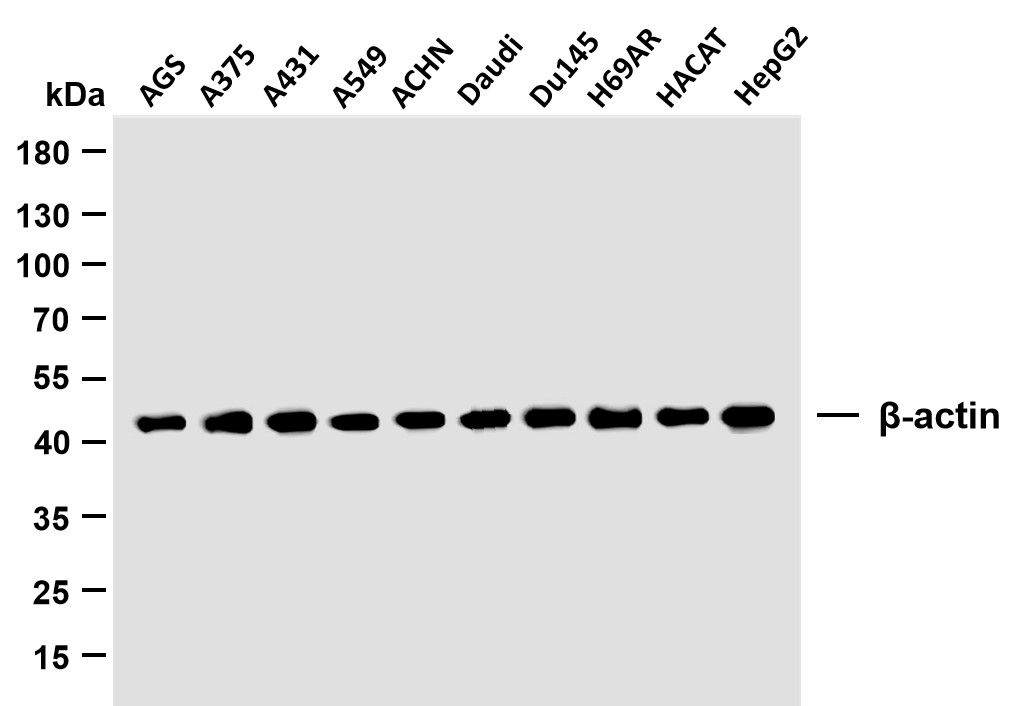
β-actin (PTR2364) Mouse mAb
YM3028
More→
Primary Antibodies
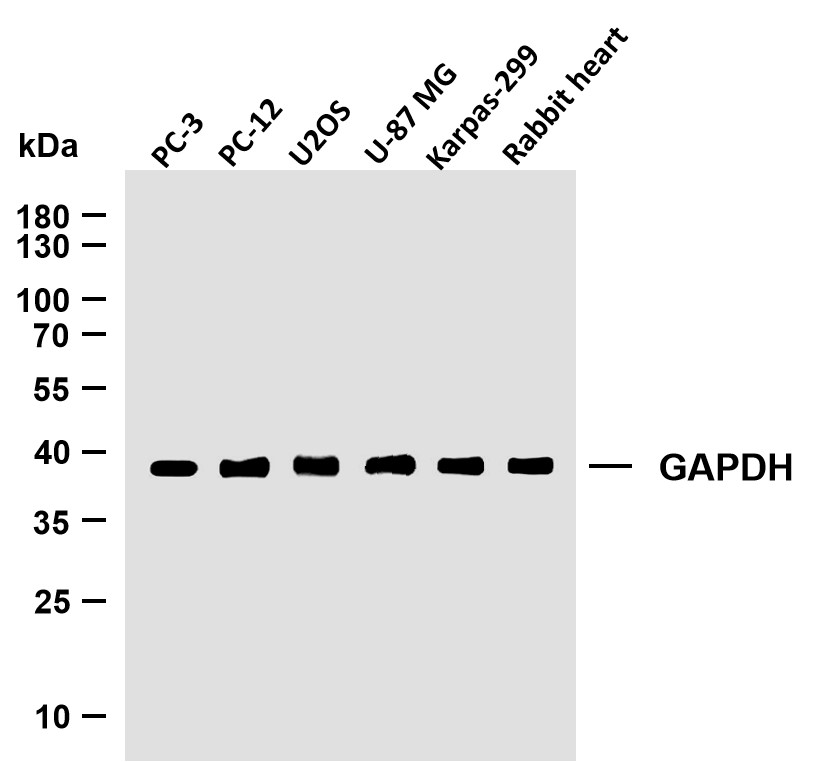
GAPDH (PTR2304) Mouse mAb
YM3029
More→
Antigen&Target Information
Immunogen:
The antiserum was produced against synthesized peptide derived from human FAK around the phosphorylation site of Tyr861. AA range:828-877
show all
Specificity:
Phospho-FAK (Y861) Polyclonal Antibody detects endogenous levels of FAK protein only when phosphorylated at Y861.The name of modified sites may be influenced by many factors, such as species (the modified site was not originally found in human samples) and the change of protein sequence (the previous protein sequence is incomplete, and the protein sequence may be prolonged with the development of protein sequencing technology). When naming, we will use the "numbers" in historical reference to keep the sites consistent with the reports. The antibody binds to the following modification sequence (lowercase letters are modification sites):HIyQP
show all
Gene Name:
PTK2
show all
Protein Name:
Focal adhesion kinase 1
show all
Other Name:
PTK2 ;
FAK ;
FAK1 ;
Focal adhesion kinase 1 ;
FADK 1 ;
Focal adhesion kinase-related nonkinase ;
FRNK ;
Protein phosphatase 1 regulatory subunit 71 ;
PPP1R71 ;
Protein-tyrosine kinase 2 ;
p125FAK ;
pp125FAK
FAK ;
FAK1 ;
Focal adhesion kinase 1 ;
FADK 1 ;
Focal adhesion kinase-related nonkinase ;
FRNK ;
Protein phosphatase 1 regulatory subunit 71 ;
PPP1R71 ;
Protein-tyrosine kinase 2 ;
p125FAK ;
pp125FAK
show all
Database Link:
Background:
protein tyrosine kinase 2 (PTK2) Homo sapiens This gene encodes a cytoplasmic protein tyrosine kinase which is found concentrated in the focal adhesions that form between cells growing in the presence of extracellular matrix constituents. The encoded protein is a member of the FAK subfamily of protein tyrosine kinases but lacks significant sequence similarity to kinases from other subfamilies. Activation of this gene may be an important early step in cell growth and intracellular signal transduction pathways triggered in response to certain neural peptides or to cell interactions with the extracellular matrix. Several transcript variants encoding different isoforms have been found for this gene , but the full-length natures of only four of them have been determined. [provided by RefSeq , Oct 2015] ,
show all
Function:
Catalytic activity:ATP + a [protein]-L-tyrosine = ADP + a [protein]-L-tyrosine phosphate. ,Domain:The carboxy-terminal region is the site of focal adhesion targeting (FAT) sequence which mediates the localization of FAK1 to focal adhesions. ,Domain:The first Pro-rich domain interacts with the SH3 domain of CRK-associated substrate (BCAR1) and CASL. ,Function:Non-receptor protein-tyrosine kinase implicated in signaling pathways involved in cell motility , proliferation and apoptosis. Activated by tyrosine-phosphorylation in response to either integrin clustering induced by cell adhesion or antibody cross-linking , or via G-protein coupled receptor (GPCR) occupancy by ligands such as bombesin or lysophosphatidic acid , or via LDL receptor occupancy. Plays a potential role in oncogenic transformations resulting in increased kinase activity. ,PTM:Phosphorylated on 6 tyrosine residues upon activation. ,similarity:Belongs to the protein kinase superfamily. Tyr protein kinase family. ,similarity:Belongs to the protein kinase superfamily. Tyr protein kinase family. FAK subfamily. ,similarity:Contains 1 FERM domain. ,similarity:Contains 1 protein kinase domain. ,subcellular location:Constituent of focal adhesions. ,subunit:Interacts with CAS family members and with GIT1 , SORBS1 and BCAR3. Interacts with RGNEF and SHB (By similarity) . Interacts with TGFB1I1. ,tissue specificity:Expressed in all organs tested , in lymphoid cell lines , but most abundantly in brain. ,
show all
Cellular Localization:
Cell junction , focal adhesion. Cell membrane; Peripheral membrane protein; Cytoplasmic side. Cytoplasm , cell cortex. Cytoplasm , cytoskeleton. Cytoplasm , cytoskeleton , microtubule organizing center , centrosome . Nucleus. Cytoplasm , cytoskeleton , cilium basal body . Constituent of focal adhesions. Detected at microtubules.
show all
Tissue Expression:
Research Areas:
>>Endocrine resistance ;
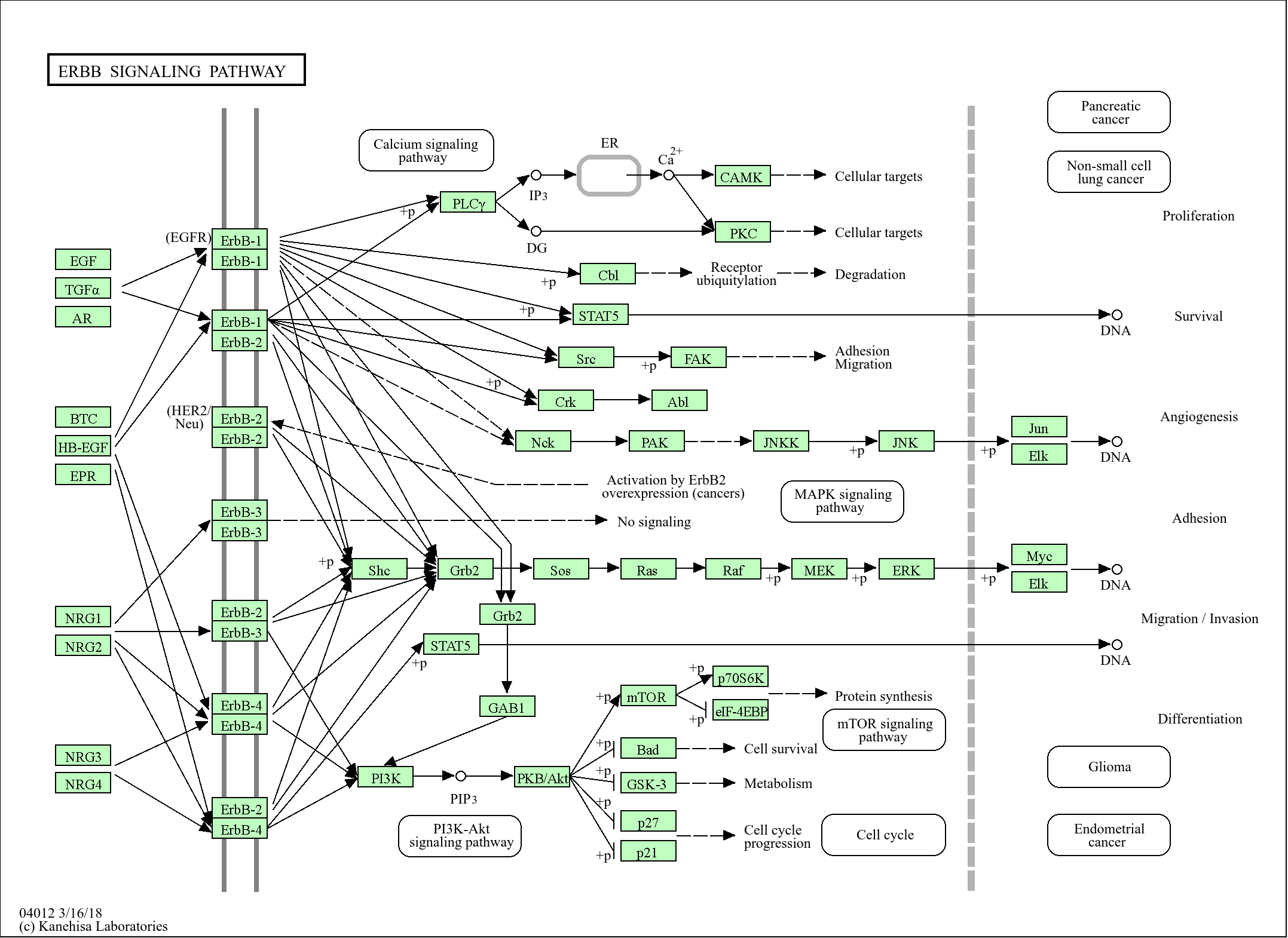
>>ErbB signaling pathway ;
>>Chemokine signaling pathway ;
>>PI3K-Akt signaling pathway ;
>>Axon guidance ;
>>VEGF signaling pathway ;
>>Focal adhesion ;
>>Leukocyte transendothelial migration ;
>>Regulation of actin cytoskeleton ;
>>Growth hormone synthesis , secretion and action ;
>>Bacterial invasion of epithelial cells ;
>>Shigellosis ;
>>Yersinia infection ;
>>Amoebiasis ;
>>Human cytomegalovirus infection ;
>>Human papillomavirus infection ;
>>Human immunodeficiency virus 1 infection ;
>>Pathways in cancer ;
>>Transcriptional misregulation in cancer ;
>>Proteoglycans in cancer ;
>>Chemical carcinogenesis - reactive oxygen species ;
>>Small cell lung cancer ;
>>Lipid and atherosclerosis ;
>>Fluid shear stress and atherosclerosis
>>ErbB signaling pathway ;
>>Chemokine signaling pathway ;
>>PI3K-Akt signaling pathway ;
>>Axon guidance ;
>>VEGF signaling pathway ;
>>Focal adhesion ;
>>Leukocyte transendothelial migration ;
>>Regulation of actin cytoskeleton ;
>>Growth hormone synthesis , secretion and action ;
>>Bacterial invasion of epithelial cells ;
>>Shigellosis ;
>>Yersinia infection ;
>>Amoebiasis ;
>>Human cytomegalovirus infection ;
>>Human papillomavirus infection ;
>>Human immunodeficiency virus 1 infection ;
>>Pathways in cancer ;
>>Transcriptional misregulation in cancer ;
>>Proteoglycans in cancer ;
>>Chemical carcinogenesis - reactive oxygen species ;
>>Small cell lung cancer ;
>>Lipid and atherosclerosis ;
>>Fluid shear stress and atherosclerosis
show all
Signaling Pathway
Cellular Processes >> Cellular community - eukaryotes >> Focal adhesion
Cellular Processes >> Cell motility >> Regulation of actin cytoskeleton
Organismal Systems >> Immune system >> Leukocyte transendothelial migration
Organismal Systems >> Immune system >> Chemokine signaling pathway
Organismal Systems >> Endocrine system >> Growth hormone synthesis, secretion and action
Human Diseases >> Cancer: overview >> Pathways in cancer
Human Diseases >> Cancer: overview >> Transcriptional misregulation in cancer
Human Diseases >> Cancer: specific types >> Small cell lung cancer
Environmental Information Processing >> Signal transduction >> ErbB signaling pathway
Environmental Information Processing >> Signal transduction >> VEGF signaling pathway
Environmental Information Processing >> Signal transduction >> PI3K-Akt signaling pathway
Reference Citation({{totalcount}})
Catalog: YP0108
Size
Price
Status
Qty.
200μL
$600.00
3 weeks
0
100μL
$340.00
3 weeks
0
50μL
$190.00
3 weeks
0
Add to cart
Collected
Collect
Recently Viewed Products
Clear allPRODUCTS
CUSTOMIZED
ABOUT US



Toggle night Mode
{{pinfoXq.title || ''}}
Catalog: {{pinfoXq.catalog || ''}}
Filter:
All
{{item.name}}
{{pinfo.title}}
-{{pinfo.catalog}}
Main Information
Target
{{pinfo.target}}
Reactivity
{{pinfo.react}}
Applications
{{pinfo.applicat}}
Conjugate/Modification
{{pinfo.coupling}}/{{pinfo.modific}}
MW (kDa)
{{pinfo.mwcalc}}
Host Species
{{pinfo.hostspec}}
Isotype
{{pinfo.isotype}}
Product {{index}}/{{pcount}}
Prev
Next
{{pvTitle}}
Scroll wheel zooms the picture
{{pvDescr}}