



p70 S6 kinase α (Phospho Ser418) Rabbit pAb
-YP0886



Catalog: YP0886
Size
Price
Status
Qty.
200μL
$600.00
3 weeks
0
100μL
$340.00
3 weeks
0
50μL
$190.00
3 weeks
0
Add to cart


Collected
Collect
Main Information
Target
p70 S6 kinase α Phospho Ser418
Host Species
Rabbit
Reactivity
Human, Mouse, Rat
Applications
WB, IHC, IF, ELISA
MW
60kD (Observed)
Conjugate/Modification
phosphate
Detailed Information
Recommended Dilution Ratio
WB 1:500-1:2000; IHC 1:100-1:300; IF 1:200-1:1000; ELISA 1:20000; Not yet tested in other applications.
Formulation
Liquid in PBS containing 50% glycerol, 0.5% BSA and 0.02% sodium azide.
Specificity
Phospho-p70 S6 kinase α (S418) Polyclonal Antibody detects endogenous levels of p70 S6 kinase α protein only when phosphorylated at S418.The name of modified sites may be influenced by many factors, such as species (the modified site was not originally found in human samples) and the change of protein sequence (the previous protein sequence is incomplete, and the protein sequence may be prolonged with the development of protein sequencing technology). When naming, we will use the "numbers" in historical reference to keep the sites consistent with the reports. The antibody binds to the following modification sequence (lowercase letters are modification sites):IGsPR
Purification
The antibody was affinity-purified from rabbit antiserum by affinity-chromatography using epitope-specific immunogen.
Storage
-15°C to -25°C/1 year (Do not lower than -25°C)
Concentration
1 mg/ml
MW(Observed)
60kD
Modification
phosphate
Clonality
Polyclonal
Isotype
IgG
Related Products
Secondary Antibodies
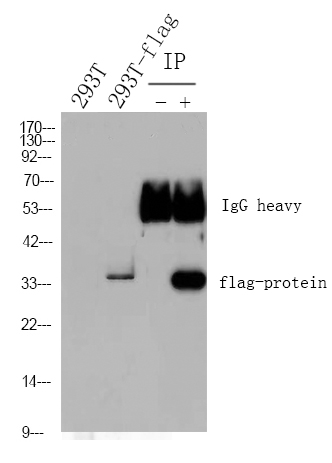
Goat Anti Mouse IgG(H+L) (HRP)
RS0001
More→
Secondary Antibodies
Goat Anti Rabbit IgG(H+L) (HRP)
RS0002
More→
Primary Antibodies
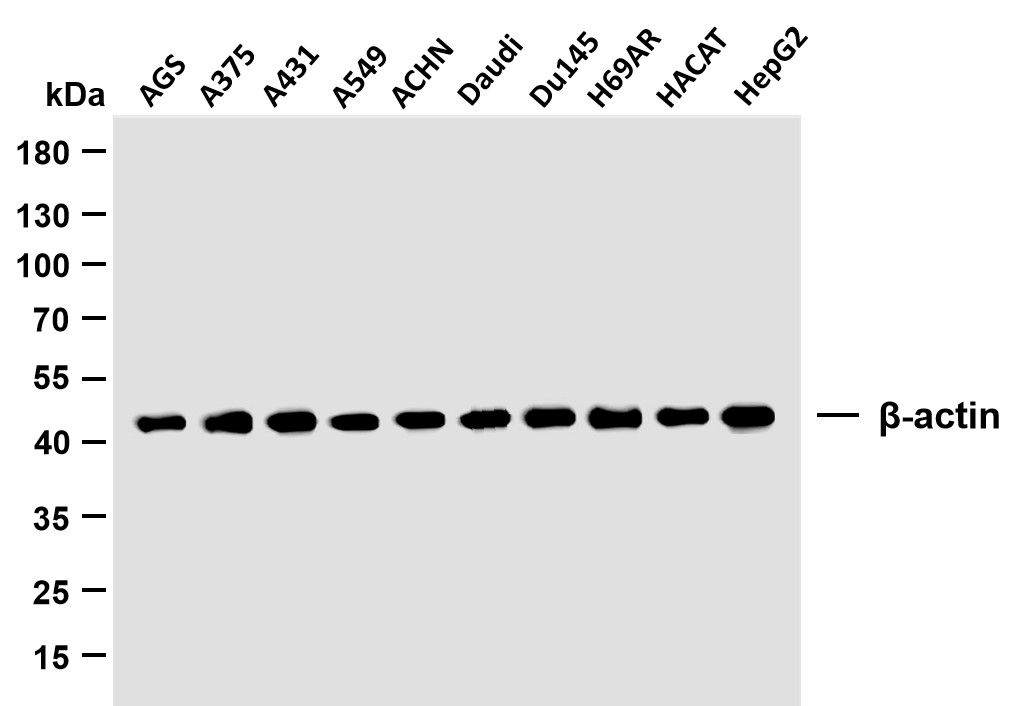
β-actin (PTR2364) Mouse mAb
YM3028
More→
Primary Antibodies
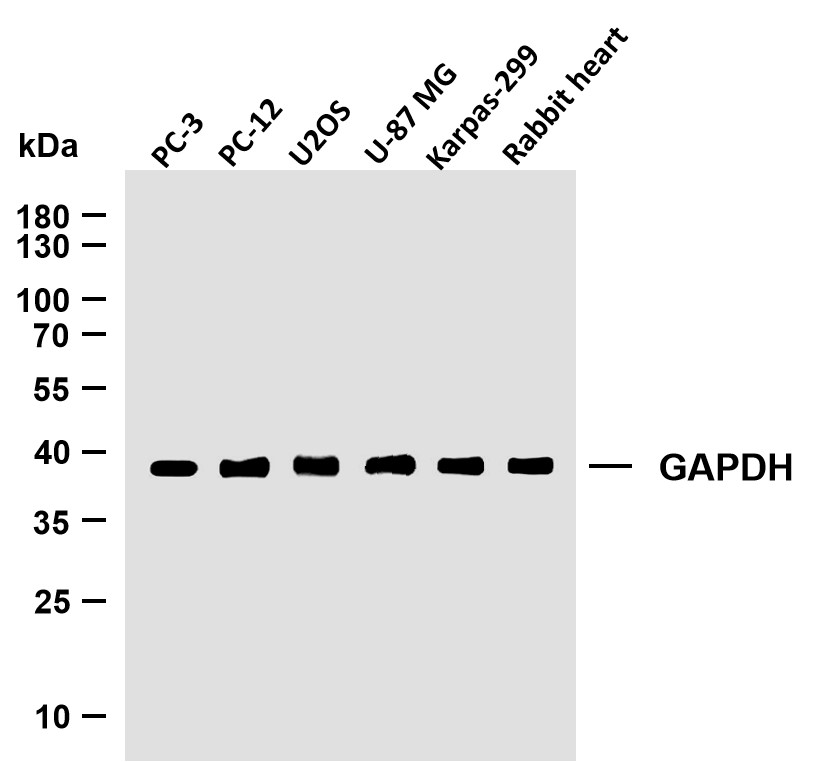
GAPDH (PTR2304) Mouse mAb
YM3029
More→
Antigen&Target Information
Immunogen:
The antiserum was produced against synthesized peptide derived from human p70 S6 Kinase around the phosphorylation site of Ser418. AA range:384-433
show all
Specificity:
Phospho-p70 S6 kinase α (S418) Polyclonal Antibody detects endogenous levels of p70 S6 kinase α protein only when phosphorylated at S418.The name of modified sites may be influenced by many factors, such as species (the modified site was not originally found in human samples) and the change of protein sequence (the previous protein sequence is incomplete, and the protein sequence may be prolonged with the development of protein sequencing technology). When naming, we will use the "numbers" in historical reference to keep the sites consistent with the reports. The antibody binds to the following modification sequence (lowercase letters are modification sites):IGsPR
show all
Gene Name:
RPS6KB1 STK14A P70S6K
show all
Protein Name:
Ribosomal protein S6 kinase beta-1
show all
Other Name:
RPS6KB1 ;
STK14A ;
Ribosomal protein S6 kinase beta-1 ;
S6K-beta-1 ;
S6K1 ;
70 kDa ribosomal protein S6 kinase 1 ;
P70S6K1 ;
p70-S6K 1 ;
Ribosomal protein S6 kinase I ;
Serine/threonine-protein kinase 14A ;
p70 ribosomal S6 kinase alpha ;
p70 S6 kinas
STK14A ;
Ribosomal protein S6 kinase beta-1 ;
S6K-beta-1 ;
S6K1 ;
70 kDa ribosomal protein S6 kinase 1 ;
P70S6K1 ;
p70-S6K 1 ;
Ribosomal protein S6 kinase I ;
Serine/threonine-protein kinase 14A ;
p70 ribosomal S6 kinase alpha ;
p70 S6 kinas
show all
Database Link:
Background:
ribosomal protein S6 kinase B1 (RPS6KB1) Homo sapiens This gene encodes a member of the ribosomal S6 kinase family of serine/threonine kinases. The encoded protein responds to mTOR (mammalian target of rapamycin) signaling to promote protein synthesis , cell growth , and cell proliferation. Activity of this gene has been associated with human cancer. Alternatively spliced transcript variants have been observed. The use of alternative translation start sites results in isoforms with longer or shorter N-termini which may differ in their subcellular localizations. There are two pseudogenes for this gene on chromosome 17. [provided by RefSeq , Jan 2013] ,
show all
Function:
Catalytic activity:ATP + a protein = ADP + a phosphoprotein. ,enzyme regulation:Activation by serine/threonine phosphorylation and protein kinase C , inactivated by type 2A phosphatase. ,Function:Phosphorylates specifically ribosomal protein S6 in response to insulin or several classes of mitogens. ,similarity:Belongs to the protein kinase superfamily. ,similarity:Belongs to the protein kinase superfamily. AGC Ser/Thr protein kinase family. S6 kinase subfamily. ,similarity:Contains 1 AGC-kinase C-terminal domain. ,similarity:Contains 1 protein kinase domain. ,subunit:Interacts with PPP1R9A/neurabin-1. ,tissue specificity:Widely expressed. ,
show all
Cellular Localization:
Cell junction , synapse , synaptosome . Mitochondrion outer membrane. Mitochondrion. Colocalizes with URI1 at mitochondrion.; [Isoform Alpha I]: Nucleus. Cytoplasm.; [Isoform Alpha II]: Cytoplasm.
show all
Tissue Expression:
show all
Research Areas:
>>EGFR tyrosine kinase inhibitor resistance ;
>>Endocrine resistance ;
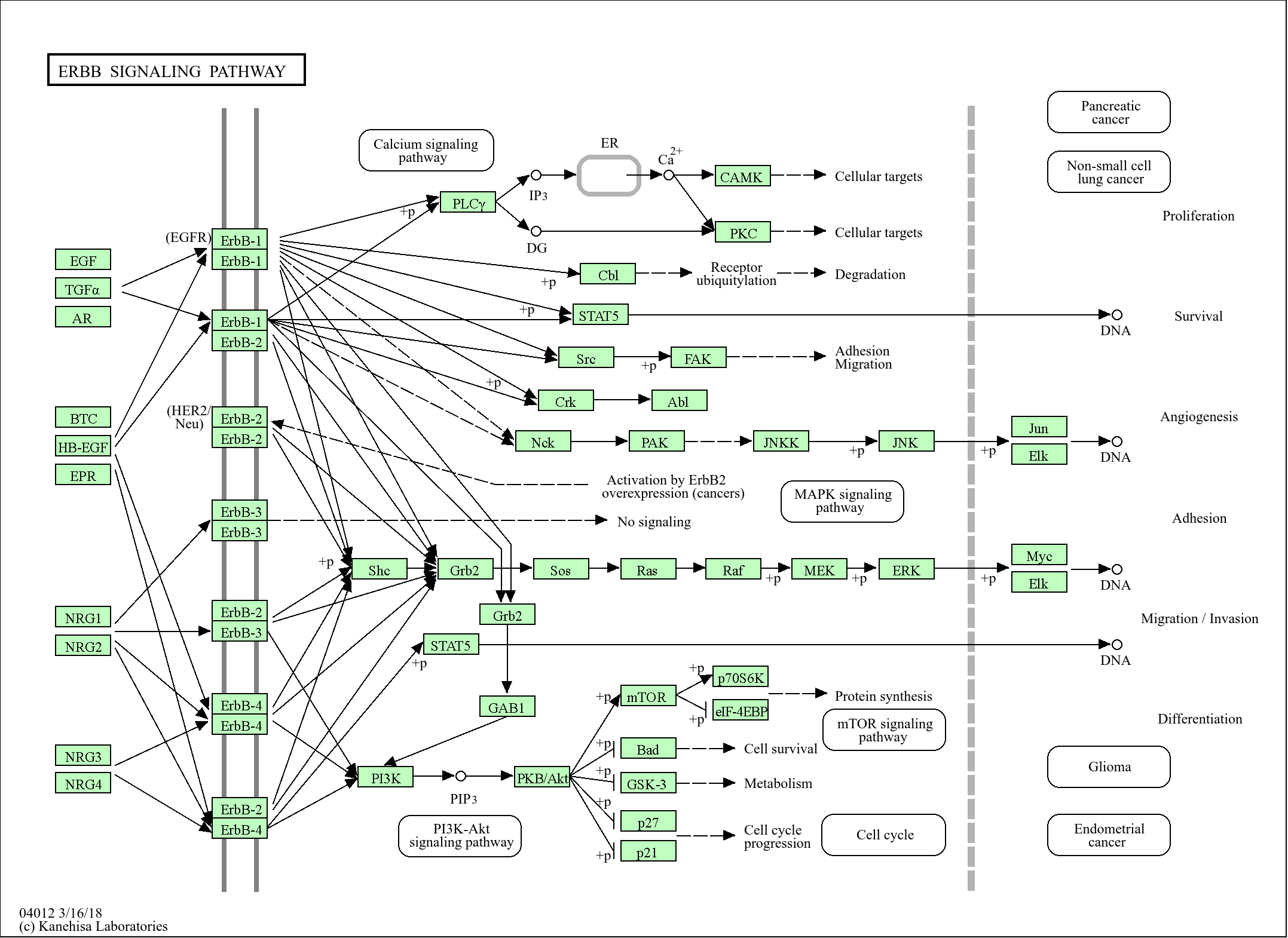
>>ErbB signaling pathway ;
>>HIF-1 signaling pathway ;
>>Autophagy - animal ;
>>mTOR signaling pathway ;
>>PI3K-Akt signaling pathway ;
>>AMPK signaling pathway ;
>>Longevity regulating pathway ;
>>Longevity regulating pathway - multiple species ;
>>TGF-beta signaling pathway ;
>>Apelin signaling pathway ;
>>Fc gamma R-mediated phagocytosis ;
>>Thermogenesis ;
>>Insulin signaling pathway ;
>>Insulin resistance ;
>>Shigellosis ;
>>Human cytomegalovirus infection ;
>>Human papillomavirus infection ;
>>Human immunodeficiency virus 1 infection ;
>>Pathways in cancer ;
>>Proteoglycans in cancer ;
>>Chemical carcinogenesis - receptor activation ;
>>Colorectal cancer ;
>>Pancreatic cancer ;
>>Acute myeloid leukemia ;
>>Breast cancer ;
>>Hepatocellular carcinoma ;
>>Gastric cancer ;
>>Choline metabolism in cancer ;
>>PD-L1 expression and PD-1 checkpoint pathway in cancer
>>Endocrine resistance ;
>>ErbB signaling pathway ;
>>HIF-1 signaling pathway ;
>>Autophagy - animal ;
>>mTOR signaling pathway ;
>>PI3K-Akt signaling pathway ;
>>AMPK signaling pathway ;
>>Longevity regulating pathway ;
>>Longevity regulating pathway - multiple species ;
>>TGF-beta signaling pathway ;
>>Apelin signaling pathway ;
>>Fc gamma R-mediated phagocytosis ;
>>Thermogenesis ;
>>Insulin signaling pathway ;
>>Insulin resistance ;
>>Shigellosis ;
>>Human cytomegalovirus infection ;
>>Human papillomavirus infection ;
>>Human immunodeficiency virus 1 infection ;
>>Pathways in cancer ;
>>Proteoglycans in cancer ;
>>Chemical carcinogenesis - receptor activation ;
>>Colorectal cancer ;
>>Pancreatic cancer ;
>>Acute myeloid leukemia ;
>>Breast cancer ;
>>Hepatocellular carcinoma ;
>>Gastric cancer ;
>>Choline metabolism in cancer ;
>>PD-L1 expression and PD-1 checkpoint pathway in cancer
show all
Signaling Pathway
Cellular Processes >> Transport and catabolism >> Autophagy - animal
Organismal Systems >> Immune system >> Fc gamma R-mediated phagocytosis
Organismal Systems >> Endocrine system >> Insulin signaling pathway
Organismal Systems >> Aging >> Longevity regulating pathway
Organismal Systems >> Aging >> Longevity regulating pathway - multiple species
Human Diseases >> Cancer: overview >> Pathways in cancer
Human Diseases >> Cancer: overview >> PD-L1 expression and PD-1 checkpoint pathway in cancer
Human Diseases >> Cancer: specific types >> Colorectal cancer
Human Diseases >> Cancer: specific types >> Pancreatic cancer
Human Diseases >> Cancer: specific types >> Hepatocellular carcinoma
Human Diseases >> Cancer: specific types >> Gastric cancer
Human Diseases >> Cancer: specific types >> Acute myeloid leukemia
Human Diseases >> Cancer: specific types >> Breast cancer
Environmental Information Processing >> Signal transduction >> ErbB signaling pathway
Environmental Information Processing >> Signal transduction >> TGF-beta signaling pathway
Environmental Information Processing >> Signal transduction >> Apelin signaling pathway
Environmental Information Processing >> Signal transduction >> HIF-1 signaling pathway
Environmental Information Processing >> Signal transduction >> PI3K-Akt signaling pathway
Environmental Information Processing >> Signal transduction >> AMPK signaling pathway
Environmental Information Processing >> Signal transduction >> mTOR signaling pathway
Reference Citation({{totalcount}})
Catalog: YP0886
Size
Price
Status
Qty.
200μL
$600.00
3 weeks
0
100μL
$340.00
3 weeks
0
50μL
$190.00
3 weeks
0
Add to cart
Collected
Collect
Recently Viewed Products
Clear allPRODUCTS
CUSTOMIZED
ABOUT US



Toggle night Mode
{{pinfoXq.title || ''}}
Catalog: {{pinfoXq.catalog || ''}}
Filter:
All
{{item.name}}
{{pinfo.title}}
-{{pinfo.catalog}}
Main Information
Target
{{pinfo.target}}
Reactivity
{{pinfo.react}}
Applications
{{pinfo.applicat}}
Conjugate/Modification
{{pinfo.coupling}}/{{pinfo.modific}}
MW (kDa)
{{pinfo.mwcalc}}
Host Species
{{pinfo.hostspec}}
Isotype
{{pinfo.isotype}}
Product {{index}}/{{pcount}}
Prev
Next
{{pvTitle}}
Scroll wheel zooms the picture
{{pvDescr}}