


Catalog: YP1007
Size
Price
Status
Qty.
200μL
$600.00
In stock
0
100μL
$340.00
In stock
0
50μL
$190.00
In stock
0
Add to cart


Collected
Collect
Main Information
Target
MAD1 Phospho Ser428
Host Species
Rabbit
Reactivity
Human, Mouse, Rat
Applications
IHC, IF, ELISA
MW
83kD (Calculated)
Conjugate/Modification
Phospho
Detailed Information
Recommended Dilution Ratio
IHC 1:100-1:300; ELISA 1:5000; IF 1:50-200
Formulation
Liquid in PBS containing 50% glycerol, 0.5% BSA and 0.02% sodium azide.
Specificity
Phospho-MAD1 (S428) Polyclonal Antibody detects endogenous levels of MAD1 protein only when phosphorylated at S428.The name of modified sites may be influenced by many factors, such as species (the modified site was not originally found in human samples) and the change of protein sequence (the previous protein sequence is incomplete, and the protein sequence may be prolonged with the development of protein sequencing technology). When naming, we will use the "numbers" in historical reference to keep the sites consistent with the reports. The antibody binds to the following modification sequence (lowercase letters are modification sites):EYsPQ
Purification
The antibody was affinity-purified from rabbit antiserum by affinity-chromatography using epitope-specific immunogen.
Storage
-15°C to -25°C/1 year(Do not lower than -25°C)
Concentration
1 mg/ml
MW(Calculated)
83kD
Modification
Phospho
Clonality
Polyclonal
Isotype
IgG
Related Products
Secondary Antibodies
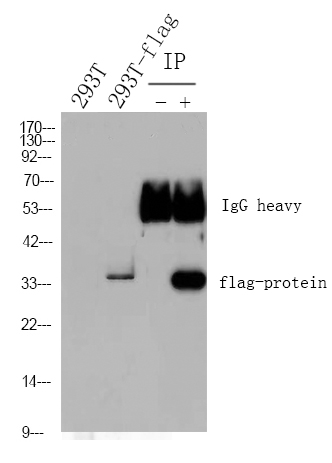
Goat Anti Mouse IgG(H+L) (HRP)
RS0001
More→
Secondary Antibodies
Goat Anti Rabbit IgG(H+L) (HRP)
RS0002
More→
Primary Antibodies
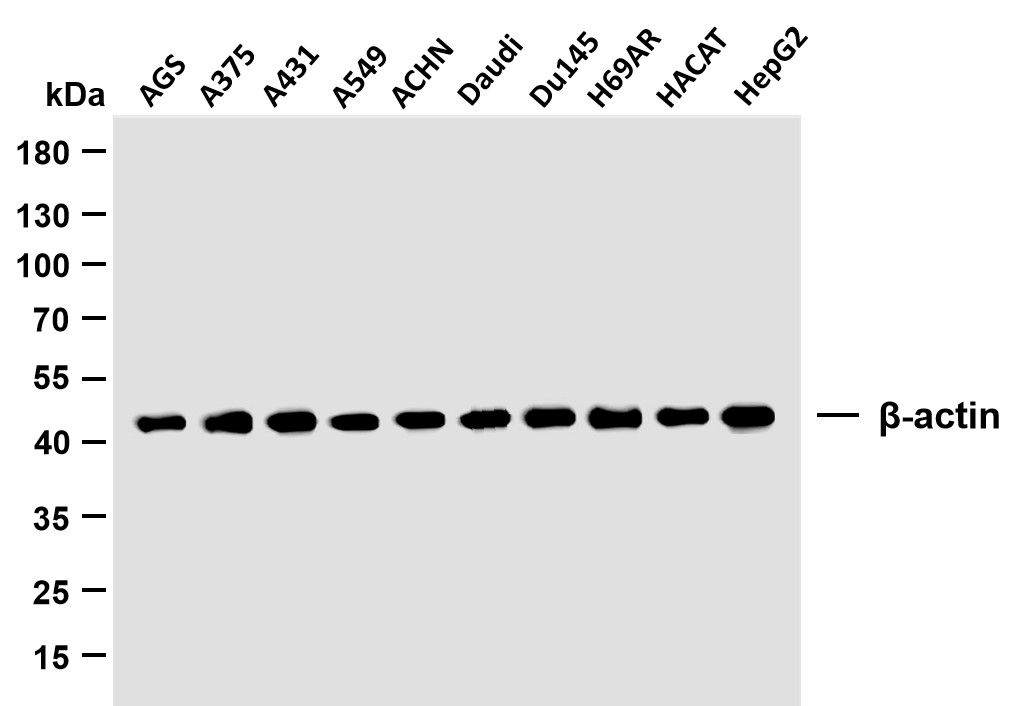
β-actin (PTR2364) Mouse mAb
YM3028
More→
Primary Antibodies
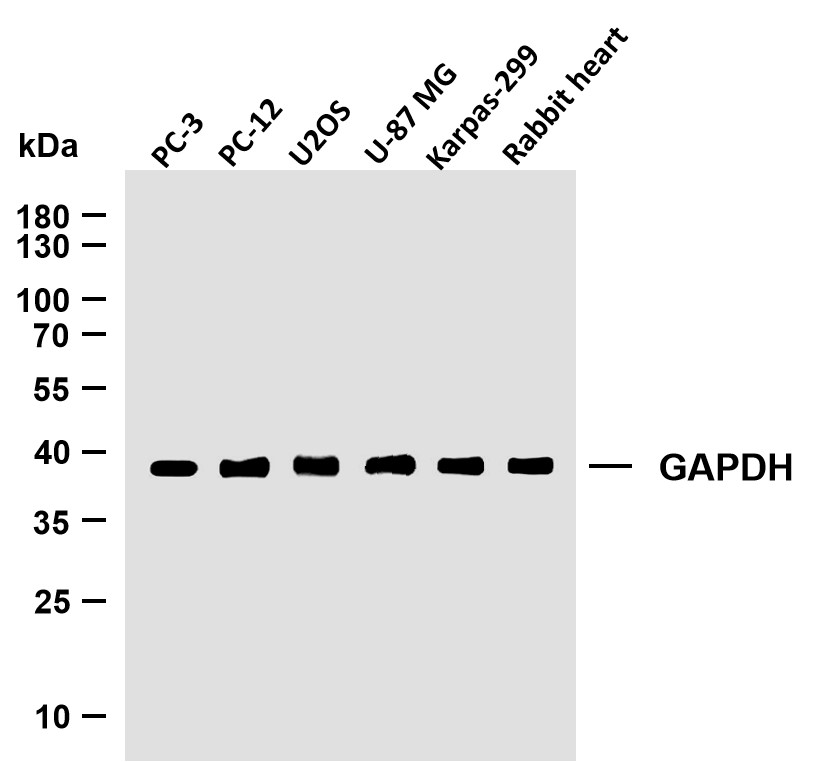
GAPDH (PTR2304) Mouse mAb
YM3029
More→
Antigen&Target Information
Immunogen:
The antiserum was produced against synthesized peptide derived from human MAD1 around the phosphorylation site of Ser428. AA range:394-443
show all
Specificity:
Phospho-MAD1 (S428) Polyclonal Antibody detects endogenous levels of MAD1 protein only when phosphorylated at S428.The name of modified sites may be influenced by many factors, such as species (the modified site was not originally found in human samples) and the change of protein sequence (the previous protein sequence is incomplete, and the protein sequence may be prolonged with the development of protein sequencing technology). When naming, we will use the "numbers" in historical reference to keep the sites consistent with the reports. The antibody binds to the following modification sequence (lowercase letters are modification sites):EYsPQ
show all
Gene Name:
MAD1L1
show all
Protein Name:
Mitotic spindle assembly checkpoint protein MAD1
show all
Other Name:
MAD1L1 ;
MAD1 ;
TXBP181 ;
Mitotic spindle assembly checkpoint protein MAD1 ;
Mitotic arrest deficient 1-like protein 1 ;
MAD1-like protein 1 ;
Mitotic checkpoint MAD1 protein homolog ;
HsMAD1 ;
hMAD1 ;
Tax-binding protein 181
MAD1 ;
TXBP181 ;
Mitotic spindle assembly checkpoint protein MAD1 ;
Mitotic arrest deficient 1-like protein 1 ;
MAD1-like protein 1 ;
Mitotic checkpoint MAD1 protein homolog ;
HsMAD1 ;
hMAD1 ;
Tax-binding protein 181
show all
Background:
MAD1L1 is a component of the mitotic spindle-assembly checkpoint that prevents the onset of anaphase until all chromosome are properly aligned at the metaphase plate. MAD1L1 functions as a homodimer and interacts with MAD2L1. MAD1L1 may play a role in cell cycle control and tumor suppression. Alternative splicing results in multiple transcript variants. [provided by RefSeq, Jan 2015],
show all
Function:
Disease:Defects in MAD1L1 are involved in the development and/or progression of various types of cancer.,Function:Component of the spindle-assembly checkpoint that prevents the onset of anaphase until all chromosomes are properly aligned at the metaphase plate. May recruit MAD2L1 to unattached kinetochores. Has a role in the correct positioning of the septum. Required for anchoring MAD2L1 to the nuclear periphery.,induction:Increased by TP53.,PTM:Phosphorylated; by BUB1. Become hyperphosphorylated in late S through M phases or after mitotic spindle damage. Phosphorylated upon DNA damage, probably by ATM or ATR.,similarity:Belongs to the MAD1 family.,subcellular location:From the beginning to the end of mitosis, it is seen to move from a diffusely nuclear distribution to the centrosome, to the spindle midzone and finally to the midbody.,subunit:Homodimer. Heterodimerizes with MAD2L1 in order to form a tetrameric MAD1L1-MAD2L1 core complex. Perturbation of the original MAD1L1-MAD2L1 structure by the spindle checkpoint may decrease MAD2L1 affinity for MAD1L1. CDC20 can compete with MAD1L1 for MAD2L1 binding, until the attachment and/or tension dampen the checkpoint signal, preventing further release of MAD2L1 on to CDC20. Also able to interact with the BUB1/BUB3 complex and the viral Tax protein. Interacts with TPR.,tissue specificity:Expressed weakly at G0/G1 and highly at late S and G2/M phase.,
show all
Cellular Localization:
Nucleus . Chromosome, centromere, kinetochore . Nucleus envelope . Cytoplasm, cytoskeleton, microtubule organizing center, centrosome . Cytoplasm, cytoskeleton, spindle . Cytoplasm, cytoskeleton, spindle pole . Co-localizes with TPR at the nucleus envelope during interphase and throughout the cell cycle (PubMed:22351768, PubMed:18981471). From the beginning to the end of mitosis, it is seen to move from a diffusely nuclear distribution to the centrosome, to the spindle midzone and finally to the midbody (PubMed:9546394). Localizes to kinetochores during prometaphase (PubMed:22351768, PubMed:29162720). Does not localize to kinetochores during metaphase (PubMed:29162720). Colocalizes with NEK2 at the kinetochore (PubMed:14978040). Colocalizes with IK at spindle poles during metaphase and anaphase (PubMed:22351768). .; [Isoform 3]: Cytoplasm .
show all
Tissue Expression:
Research Areas:
>>Cell cycle ;
>>Oocyte meiosis ;
>>Progesterone-mediated oocyte maturation ;
>>Human T-cell leukemia virus 1 infection ;
>>Viral carcinogenesis
>>Oocyte meiosis ;
>>Progesterone-mediated oocyte maturation ;
>>Human T-cell leukemia virus 1 infection ;
>>Viral carcinogenesis
show all
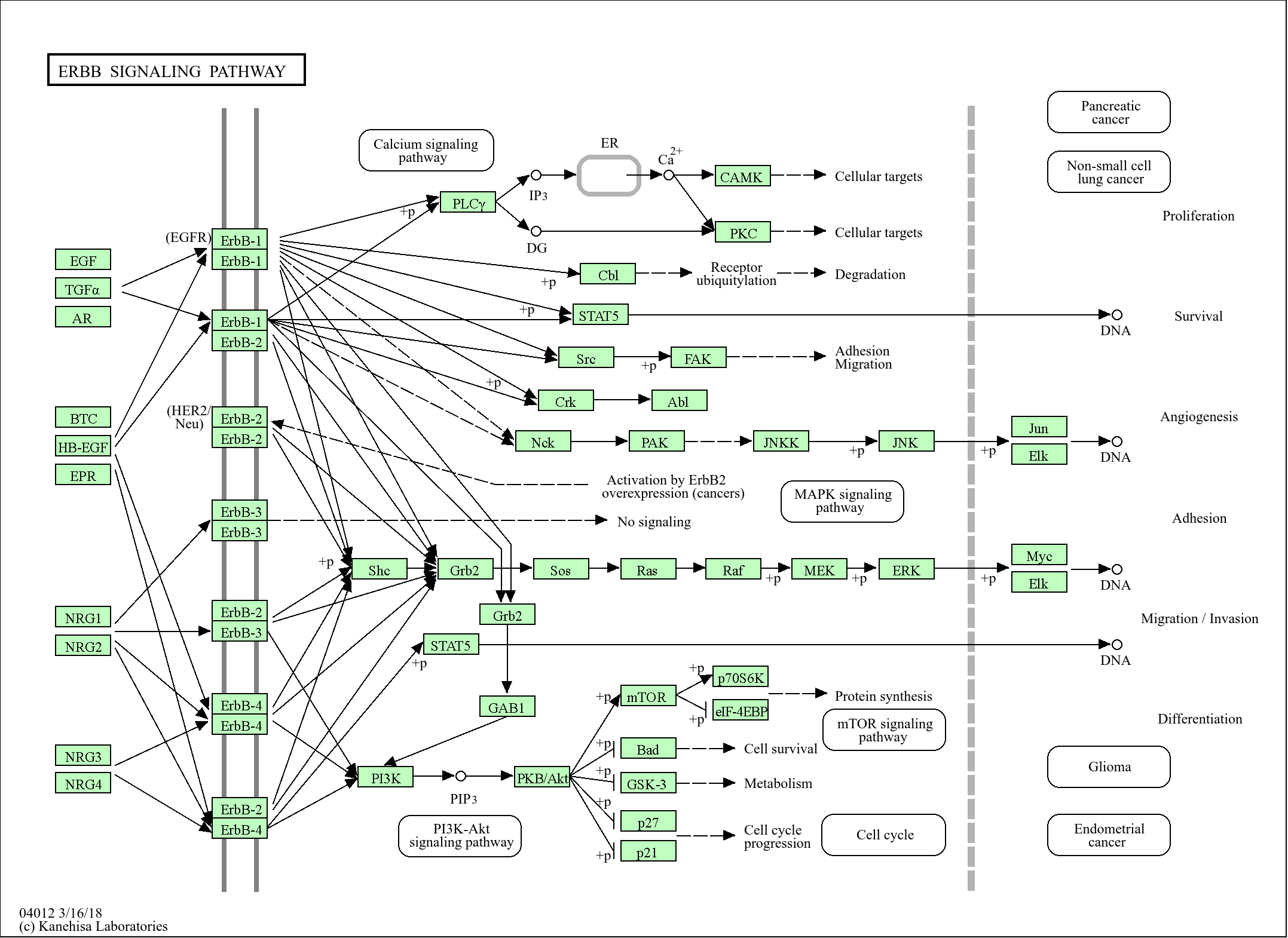
Signaling Pathway
Reference Citation({{totalcount}})
Catalog: YP1007
Size
Price
Status
Qty.
200μL
$600.00
In stock
0
100μL
$340.00
In stock
0
50μL
$190.00
In stock
0
Add to cart
Collected
Collect
Recently Viewed Products
Clear allPRODUCTS
CUSTOMIZED
ABOUT US



Toggle night Mode
{{pinfoXq.title || ''}}
Catalog: {{pinfoXq.catalog || ''}}
Filter:
All
{{item.name}}
{{pinfo.title}}
-{{pinfo.catalog}}
Main Information
Target
{{pinfo.target}}
Reactivity
{{pinfo.react}}
Applications
{{pinfo.applicat}}
Conjugate/Modification
{{pinfo.coupling}}/{{pinfo.modific}}
MW (kDa)
{{pinfo.mwcalc}}
Host Species
{{pinfo.hostspec}}
Isotype
{{pinfo.isotype}}
Product {{index}}/{{pcount}}
Prev
Next
{{pvTitle}}
Scroll wheel zooms the picture
{{pvDescr}}