





Catalog: YP0097
Size
Price
Status
Qty.
200μL
$600.00
In stock
0
100μL
$340.00
In stock
0
50μL
$190.00
In stock
0
Add to cart


Collected
Collect
Main Information
Target
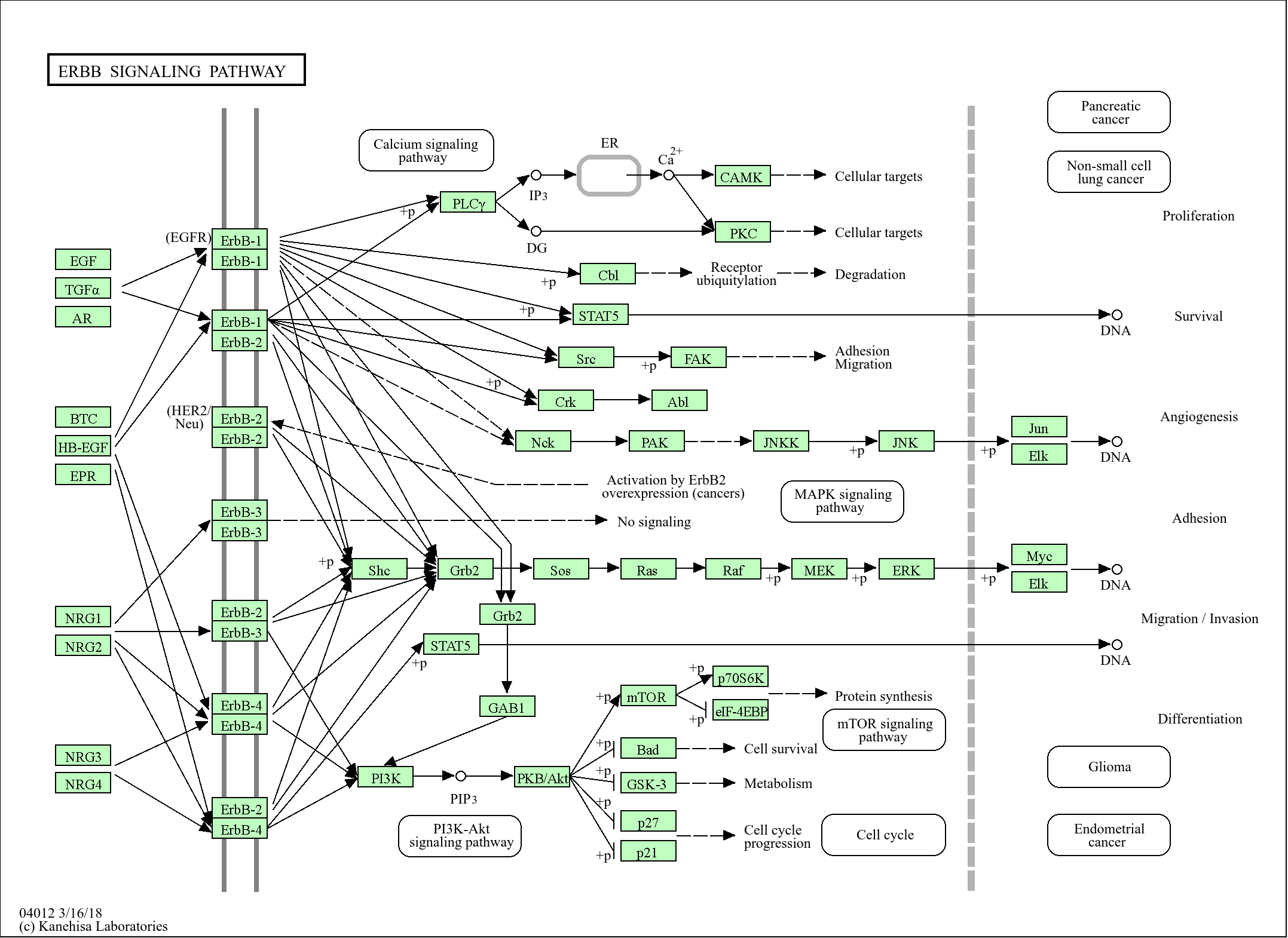
Elk-1 Phospho Thr417
Host Species
Rabbit
Reactivity
Human, Mouse, Rat
Applications
IHC, IF, IP, ELISA
MW
45kD (Calculated)
Conjugate/Modification
Phospho
Detailed Information
Recommended Dilution Ratio
IHC 1:100-1:300; IP 2-5 ug/mg lysate; ELISA 1:10000; IF 1:50-200
Formulation
Liquid in PBS containing 50% glycerol, 0.5% BSA and 0.02% sodium azide.
Specificity
Phospho-Elk-1 (T417) Polyclonal Antibody detects endogenous levels of Elk-1 protein only when phosphorylated at T417.The name of modified sites may be influenced by many factors, such as species (the modified site was not originally found in human samples) and the change of protein sequence (the previous protein sequence is incomplete, and the protein sequence may be prolonged with the development of protein sequencing technology). When naming, we will use the "numbers" in historical reference to keep the sites consistent with the reports. The antibody binds to the following modification sequence (lowercase letters are modification sites):LStPV
Purification
The antibody was affinity-purified from rabbit antiserum by affinity-chromatography using epitope-specific immunogen.
Storage
-15°C to -25°C/1 year(Do not lower than -25°C)
Concentration
1 mg/ml
MW(Calculated)
45kD
Modification
Phospho
Clonality
Polyclonal
Isotype
IgG
Related Products
Secondary Antibodies
Goat Anti Mouse IgG(H+L) (HRP)
RS0001
More→
Secondary Antibodies
Goat Anti Rabbit IgG(H+L) (HRP)
RS0002
More→
Primary Antibodies
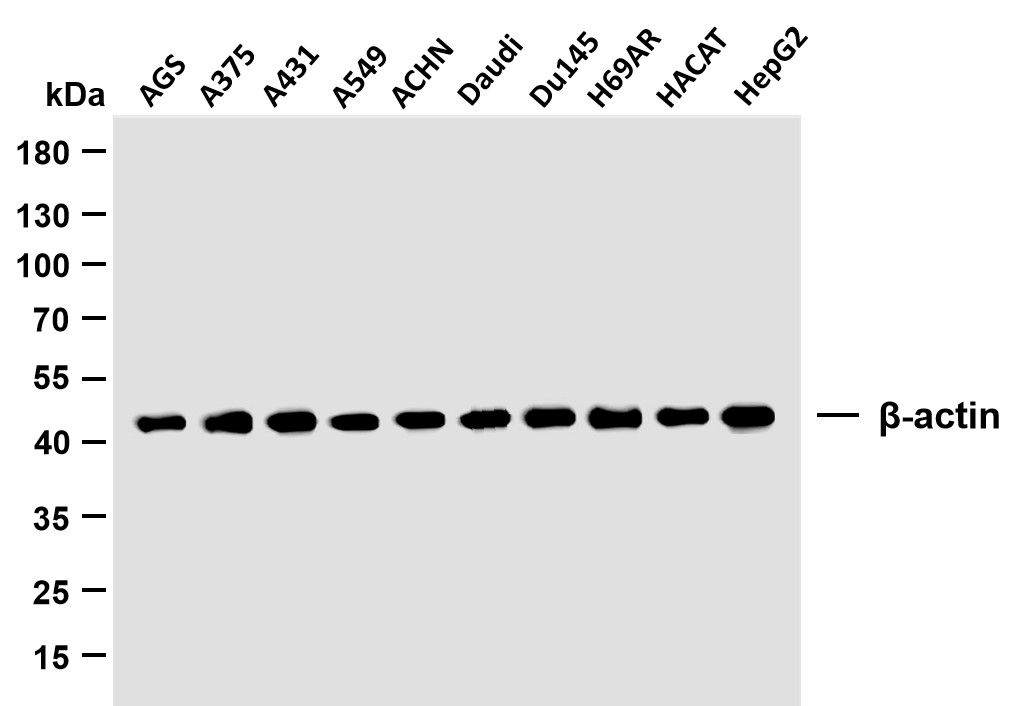
β-actin (PTR2364) Mouse mAb
YM3028
More→
Primary Antibodies
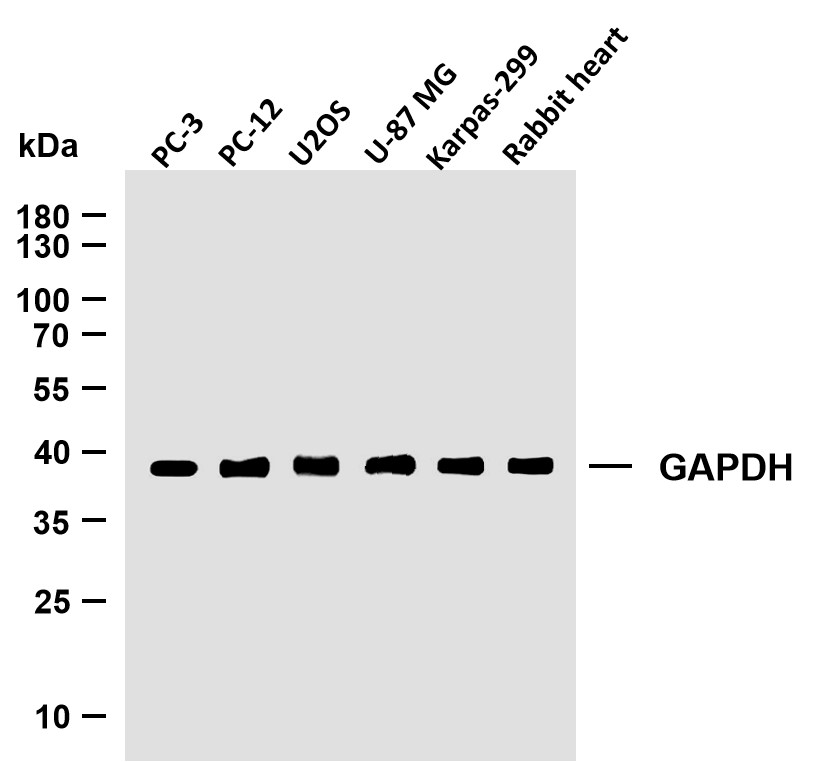
GAPDH (PTR2304) Mouse mAb
YM3029
More→
Antigen&Target Information
Immunogen:
The antiserum was produced against synthesized peptide derived from human Elk1 around the phosphorylation site of Thr417. AA range:379-428
show all
Specificity:
Phospho-Elk-1 (T417) Polyclonal Antibody detects endogenous levels of Elk-1 protein only when phosphorylated at T417.The name of modified sites may be influenced by many factors, such as species (the modified site was not originally found in human samples) and the change of protein sequence (the previous protein sequence is incomplete, and the protein sequence may be prolonged with the development of protein sequencing technology). When naming, we will use the "numbers" in historical reference to keep the sites consistent with the reports. The antibody binds to the following modification sequence (lowercase letters are modification sites):LStPV
show all
Gene Name:
ELK1
show all
Protein Name:
ETS domain-containing protein Elk-1
show all
Other Name:
ELK1 ;
ETS domain-containing protein Elk-1
ETS domain-containing protein Elk-1
show all
Background:
This gene is a member of the Ets family of transcription factors and of the ternary complex factor (TCF) subfamily. Proteins of the TCF subfamily form a ternary complex by binding to the the serum response factor and the serum response element in the promoter of the c-fos proto-oncogene. The protein encoded by this gene is a nuclear target for the ras-raf-MAPK signaling cascade. This gene produces multiple isoforms by using alternative translational start codons and by alternative splicing. Related pseudogenes have been identified on chromosomes 7 and 14. [provided by RefSeq, Mar 2012],
show all
Function:
Function:Stimulates transcription. Binds to purine-rich DNA sequences. Can form a ternary complex with the serum response factor and the ETS and SRF motifs of the fos serum response element.,PTM:On mitogenic stimulation, phosphorylated on C-terminal serine and threonine residues by MAPK1. Ser-383 and Ser-389 are the preferred sites for MAPK1. In vitro, phosphorylation by MAPK1 potentiates ternary complex formation with the serum responses factors, SRE and SRF. Phosphorylation leads to loss of sumoylation and restores transcriptional activator activity.,PTM:Sumoylation represses transcriptional activator activity as it results in recruitment of HDAC2 to target gene promoters which leads to decreased histone acetylation and reduced transactivator activity. It also regulates nuclear retention.,similarity:Belongs to the ETS family.,similarity:Contains 1 ETS DNA-binding domain.,subunit:Interacts in its sumoylated form with PIAS2/PIASX which enhances its transcriptional activator activity.,tissue specificity:Lung and testis.,
show all
Cellular Localization:
Nucleus.
show all
Tissue Expression:
show all
Research Areas:
>>MAPK signaling pathway ;
>>ErbB signaling pathway ;
>>Ras signaling pathway ;
>>Focal adhesion ;
>>Insulin signaling pathway ;
>>GnRH signaling pathway ;
>>Oxytocin signaling pathway ;
>>Leishmaniasis ;
>>Hepatitis B ;
>>Human cytomegalovirus infection ;
>>Human T-cell leukemia virus 1 infection ;
>>Pathways in cancer ;
>>Proteoglycans in cancer ;
>>Endometrial cancer ;
>>Hepatocellular carcinoma
>>ErbB signaling pathway ;
>>Ras signaling pathway ;
>>Focal adhesion ;
>>Insulin signaling pathway ;
>>GnRH signaling pathway ;
>>Oxytocin signaling pathway ;
>>Leishmaniasis ;
>>Hepatitis B ;
>>Human cytomegalovirus infection ;
>>Human T-cell leukemia virus 1 infection ;
>>Pathways in cancer ;
>>Proteoglycans in cancer ;
>>Endometrial cancer ;
>>Hepatocellular carcinoma
show all
Signaling Pathway
Cellular Processes >> Cellular community - eukaryotes >> Focal adhesion
Organismal Systems >> Endocrine system >> Insulin signaling pathway
Organismal Systems >> Endocrine system >> GnRH signaling pathway
Organismal Systems >> Endocrine system >> Oxytocin signaling pathway
Human Diseases >> Cancer: overview >> Pathways in cancer
Human Diseases >> Cancer: specific types >> Hepatocellular carcinoma
Human Diseases >> Cancer: specific types >> Endometrial cancer
Environmental Information Processing >> Signal transduction >> MAPK signaling pathway
Environmental Information Processing >> Signal transduction >> ErbB signaling pathway
Environmental Information Processing >> Signal transduction >> Ras signaling pathway
Reference Citation({{totalcount}})
Catalog: YP0097
Size
Price
Status
Qty.
200μL
$600.00
In stock
0
100μL
$340.00
In stock
0
50μL
$190.00
In stock
0
Add to cart
Collected
Collect
Recently Viewed Products
Clear allPRODUCTS
CUSTOMIZED
ABOUT US



Toggle night Mode
{{pinfoXq.title || ''}}
Catalog: {{pinfoXq.catalog || ''}}
Filter:
All
{{item.name}}
{{pinfo.title}}
-{{pinfo.catalog}}
Main Information
Target
{{pinfo.target}}
Reactivity
{{pinfo.react}}
Applications
{{pinfo.applicat}}
Conjugate/Modification
{{pinfo.coupling}}/{{pinfo.modific}}
MW (kDa)
{{pinfo.mwcalc}}
Host Species
{{pinfo.hostspec}}
Isotype
{{pinfo.isotype}}
Product {{index}}/{{pcount}}
Prev
Next
{{pvTitle}}
Scroll wheel zooms the picture
{{pvDescr}}